 DeepmindJun 15, 2026 13:25 UTC
Hollywood's Future Lies in Specialized Models, Not General-Purpose AI
While expectations grow that generative AI will revolutionize the film industry, there is virtually no AI-produced content that has actually reached commercial standards. As the limitations of approaches using general-purpose models become clear, attention is turning to efforts to build specialized models trained on production-project-specific data, such as custom-building Google's Veo and Imagen. A growing industry recognition is emerging that Hollywood's success with AI depends not on reliance on general-purpose tools, but on investment capacity in developing proprietary custom models.
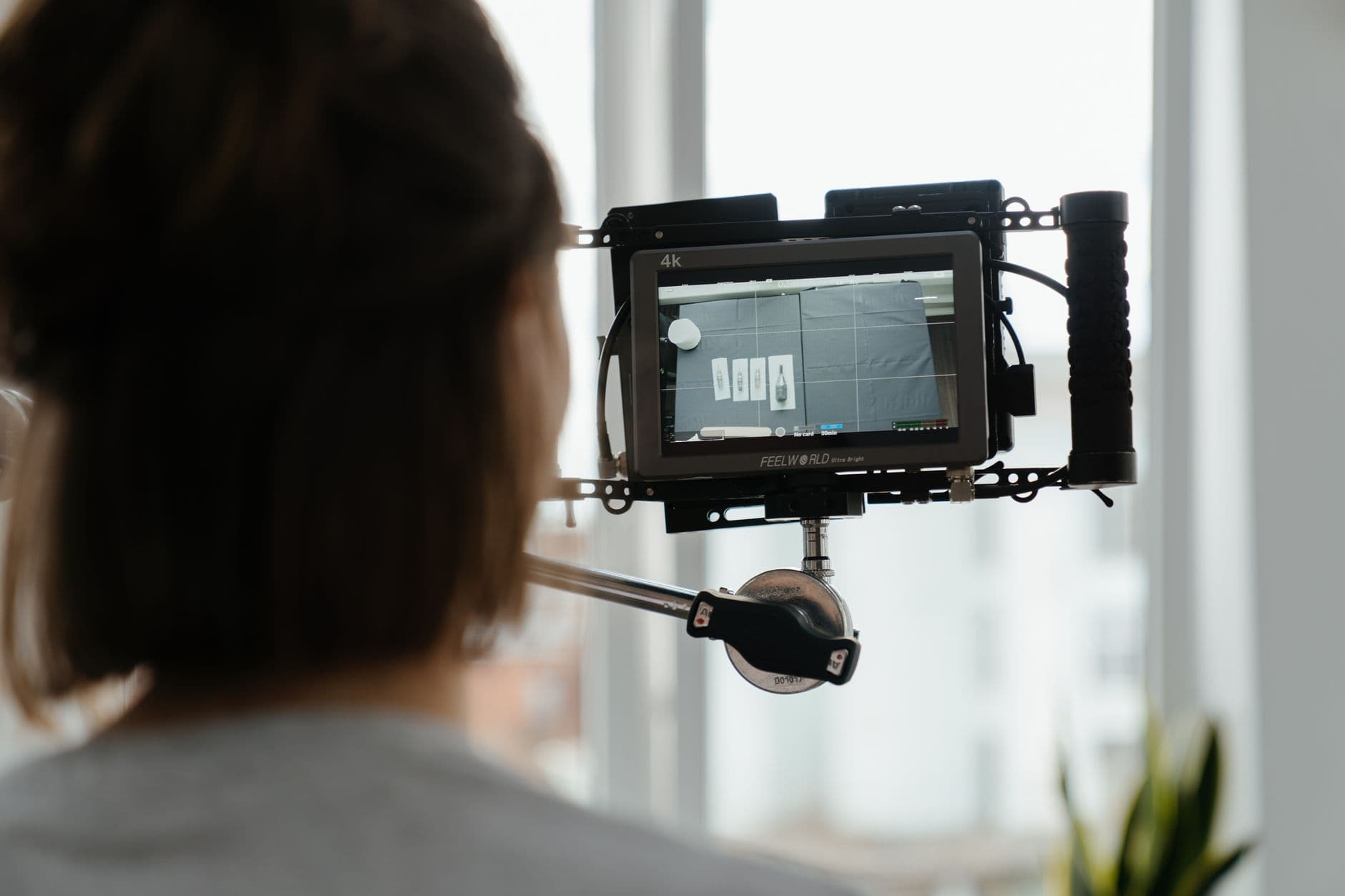
While expectations grow that generative AI will revolutionize the film industry, there is virtually no AI-produced content that people would actually be willing to pay to watch. The video generation models of major AI companies are limited to outputting short, visually inconsistent footage, and some of the large-scale AI partnerships being pursued between Hollywood and Silicon Valley are suddenly collapsing. Currently, what major productions can utilize is largely limited to short-form, low-quality video content.
Behind this situation lies the fundamental limitation of the approach of converting general-purpose generative AI models directly for video production. In the production of films and television dramas, consistency of specific characters, artistic styles, and world-building is essential, and a simple operation of "enter a prompt and you're done" falls far short of the quality standards that professional creators demand. A growing recognition among industry stakeholders is that the true shortcut to meaningful AI adoption lies in moving away from dependence on general-purpose models and building and utilizing models customized for each production project.
A specific example attracting attention is Google's custom-built video generation model 'Veo' and image generation model 'Imagen' project. Google DeepMind is experimenting with an approach that uses concept art from the short film 'Dear Upstairs Neighbors' as training data, embedding the work's unique visual style into the model. These efforts demonstrate the potential of a new pipeline—nurturing custom models that reflect the tone and aesthetics of the production, rather than simply using off-the-shelf AI tools.
This trend carries significant implications for the industry. For studios and production companies, the ability to invest not only in AI tool selection and implementation costs but also in fine-tuning with proprietary data and developing and operating custom models is becoming the key differentiator for AI success. Meanwhile, for technology companies providing general-purpose AI platforms, the competitive axis is shifting to how well they can establish enterprise customization infrastructure and meet the demanding standards of creative industries.
The answer to whether generative AI can truly create 'content that captivates audiences' remains unclear. However, the direction that the key to achieving this lies not in 'prompting general-purpose models' but in 'building specialized models rooted in production workflows' is becoming increasingly evident. Going forward, the industry focus will likely be on which studio or production company can first establish a proprietary custom AI pipeline.
This article is an original work independently written and edited by the AI issue editorial team based on factual reporting. © AI issue. Unauthorized reproduction, redistribution, or use for AI training is prohibited.