 OpenAINov 4, 2026 01:23 UTC
OpenAI, AI Completes Hardware Design in One Week
OpenAI's hardware team used the AI model "GPT-6 Astra" to design a hardware device for the company's coding agent "Codex" in less than one week. AI handled all processes from enclosure to circuit boards and firmware, though some gaps in addressing manufacturing tolerances required multiple revisions before mass production. The company also revealed the existence of a newer in-house model with higher performance, though details remain undisclosed.
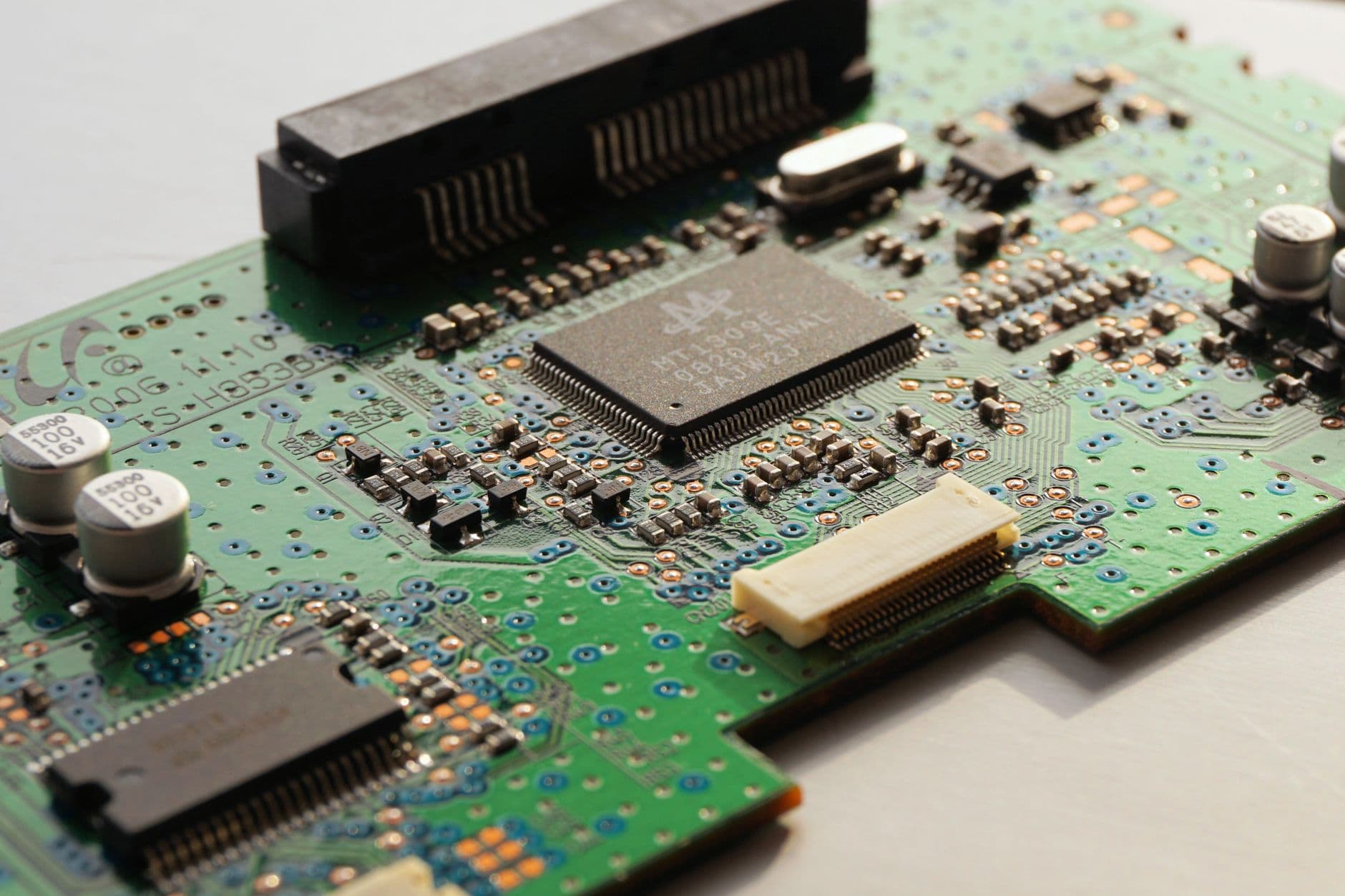
OpenAI's hardware team designed a hardware device in less than one week using the AI model "GPT-6 Astra." The device was designed for the company's coding agent "Codex," with AI handling all processes from enclosure to circuit boards and firmware (control programs that operate the device).
Traditionally, hardware design has involved specialists from each field collaborating over weeks to months. The fact that AI comprehensively managed this process in just one week represents a significant case study demonstrating that AI application is expanding beyond software development into the realm of physical product design.
However, the process was not entirely smooth. Multiple revisions were required before entering the manufacturing stage. The issue stemmed from the model's inability to consistently and accurately account for manufacturing tolerances (acceptable error margins in component dimensions). While the design was technically sound, fine adjustments tailored to the actual manufacturing process were necessary.
Additionally, OpenAI revealed that it is currently developing a newer in-house model beyond GPT-6 Astra, which achieves higher scores on the company's proprietary engineering benchmark (performance evaluation metrics). However, details of this model remain undisclosed at this time.
What this case demonstrates is a shift where AI is not merely "thinking" but is approaching the stage of producing concrete physical products through hands-on work. Unlike software development, which involves writing and testing code, hardware design must contend with physical manufacturing constraints. The challenge of AI failing to fully account for these constraints in this instance offers important insights into what must be addressed when integrating AI into engineering workflows.
Autonomous engineering utilizing AI, or design support through so-called "AI agents," is rapidly being put into practical use in the software domain. Should a similar trend emerge in the hardware field, there is potential for significant shortening of design and prototyping cycles, while simultaneously raising the question of how to ensure manufacturing quality. Going forward, the "form of human-AI collaboration" regarding how to verify and correct designs produced by AI will become a critical issue.
OpenAI continues to validate model practicality through internal use cases while advancing next-generation model development in parallel. How autonomously AI can handle design processes and how to enhance its accuracy and reliability are among the topics commanding attention across the entire AI industry.
This article is an original work independently written and edited by the AI issue editorial team based on factual reporting. © AI issue. Unauthorized reproduction, redistribution, or use for AI training is prohibited.