Physical AI Transitions to Practical Deployment Phase
Discussion surrounding Physical AI—AI systems and autonomous robots operating in physical spaces—is transitioning from technology demonstration stages to practical commercial deployment in real-world environments. Expanded investment, progress in safety measures, and improved performance of next-generation AI models are driving this shift, marking the beginning of full-scale implementation across diverse industrial sectors including manufacturing, logistics, and healthcare.
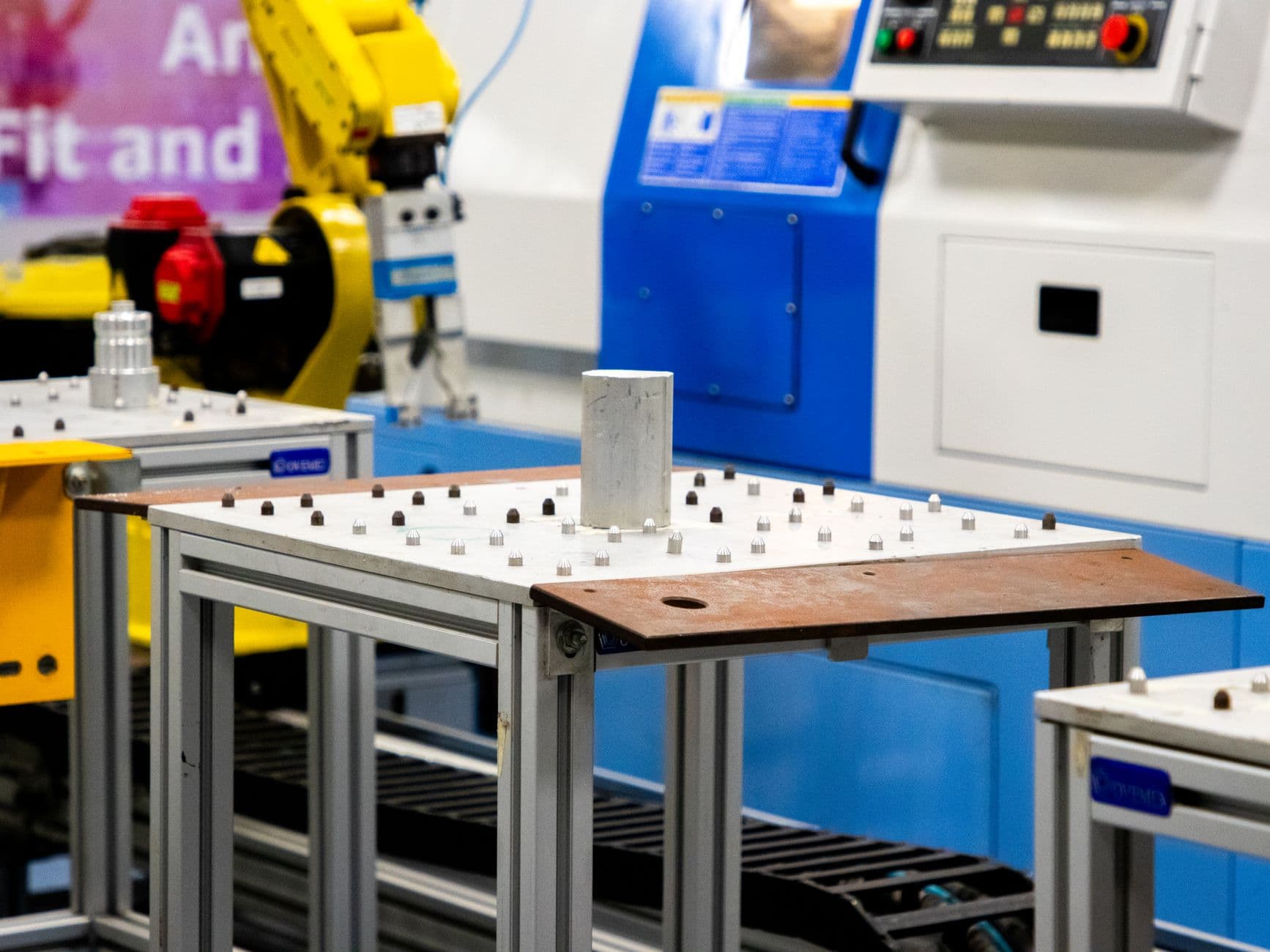
From robot demonstrations to implementation in real-world settings. The focus of discussion surrounding Physical AI—AI systems and autonomous robots operating in physical spaces—is shifting from presenting technical possibilities to actual commercial deployment. Investment trends, safety measures, and developments in next-generation AI models are driving this transformation.
Physical AI refers to AI systems that not only handle text and images but also make decisions and take actions in physical spaces through sensors and actuators. Representative applications include factory automation lines, autonomous vehicles, delivery robots, and care support devices. While most of these technologies have previously remained within research facilities and trade shows, there is now an acceleration toward operations in actual business environments.
One factor supporting this shift is expanded investment. Capital inflow into the Physical AI and robotics sectors shows an upward trend, with involvement deepening not only from startups but also from major technology companies and manufacturers. The fact that investor interest is turning from simple technology demonstration to building monetization models indicates that the industry's overall maturity has advanced to a new level.
Safety efforts are also becoming a crucial condition for the transition to commercialization. For autonomous systems to enter actual human living and working spaces, more than technical performance is required—the ability to respond to unexpected situations and clarity regarding liability in case of accidents are essential. The fact that regulatory authorities and industry organizations across countries are advancing the development of guidelines demonstrates that safety requirements are now recognized as practical issues.
The evolution of next-generation AI models also accelerates Physical AI deployment. To recognize physical environments and plan and execute complex actions, models that excel not only in language processing but also in spatial recognition and long-term action planning are necessary. The performance improvements in multimodal models—which integrate and process multiple types of information including text, images, and sensor data—make versatile operations in real-world spaces increasingly feasible from a technological standpoint.
The commercialization of Physical AI may bring structural changes to industries. As automation progresses in manufacturing, logistics, healthcare, medical care, agriculture, and other labor-intensive sectors, discussions about employment practices will deepen alongside productivity improvements. The perspective of considering both technological benefits and social impacts in parallel will become increasingly important going forward.
As the shift from demonstration to implementation accelerates, several key points warrant attention. How operational data from real-world settings translates into model improvements, at what pace safety standards and regulations keep up, and whether cost competitiveness can be established are critical questions. The commercial phase of Physical AI has only just begun, and tracking simultaneously the developments in technology, investment, and regulatory frameworks is essential to understanding this field.
This article is an original work independently written and edited by the AI issue editorial team based on factual reporting. © AI issue. Unauthorized reproduction, redistribution, or use for AI training is prohibited.