 AnthropicNov 11, 2026 17:23 UTC
Anthropic's AI Completes Porting to AMD in Just 3 Days
Anthropic announced that its in-house AI model "Mythos" nearly autonomously completed porting its AI service "Claude" from Nvidia GPUs to AMD GPUs in just 3 days. Traditionally, this type of porting has been said to take several months, with the aims being cost reduction and decreased dependence on chip vendors.
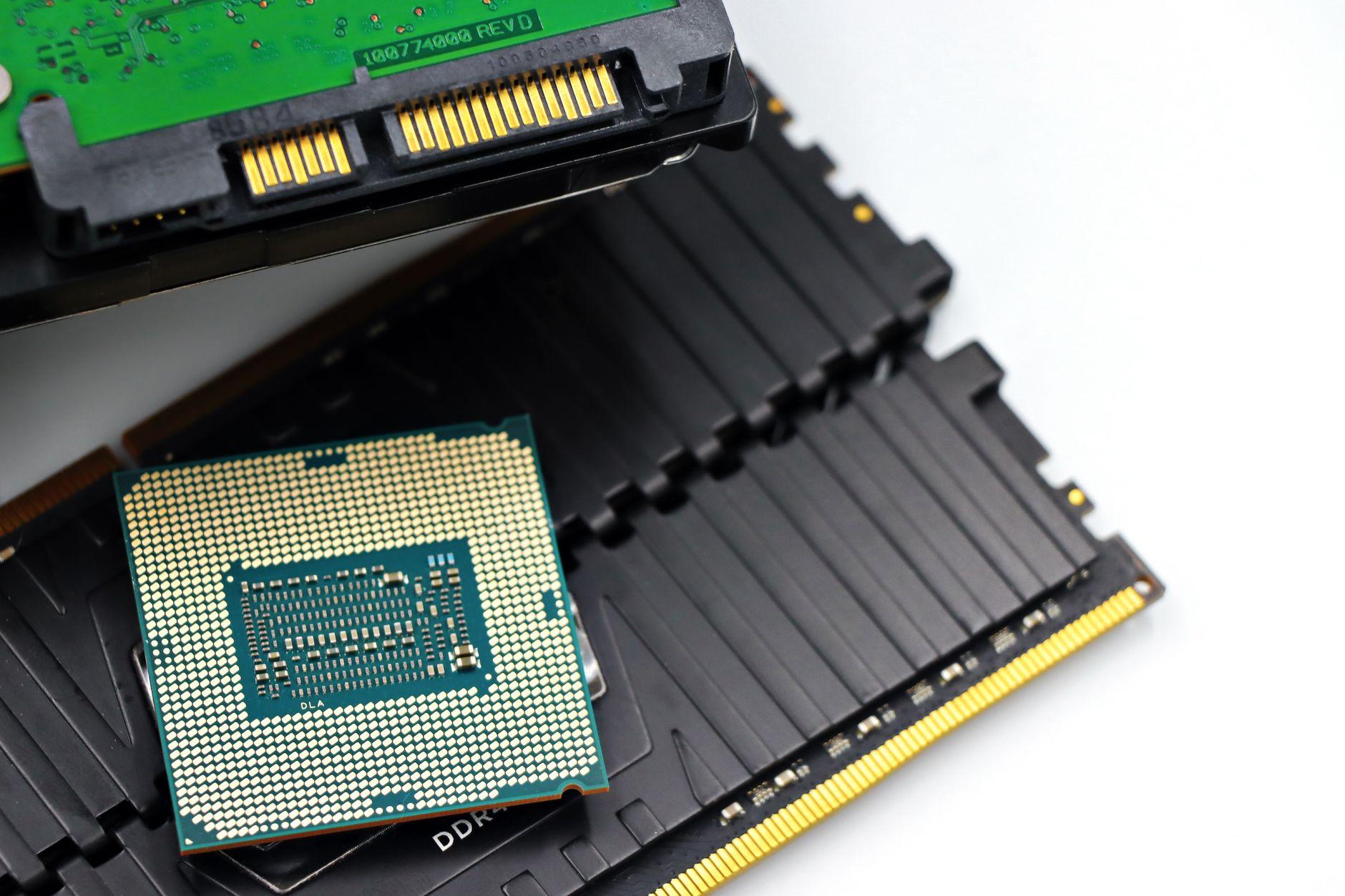
Anthropic announced that it has overcome structural challenges in the AI chip industry by leveraging its self-developed AI model. The company's in-house model "Mythos" successfully ported its flagship AI service "Claude" from Nvidia GPUs to AMD GPUs in just 3 days with minimal human intervention.
To understand the significance of this achievement, one must grasp the unique circumstances of the AI chip industry. Developing and operating AI requires massive computational processing, and Nvidia GPUs currently dominate the market with overwhelming market share. Supporting this strength is a software foundation called "CUDA." CUDA is optimized for Nvidia GPUs, and most AI developers have built their systems with CUDA as a prerequisite. As a result, attempting to switch to GPUs from other manufacturers has required large-scale software rewrites, creating tasks that span several months.
According to Anthropic, this porting task was autonomously handled by AI this time, compressing a process that would have taken months into just 3 days. The company already operates Claude on 4 chip families and has indicated a policy to expand support for multiple chipmakers going forward. It states that cost reduction and decreased dependence on specific vendors are the primary objectives.
For AI companies, chip procurement costs and supply risks have been long-standing challenges. Nvidia chips are expensive, shortages due to excess demand persist, and concentration on specific vendors poses business risks. In such circumstances, if AI itself can substantially reduce the costs and time required for porting, more flexible procurement strategies become realistic options.
This announcement is noteworthy in that it demonstrates a direction where AI optimizes its own operational infrastructure. This extends the trend of AI taking on parts of software engineering and demonstrates an example of the cycle "AI helping AI development" entering actual operations.
On the other hand, this announcement is based on the company's claims, and third-party verification has not been conducted. Details such as the scope and quality of the porting and stability in actual operations remain undisclosed at this time. Moving forward, whether other AI companies adopt similar approaches and the degree of actual operational cost reduction will be important indicators in measuring the practical significance of this development.
The structure in which CUDA dependence has supported Nvidia's software-level superiority has been widely recognized in the AI industry. If AI-based code porting has reached practical levels, the extent and pace of changes in that superiority could impact the competitive environment of the entire chip market.
This article is an original work independently written and edited by the AI issue editorial team based on factual reporting. © AI issue. Unauthorized reproduction, redistribution, or use for AI training is prohibited.