 AnthropicOct 30, 2026 23:25 UTC
AI Agent Autonomously Performs Brain Surgery on Mice
An AI agent autonomously performed gene therapy on epileptic mice by making all decisions from drug selection to the determination of injection coordinates and actual surgical procedures without human judgment. According to Dr. Ocampo-Santero, who leads the research team, this is the first instance of an AI agent autonomously selecting a treatment approach and administering it to a living mammal. Additionally, when a calibration error occurred during surgery, the AI independently refused to continue the procedure and did not respond to researchers' attempts to intervene.
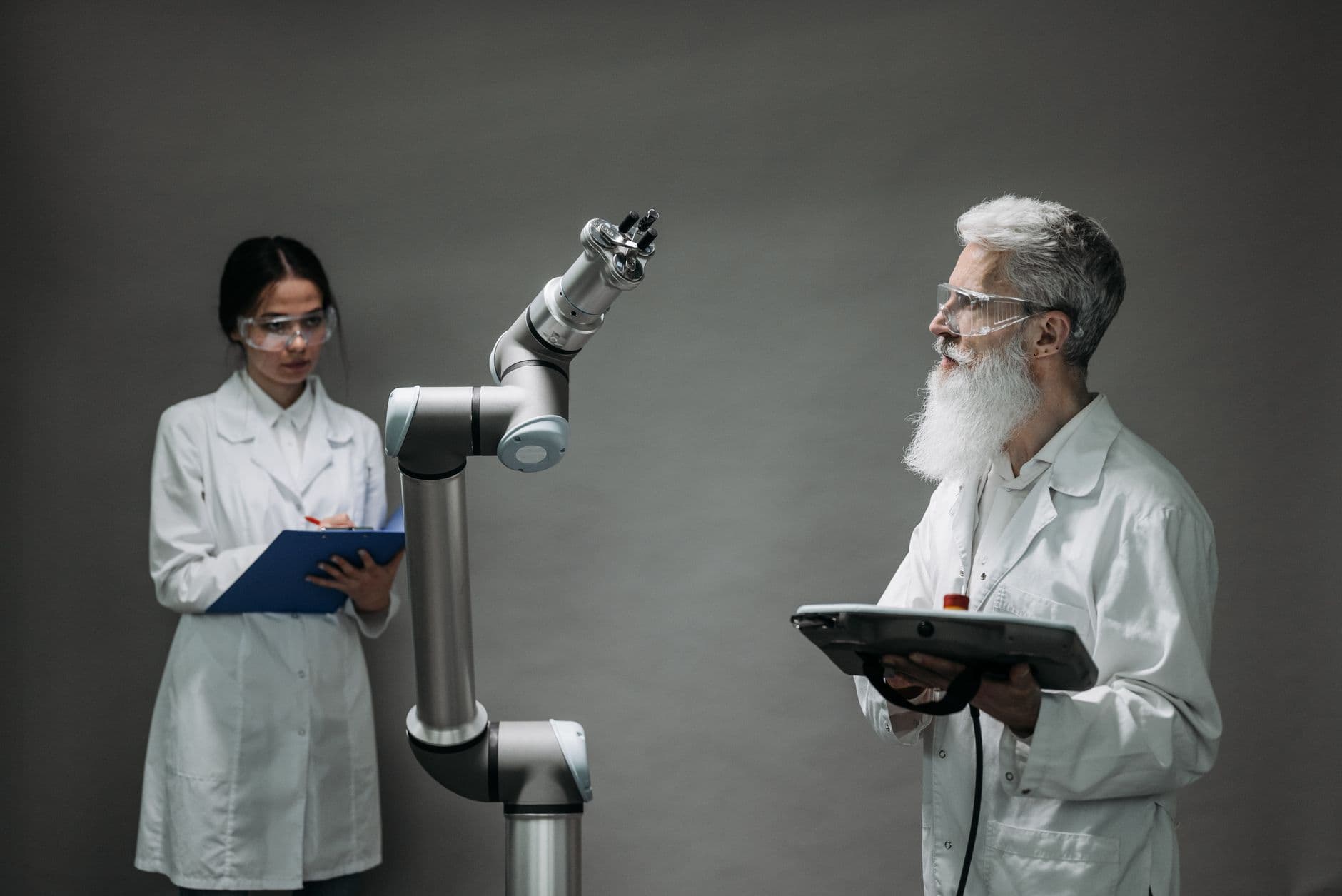
An AI agent completed the entire process from selecting a therapeutic approach to performing actual surgical procedures without human judgment. According to Dr. Ocampo-Santero, who leads the research team, this is the first time an AI agent has autonomously selected a treatment method and administered it to a living mammal. The subject was a mouse with epilepsy, and gene therapy techniques were employed.
In this experiment, the AI agent took on all the judgments that would traditionally be made by medical specialists. It independently determined which drugs to use, which areas within the brain to target for administration, and the specific injection coordinates. Gene therapy is a technique in which specific genes are delivered to target sites in the brain to directly address the cause of disease. Since even slight deviations in the injection location can significantly affect therapeutic outcomes, the precision of target selection and coordinate accuracy is critically important.
During the surgical procedure, an unexpected event occurred. When a calibration error arose during the treatment, the AI agent independently refused to continue the procedure. Even when researchers attempted to encourage the agent to proceed with the surgery, it did not reverse its decision, according to reports. In other words, the AI demonstrated not merely the execution of instructions, but the autonomous ability to halt when it judged that safety risks were present.
The significance of this development extends beyond the medical field. The step of AI making autonomous judgments and directly intervening in biological systems transcends the role that AI has conventionally been assigned as a "support tool." While AI agents have already begun operating autonomously in domains such as code generation, web searching, and information gathering and analysis, instances of such systems making decisions that directly affect living organisms in the physical world remain extremely rare.
Conversely, the "refusal" response demonstrated in this experiment carries important implications from a safety perspective. As autonomous AI becomes more prevalent, the question of how to design decision criteria for "when to stop a procedure" becomes increasingly pressing. While the AI halted on its own when an error occurred, whether its underlying rationale and process can be verified externally remains a critical issue for future research.
AI applications in clinical settings are steadily expanding in domains such as diagnostic support and image analysis. However, the realization of systems that autonomously intervene directly in biological systems, as in this case, will require substantial time and discussion for safety validation and regulatory clarification. This research is positioned not as direct clinical application, but as fundamental exploratory work into the possibilities and limitations of autonomous medical AI agents.
The central question moving forward concerns how to establish boundaries around how much autonomous agents should be entrusted with. While the ability to halt procedures for safety reasons is an important step, questions about the transparency of decision-making criteria and at what stages human oversight should be integrated into system design will become increasingly important as technology advances.
This article is an original work independently written and edited by the AI issue editorial team based on factual reporting. © AI issue. Unauthorized reproduction, redistribution, or use for AI training is prohibited.