 NVIDIAAug 23, 2026 01:20 UTC
NVIDIA's SONIC Integrates Humanoid Motion Control
NVIDIA has developed an artificial intelligence model called 'SONIC' that can comprehensively manage motion control for humanoid robots. This model learns robot movements by combining real-time demonstration data from human motion with accumulated training data, providing an environment where operators can handle humanoid motion generation through a single integrated platform.
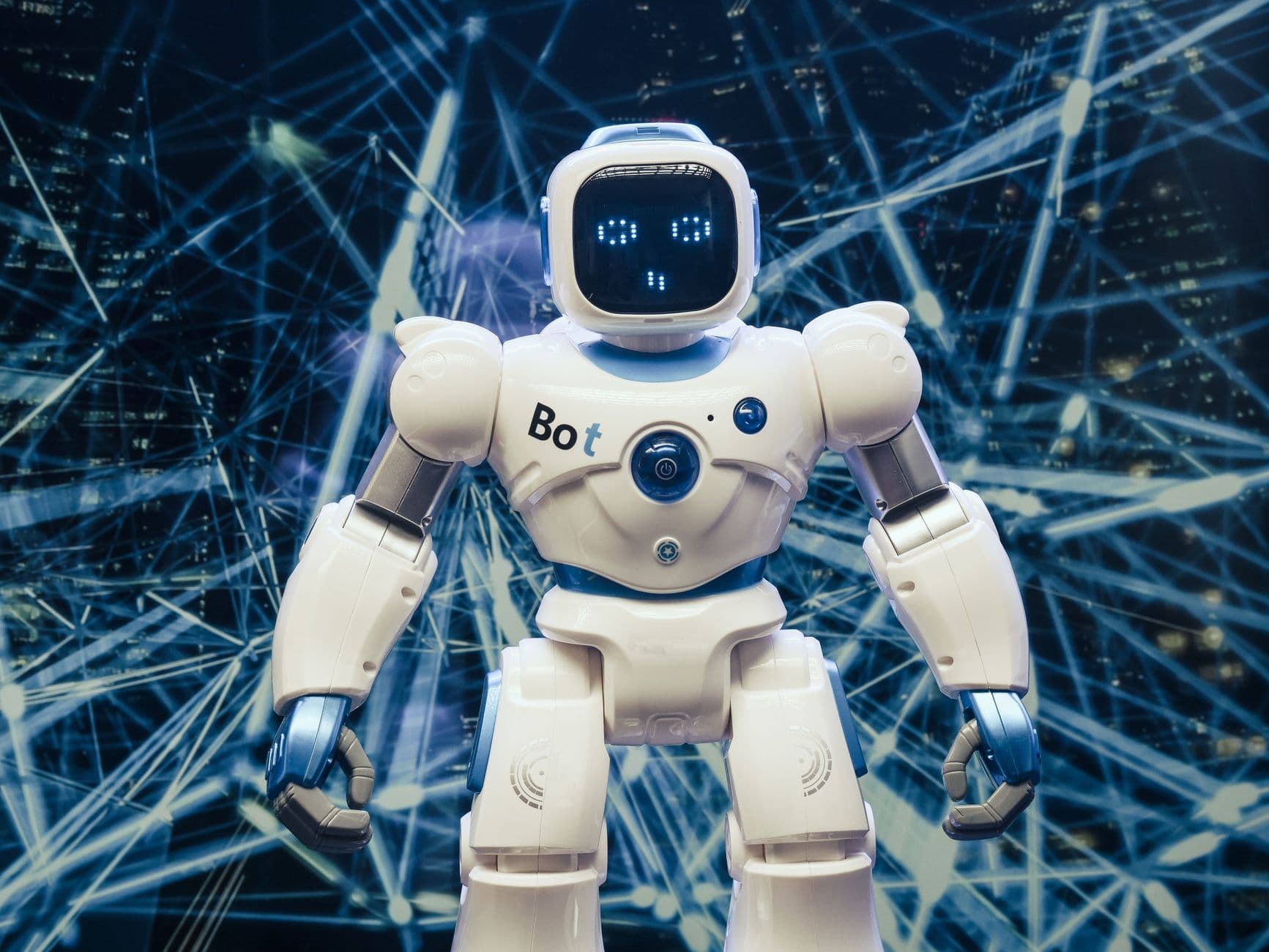
NVIDIA has developed the model 'SONIC' that comprehensively handles motion generation for humanoid robots. This model combines real-time demonstration data of human motion with accumulated training data, enabling robots to acquire natural movements. The distinguishing feature for operators is that the model provides a 'one-stop' environment where multiple processes related to motion control can be completed within a single system.
In humanoid robot research, the 'naturalness of motion' has long been a major challenge. Human movement is extremely complex, and it is nearly impossible to write all rules through simple programming. As a result, recent approaches increasingly employ 'learning-based' methods in which artificial intelligence learns large amounts of data to acquire motion patterns. SONIC follows this trend while incorporating real-time demonstrations where humans actually show their movements into the learning process, making it a design more suited to practical applications.
The core of SONIC's mechanism is its ability to capture human motion in real-time and immediately utilize it as learning data. Traditional methods often separated data collection, processing, and learning into distinct stages, which was time-consuming and costly. SONIC integrates these processes, allowing operators to manage humanoid motion control through a single platform.
The attention this initiative receives is driven by increased industrial interest in the humanoid robot market. Demand for robots capable of working in the same space as humans continues to expand across sectors such as manufacturing, logistics, and care services, and the 'versatility of motion' in robots capable of meeting these needs is seen as critical. NVIDIA has been steadily focused on developing artificial intelligence platforms for robotics, and SONIC is positioned as part of this effort.
The design of handling motion control in a one-stop manner is also important in terms of reducing the burden on developers and operators. While humanoid motion development has traditionally required specialized knowledge and a combination of multiple tools, an integrated system could make it easier for a broader range of developers to participate in robot control. This 'lowering of entry barriers' could be a factor in accelerating development speed across the entire robotics field.
Future points of interest include what types and levels of difficulty of motion SONIC can handle, and how it will be utilized in actual industrial sites and research institutions. The approach of leveraging real-time human demonstrations in learning enhances the flexibility of data collection, though results could be influenced by the quality of demonstrations and the environment. How NVIDIA deploys this technology externally and expands the ecosystem will become a key focus going forward.
This article is an original work independently written and edited by the AI issue editorial team based on factual reporting. © AI issue. Unauthorized reproduction, redistribution, or use for AI training is prohibited.