 BaiduNov 8, 2026 17:21 UTC
Baidu Trains World Model Using Robotaxi Data
Chinese tech giant Baidu has developed a new world model by leveraging millions of miles of driving data from its autonomous robotaxi service 'Apollo Go'. A world model is a technology that enables AI to internally simulate the physical movements and dynamics of the real world, serving as a core technology in autonomous driving and physical AI. As the utilization of real-world driving data becomes a source of competitive advantage in technology development, Baidu's efforts are drawing attention as a significant trend in the physical AI sector.
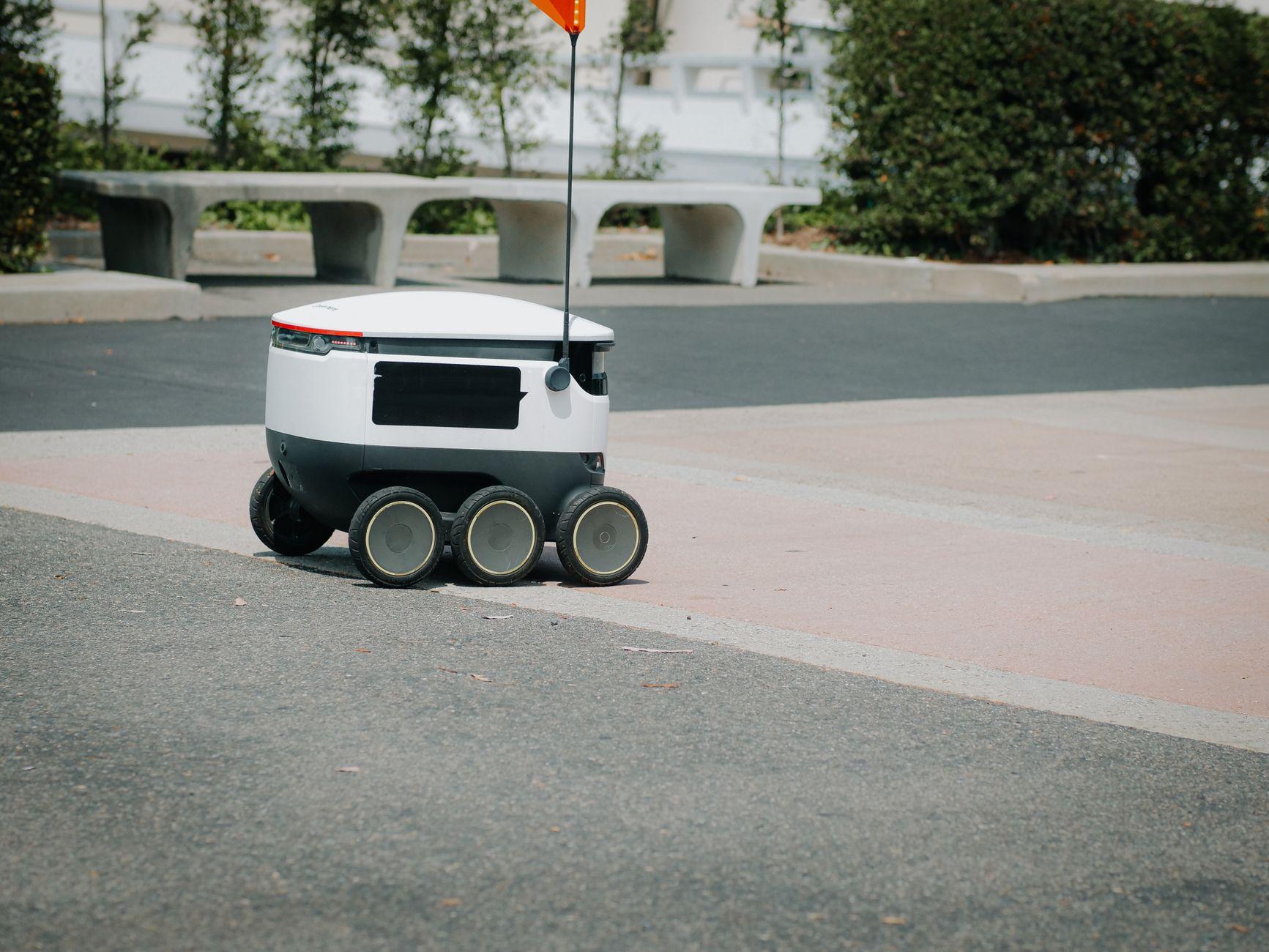
Chinese tech giant Baidu has developed a new 'world model' by leveraging driving data from its autonomous robotaxi service, Apollo Go. A world model is a model trained to enable AI to internally simulate the physical laws and spatial changes of the real world, and is positioned as a core technology in the field of autonomous driving and what is known as physical AI.
Apollo Go is an autonomous taxi service operated by Baidu in China, and data from millions of miles of actual fleet operations has been used for this model training. The driving data contains large volumes of physical information from the real world, including vehicle movements, environmental changes, and road conditions. Unlike artificially synthesized data, such real-world driving data reflects the complexity of actual situations and is believed to directly impact model accuracy.
The concept of a world model aims to give AI not only the ability to recognize images or text, but also the capability to predict and simulate 'what will happen next'. If AI can internally reproduce physical causal relationships such as how an automobile will move at an intersection or how a person will behave on a sidewalk, the decision accuracy of autonomous driving is expected to improve significantly. For Baidu, the operational track record accumulated through Apollo Go directly becomes an asset for technology development.
On the other hand, developing physical AI presents unique challenges. Real-world data is diverse and contains unpredictable events, so even with massive amounts of data collection, 'unhandled situations' are likely to arise. Additionally, if the data used for training is biased toward certain regions or environments, generalization to different environments may decrease. The extent to which this model overcomes such challenges awaits future validation.
In the autonomous driving field, Tesla is known to take a similar approach for its 'Full Self-Driving (FSD)' development, advancing world model-like learning using driving data collected from actual vehicles. Baidu similarly adopts a strategy that integrates commercial service operations with technology development, and the accumulation of real-world driving data is increasingly becoming a source of competitive advantage.
This movement demonstrates that AI development is expanding from the realm of 'software handling language and images' to 'physical AI' that understands and manipulates the physically real world. Efforts to embed AI in systems that operate in real space—autonomous vehicles, robots, manufacturing lines—are accelerating across companies, and competition in developing world models that form the foundation for such systems is expected to intensify further. Attention is focused on how well Baidu achieves generalization and accuracy, and on the trajectory of external disclosure and practical deployment.
This article is an original work independently written and edited by the AI issue editorial team based on factual reporting. © AI issue. Unauthorized reproduction, redistribution, or use for AI training is prohibited.