US EV Fast Charging Speed and Reliability Improve
Data from a 960-kilometer road trip conducted in the United States demonstrates that DC fast charging speed and reliability have significantly improved compared to the past. Traditional challenges such as charger failures and wait times have decreased, confirming the growing practicality of long-distance EV travel.
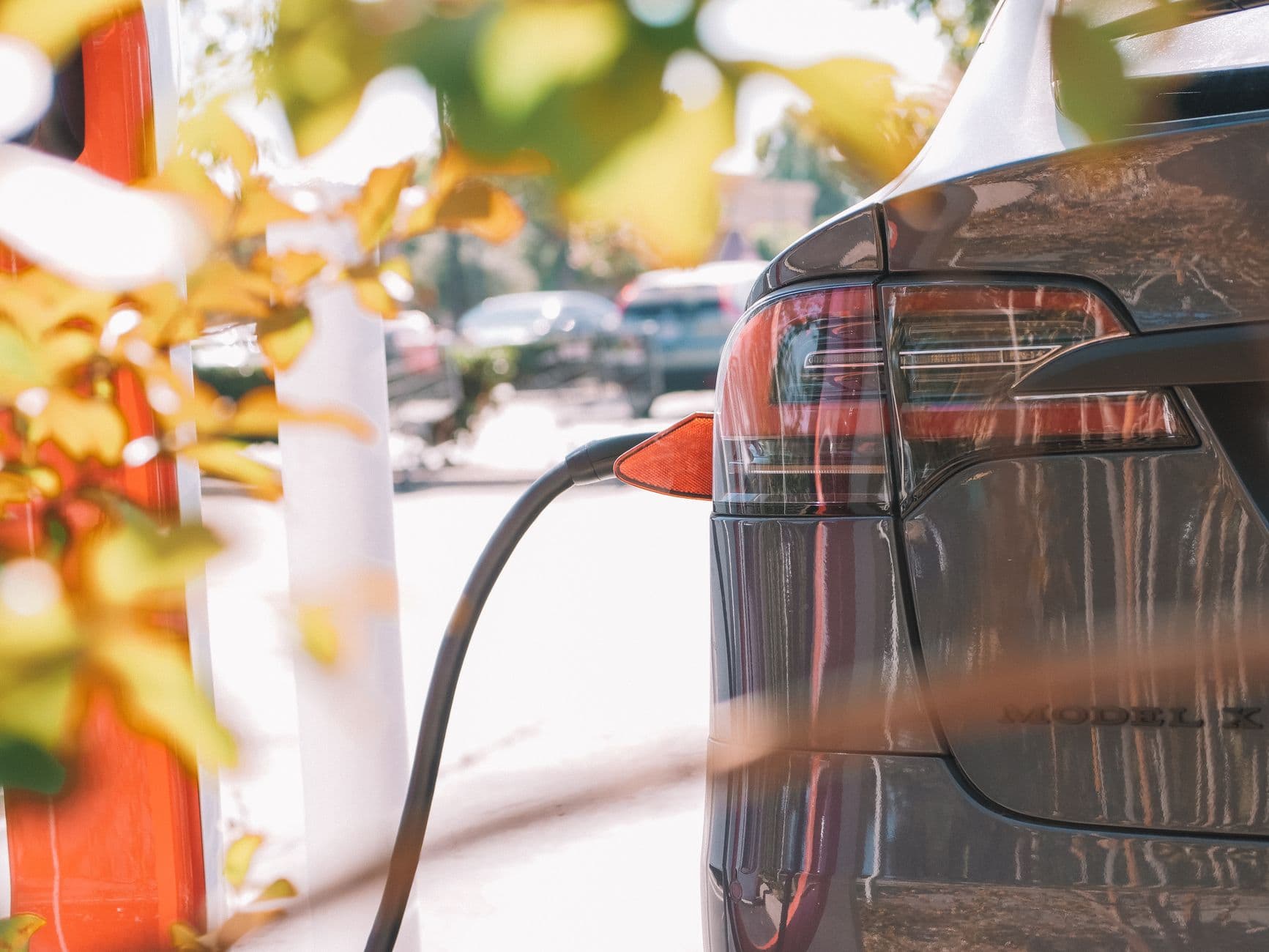
Long-distance EV (electric vehicle) driving in the United States is becoming significantly more comfortable than before. Data from an actual road trip specifically demonstrated improvements in the nation's DC fast charging infrastructure. Throughout a journey covering approximately 960 kilometers (600 miles) in distance, it was confirmed that charging time and the frequency of charger unavailability issues had substantially improved compared to past experiences.
DC fast charging refers to a method using dedicated chargers that differ from household outlets to charge batteries in a short time. In the early stages of EV adoption, the number of these chargers was limited, and problems such as encountering broken equipment or experiencing long wait times were frequently reported. Concerns about charging infrastructure, alongside range anxiety, have been regarded as a major reason for EV avoidance, and the view that delayed improvements would hinder EV adoption has been deeply entrenched.
In this road trip, the proportion of chargers that could be used without waiting at each charge was high, and charging speed itself was recorded as faster compared to the past. In particular, situations where "the charger was broken and unusable" used to occur frequently, but such instances have significantly decreased. The charging experience throughout the journey was recorded as having proceeded at a pace close to refueling a gasoline vehicle.
Behind this change is an expansion of investment in charging networks within the United States. Federal government-level infrastructure support and successive entries and partnerships by automobile manufacturers in charging networks are driving increases in the absolute number of chargers and improvements in management and maintenance standards. Meanwhile, disparities in infrastructure density between urban and rural areas continue to present challenges, and the situation has not yet reached a state where similar experiences are available in all regions.
The improvement in charging infrastructure reliability is important because it directly impacts EV selection decisions. Even if vehicle performance and pricing improve, a psychological barrier of "what if I can't charge" remains, and a certain percentage of consumers will hesitate to purchase. Data based on actual experiences like this is positioned as evidence that this barrier is actually lowering.
What will be noteworthy going forward is whether improvements remain limited to certain major trunk routes or expand to broader regions and living areas. It can be said that charging infrastructure is entering a stage where not only "quantity" but also "quality" and "distribution" are at issue. As society moves toward a state where EVs are naturally used as everyday means of transportation, continued verification through real data is needed to see how well infrastructure development is keeping pace.
This article is an original work independently written and edited by the AI issue editorial team based on factual reporting. © AI issue. Unauthorized reproduction, redistribution, or use for AI training is prohibited.