Nuclear Fusion Startups Raise Cumulative $7.1 Billion in Funding
Nuclear fusion energy startups have raised a total of $7.1 billion in funding to date. The majority of this funding is concentrated among a small number of large companies, with those having raised over $100 million leading the entire sector. While private capital continues to flow in due to climate change mitigation efforts and growing electricity demand, significant technological and financial challenges remain for the commercialization of nuclear fusion.
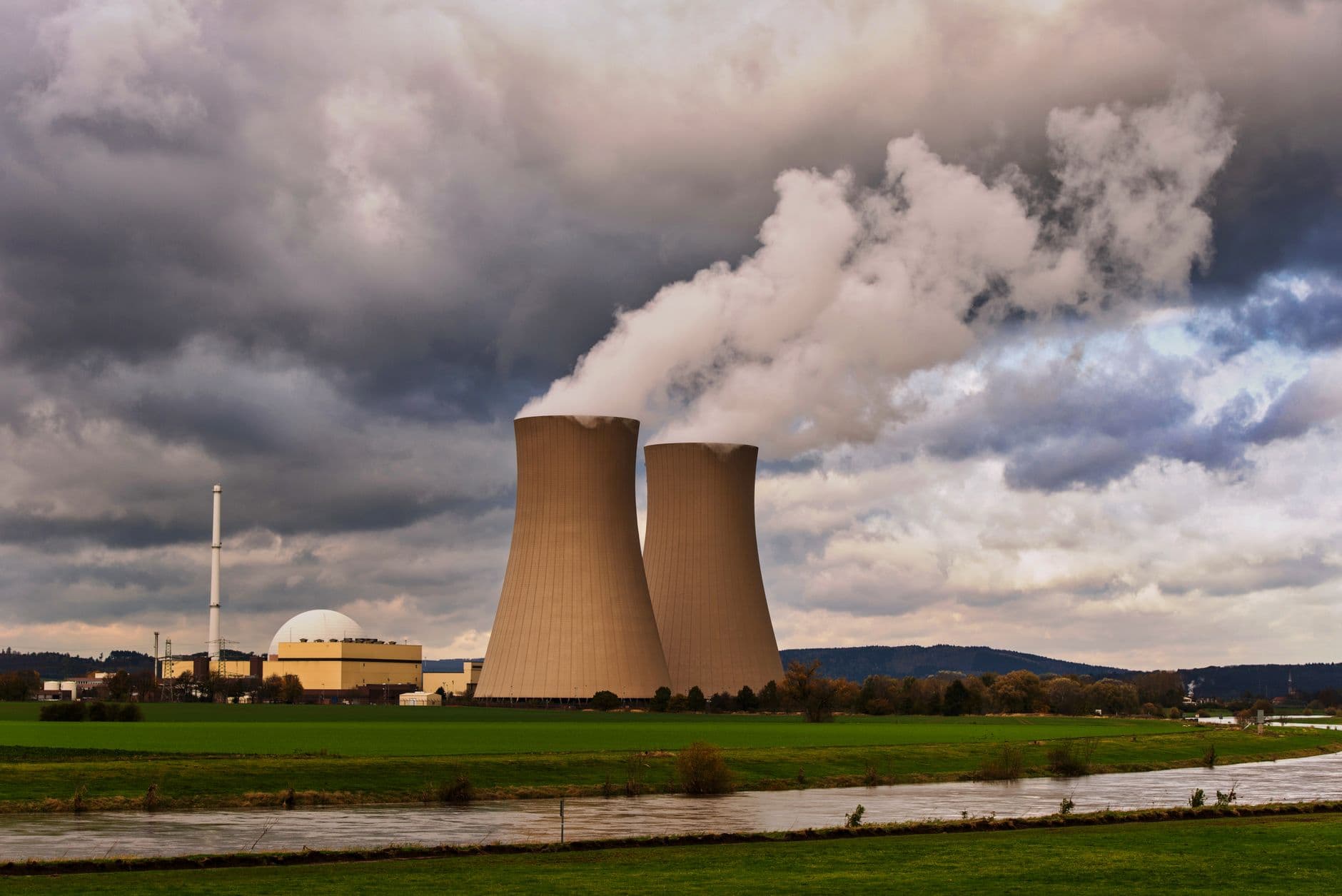
Nuclear fusion energy startups have raised a cumulative total of $7.1 billion in funding to date. However, the majority of this funding is concentrated among a small number of companies, and there is a significant disparity in how capital is distributed across the sector.
Nuclear fusion is a technology that extracts energy by fusing light atomic nuclei such as hydrogen at high temperatures and high pressures, operating on the same principle that makes the sun shine. The fuel, deuterium, can be obtained from seawater, and because no carbon dioxide is emitted during power generation, it has long been researched as "the dream energy source." However, because investment returns take a long time to materialize and commercialization prospects are difficult to establish, significant private capital inflow is a relatively recent phenomenon.
Multiple companies have raised more than $100 million and account for the majority of funding in the sector. These companies that have achieved large-scale fundraising are pursuing the miniaturization and commercialization of nuclear fusion reactors through their own approaches, following a privately-led path distinct from traditional large-scale international projects such as ITER, currently under construction in France.
From the perspective of private investment in the energy sector, nuclear fusion occupies a unique position. While renewable energy sources such as solar and wind power have already achieved significant commercialization, nuclear fusion has yet to reach the stage where "the electricity generated consistently exceeds the energy input." Despite this, the reason such substantial private capital has accumulated can be understood as follows: climate change mitigation has increased demand for decarbonized energy sources, and rapid growth in electricity demand from AI data centers and similar facilities is anticipated.
The concentration of capital reflects the competitive environment among nuclear fusion startups. The amount of funding raised directly correlates with the pace of research and development and ability to acquire talent, creating a situation where technology and resource gaps tend to widen between companies that have achieved large-scale fundraising and those that have not. While the sector has accumulated a total of $7.1 billion, realizing a commercial reactor requires massive additional investment and overcoming significant technological barriers. At this stage, such investment can be characterized as "a major bet on possibility."
The key point to watch going forward is when companies that have already achieved large-scale funding can reach technological milestones such as sustained "ignition" or connection to the power grid. If concrete results are achieved, the next fundraising round could be triggered and confidence in the sector as a whole could increase. Conversely, if results do not materialize, there is a risk that investor interest will wane. In this sense, technological progress over the next several years will determine the industry's future.
This article is an original work independently written and edited by the AI issue editorial team based on factual reporting. © AI issue. Unauthorized reproduction, redistribution, or use for AI training is prohibited.