AI Data Center Expansion Faces Obstacles: Power Supply, Regulatory Hurdles, and Community Opposition
As AI companies rush to build and expand data centers, three major obstacles—power supply shortages, regulatory hurdles, and community opposition—are causing delays in expansion plans across various regions. Issues occurring 'outside the data center' that will shape AI infrastructure growth have emerged as a new challenge for the entire industry.
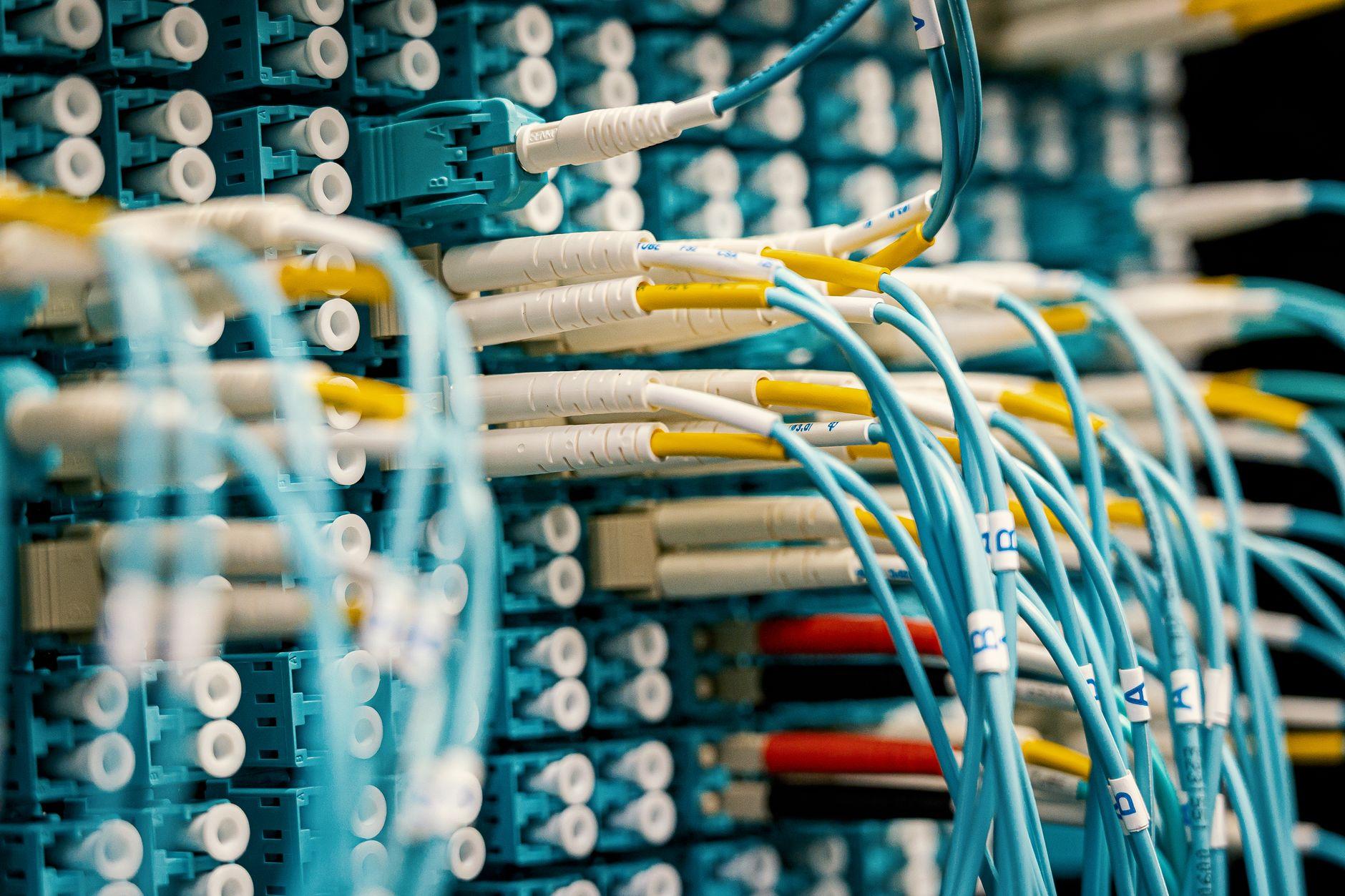
While AI companies are rushing to build and expand data centers, barriers that impede this momentum are accumulating outside the facilities themselves. Three key challenges—power supply shortages, regulatory hurdles, and community opposition—are causing delays in data center deployment across various regions.
Behind this lies the sharp increase in power demand driven by the proliferation of generative AI. Computers used for AI training and inference consume vast amounts of electricity, making data centers highly dependent on power infrastructure. However, many regions have legacy power grids that lack the capacity to meet this surging demand, meaning power supply itself has become a constraint on expansion plans.
Regulatory barriers are also formidable. Large-scale facility construction requires passing through administrative reviews concerning land use and environmental impact. The longer these review processes take, the greater the impact on business schedules and investment plans. Furthermore, opposition movements from local residents have emerged in various locations, with cases reported where construction plans face objections citing concerns over noise, heat generation, and landscape impacts.
These issues illuminate a structural challenge: AI growth is directly tied to physical infrastructure in the form of data centers. While AI model development competition appears to be a software matter, it is in reality a capital-intensive industry requiring massive power consumption, land, and cooling systems. In this sense, power and regulatory constraints can directly affect the growth pace of the entire AI industry.
Going forward, the key question is how each company will overcome these 'data center external' challenges. Regarding power, strategies such as renewable energy utilization and site selection near existing infrastructure are being explored. Regarding regulation and community relations, some argue that dialogue with local communities and benefit-sharing mechanisms will be key to advancing projects.
AI competition has entered a phase where success depends not only on 'who builds the better model' but also on 'who can secure infrastructure faster.' While data center construction technology itself is maturing, the 'external environment' problems—power supply, regulation, and community relations—have emerged as the next bottleneck.
As long as the AI industry continues to expand, these challenges cannot be solved by individual companies alone; coordination across broad domains including energy policy, urban planning, and community consensus-building is required. We are entering an era where how the industry as a whole responds to this gap between technological advancement and social acceptance is being called into question.
This article is an original work independently written and edited by the AI issue editorial team based on factual reporting. © AI issue. Unauthorized reproduction, redistribution, or use for AI training is prohibited.