AI Steps Off the Screen Into the Physical World
The momentum behind 'Physical AI'—where artificial intelligence expands from the digital screen into the real world—is accelerating. Operating AI in physical environments such as robots and factories requires overcoming multifaceted technical challenges beyond language understanding, including vision, control, and safety measures.
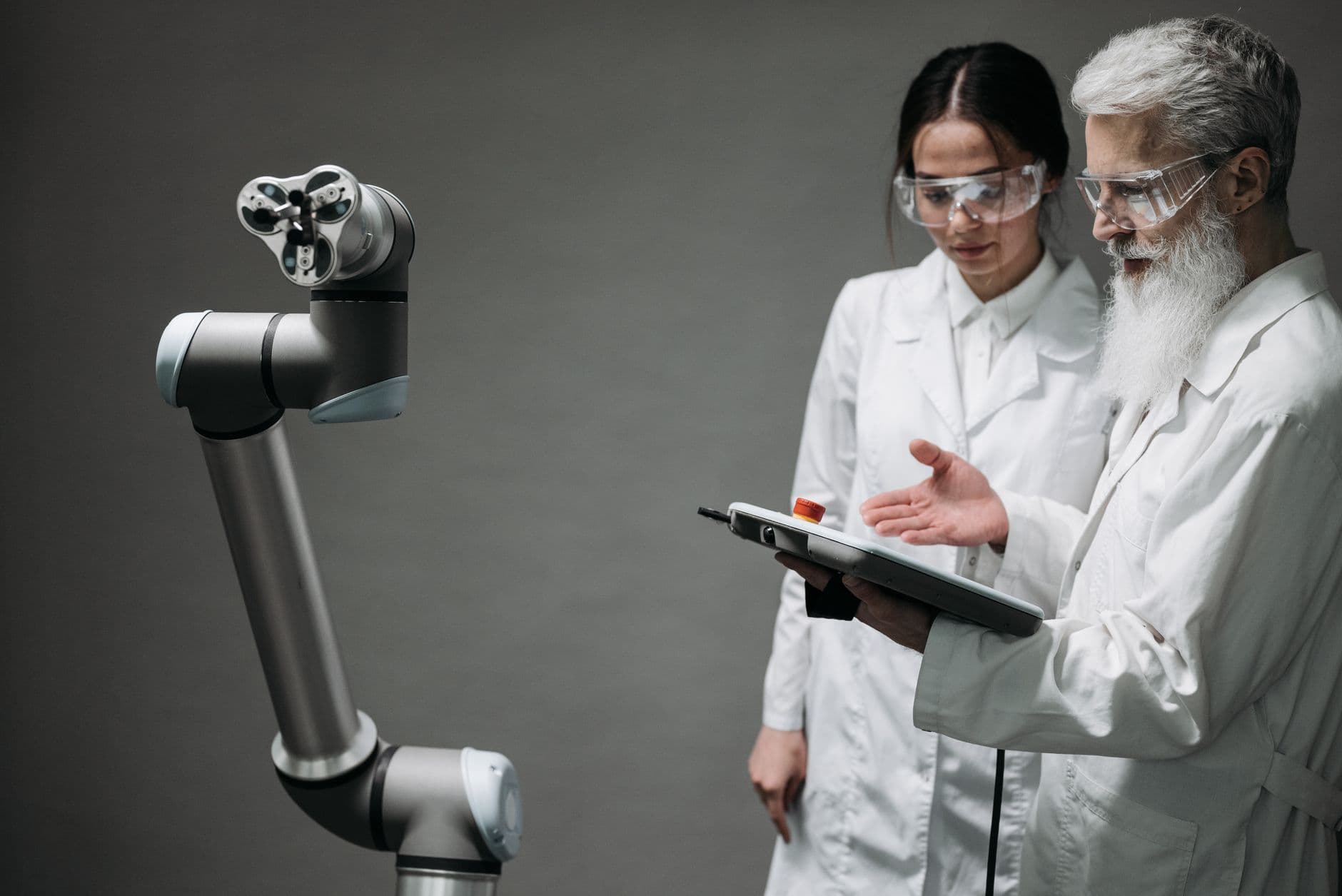
Artificial intelligence's field of activity is expanding from the digital screen into the real world. A movement called 'Physical AI'—operating AI in physical environments such as robots and factories—is attracting significant attention across industries. Until now, AI has had a strong image as 'software-based'—reading text to provide answers or identifying images. However, that definition is beginning to shift.
Physical AI refers to efforts to operate AI in real physical space. Cases are increasing where AI is implemented in forms where it 'has a body'—robots controlling manufacturing lines in factories, autonomous machines sorting packages in logistics warehouses, equipment making judgments and moving at construction sites. This demonstrates that AI's 'understanding of language,' which it has primarily excelled at thus far, is not sufficient in the real world alone.
For AI to function in real environments, numerous challenges beyond language processing must be overcome. For example, for a robot to accurately grasp components on a factory line, it requires the ability to perform complex judgments in real time: processing visual information, controlling force application, and responding to unexpected situations. The capabilities of large language models (LLMs) that generate text can be viewed as merely the starting point.
Behind this trend lies the maturation of AI technology itself. As the performance of language models has rapidly improved, the next challenge—'how to connect AI to the real world'—has emerged. At the same time, in industrial sectors such as manufacturing and logistics, demands for labor shortage solutions and efficiency improvements are rising, making the need for AI-driven automation increasingly concrete.
However, numerous technical hurdles remain before Physical AI reaches practical implementation. The real world does not move according to predetermined scenarios learned from data. There are complexities that cannot be fully recreated in virtual environments: unexpected obstacles, changing environmental conditions, safe collaboration with humans. For AI to 'think with its body, not just its mind' in physical space, fusion with multiple fields—sensor technology, control engineering, safety design—is considered essential.
The advancement of Physical AI has the potential to shift the axis of industrial competition surrounding AI. Previous AI competition has primarily centered on model performance and language capabilities. However, in the future, competition will increasingly focus on implementation capability—how well AI can coordinate with actual machines and equipment. Language understanding is merely the entry point; there is now renewed awareness of how long the path is from this understanding to action in the physical world.
What deserves attention going forward is which industrial sectors will lead in the practical implementation of Physical AI. While adoption is likely to advance first in labor-intensive sectors such as manufacturing, logistics, construction, and agriculture, how quickly safety standards and regulations are established will also be a determining factor in the pace of broader adoption. As AI takes its first steps beyond the screen, the challenge now is how to evaluate and prepare for this movement.
This article is an original work independently written and edited by the AI issue editorial team based on factual reporting. © AI issue. Unauthorized reproduction, redistribution, or use for AI training is prohibited.