 GoogleJul 21, 2026 03:18 UTC
Google Developing Gemini-Exclusive Chip "Frozen v2"
According to internal sources, Google is developing "Frozen v2," a server-class dedicated processor that embeds the architecture of its AI model "Gemini" directly into the chip. The chip is reportedly 6–10 times more efficient than current TPUs and is scheduled for release in 2028. If realized, it could significantly reduce AI inference costs and potentially provide a pricing advantage over competitors like OpenAI and Anthropic.
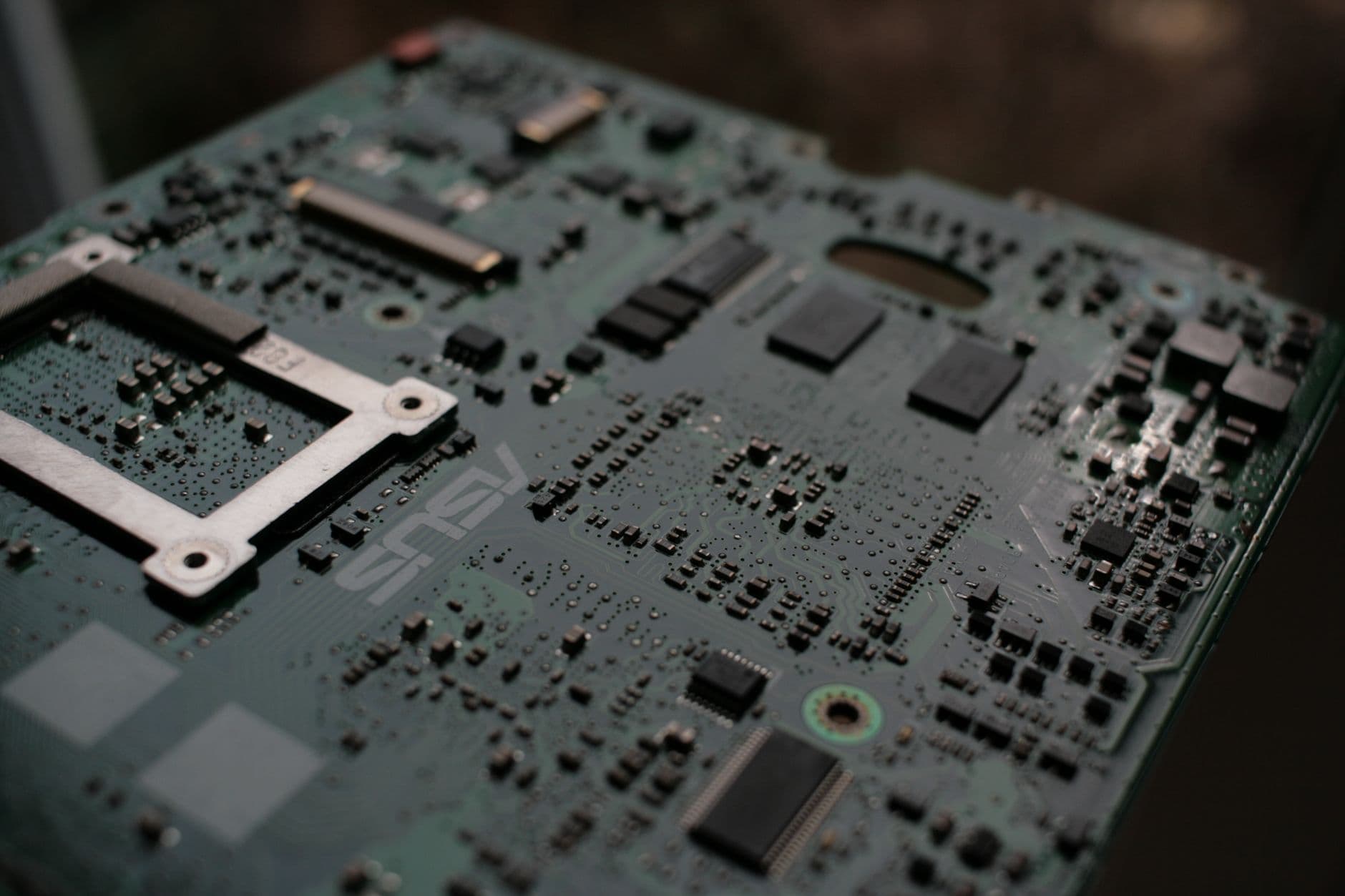
Google is developing "Frozen v2," a dedicated server-class chip that embeds the architecture of its AI model "Gemini" directly into hardware. According to internal sources, the chip is reported to be 6–10 times more efficient than current TPUs (Tensor Processing Units), with a planned release in 2028.
TPUs are specialized processors that Google developed in-house to accelerate AI computational processing. Current TPUs feature a general-purpose design intended to support a wide variety of AI models. In contrast, "Frozen v2" adopts a design philosophy of baking Gemini's architecture directly into silicon (the chip's circuits), pursuing significant efficiency gains through optimization for a specific model.
In the AI industry, chip efficiency directly impacts service operating costs. The "inference" process—where AI models answer questions or generate text—consumes substantial server resources continuously. Possessing a highly efficient chip means realizing the same computational workload at lower cost. According to reports, "Frozen v2" has the potential to significantly reduce Google's AI inference costs.
The attention surrounding this move reflects intensifying price competition in the AI industry. Competitors like OpenAI and Anthropic are locked in fierce competition over API (application programming interface) usage fees for accessing AI capabilities externally. If inference costs decline, there is room to lower service prices or increase profit margins. Sources suggest that "Frozen v2" could provide Google a pricing advantage over OpenAI and Anthropic.
However, several points warrant caution. This information comes through internal sources and is not an official Google announcement. Additionally, the 2028 target date represents current planning; semiconductor development involves numerous technical and manufacturing hurdles. Specifications and timelines may change before the product reaches market.
Model-specific chip design represents a trend spreading across the AI industry. In many scenarios, designs optimized for specific models prove more efficient than general-purpose chips running diverse workloads, and the momentum among companies pursuing deeper vertical integration of hardware and software is expected to continue.
For Google, "Frozen v2" represents more than a simple hardware refresh in AI competition—it is an undertaking with the potential to transform cost structures themselves. As we look toward 2028, the key focus will be whether development progress and actual performance data are officially disclosed.
This article is an original work independently written and edited by the AI issue editorial team based on factual reporting. © AI issue. Unauthorized reproduction, redistribution, or use for AI training is prohibited.