 ZAug 30, 2026 11:26 UTC
Z.ai's Budget LLM 「GLM-5.3-Flash」 Identity Revealed
Chinese AI company Z.ai officially released the language model 「GLM-5.3-Flash」on August 26. The model had been anonymously available for approximately one week under the name 「Ox Alpha」on OpenRouter, gaining attention from the developer community for its high performance and free availability. It operates solely on Chinese chips and publishes weights under MIT license. Despite a low cost of approximately 9 cents per task, it records performance indices comparable to mid-tier US models.
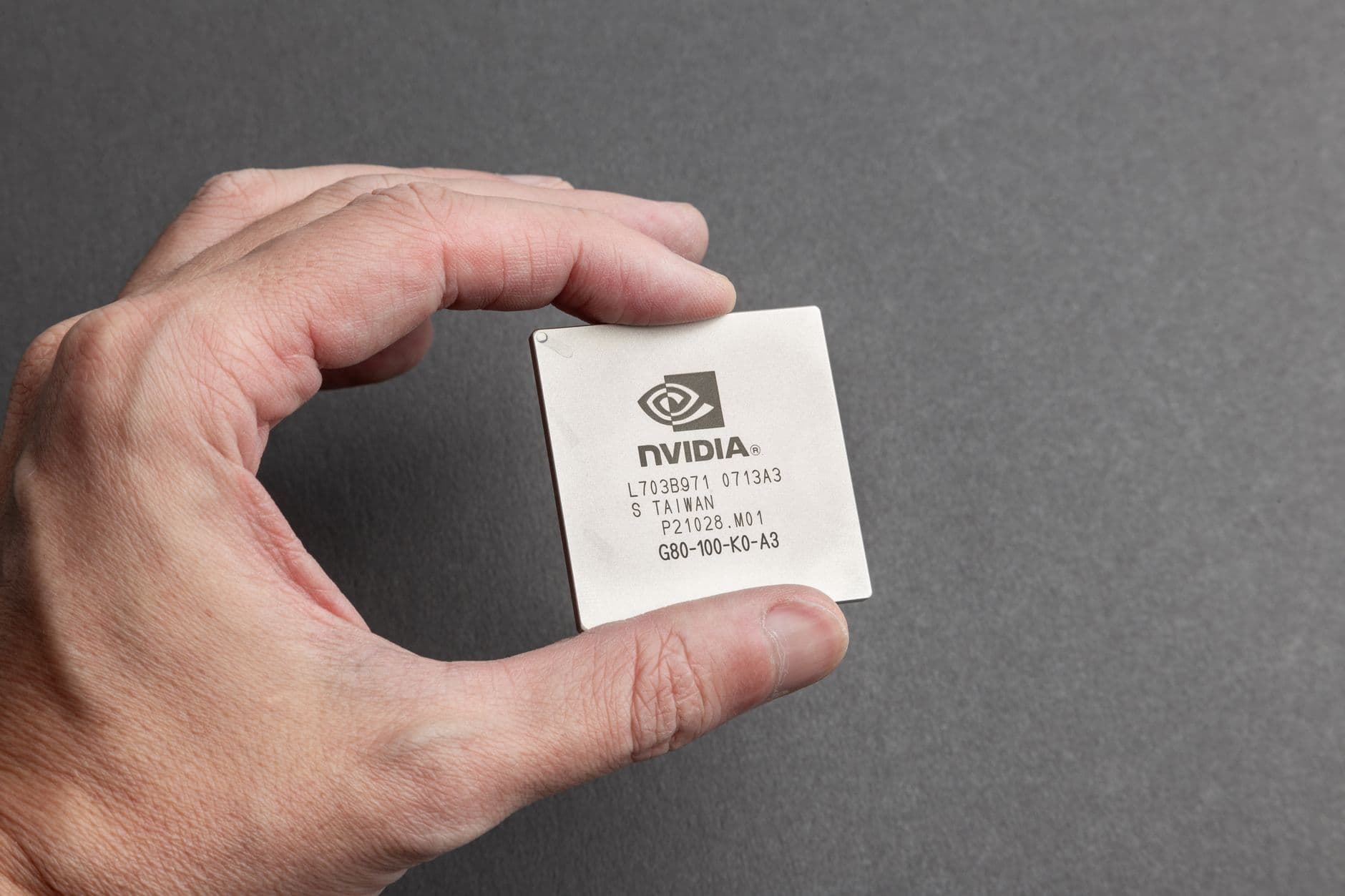
Chinese AI company Z.ai's language model 「GLM-5.3-Flash」was officially released on August 26. Prior to that, the model had been freely available for approximately one week under the name 「Ox Alpha」on OpenRouter, operating with actual user traffic while keeping its identity undisclosed. During that period, it processed an estimated trillions of tokens per day according to community estimates, generating buzz among developers and AI enthusiasts about its origins.
The primary reason Ox Alpha attracted attention was its high performance despite being free. Efforts to identify its creators intensified through tokenizer analysis and network investigation, with speculation that it might have been developed by a major US research lab. After its identity was revealed, it became even clearer that the model was powered solely by Chinese chips and infrastructure, which itself became a form of technological proof.
The pricing is also noteworthy. The official rates are 15 cents per million input tokens and 50 cents per million output tokens. OpenRouter is offering promotional pricing through September 9 at 7.5 cents and 25 cents respectively. The model weights are released under an MIT license and can be used through inference providers based in the US, including GMI Cloud and Cloudflare, in addition to Z.ai.
In terms of performance comparison, the cost-to-performance metric published by Artificial Analysis on the same day is instructive. GLM-5.3-Flash recorded an intelligence index of 57, with a cost of approximately 9 cents per task. GPT-5.6 Sol (maximum configuration), positioned in a similar performance band, scores 59 with 67 cents per task, meaning a cost difference of approximately 7.4 times for a 2-point difference in index. Grok 4.6, positioned higher, has an index of 61 at 94 cents, resulting in approximately 10 times the cost for a 4-point difference.
This cost disparity directly impacts corporate AI adoption budgets. Major US corporations are already grappling with AI cost inflation as a management challenge. Uber's Chief Technology Officer told The Information that the company exhausted its 2026 coding budget in just four months, leading the company to impose a cap of $1,500 per person per tool per month. Nevertheless, the Chief Operating Officer states that the company cannot demonstrate whether these costs are translating into concrete product improvements.
Across the industry, scrutiny of AI investment returns is intensifying. According to McKinsey's 2026 State of AI survey, while 80% of respondents experienced improved operational speed, only 37% of companies confirmed contributions to EBIT. Additionally, 32% of companies reported canceling at least one software purchase after gaining the ability to develop software features in-house through coding agents. While discontinuing AI adoption is difficult, the necessity to optimize costs is increasing.
The emergence of GLM-5.3-Flash has the potential to accelerate the trend toward 「cost reduction」of high-performance AI models. As a competitive model powered by Chinese chips becomes available as open weights, existing corporate AI strategies built on the premise of US cloud and semiconductor infrastructure face pressure to reconsider their cost structures. The 「differentiated use of models」—which performance tier model to deploy for which task—is positioned to become an increasingly critical consideration in future corporate AI adoption.
This article is an original work independently written and edited by the AI issue editorial team based on factual reporting. © AI issue. Unauthorized reproduction, redistribution, or use for AI training is prohibited.