 AnthropicJul 23, 2026 09:24 UTC
Anthropic and AMD Sign Major Deal Worth Up to $5 Billion
AMD has invested up to $5 billion in Anthropic, and in return, Anthropic will procure up to 2 gigawatts of AMD's GPU 'MI450' for training and operating its Claude model. AMD has already secured major deals with Meta and OpenAI, strengthening its challenge to Nvidia in the AI chip market. However, some observers have raised concerns that the transaction merely cycles capital without substantive value.
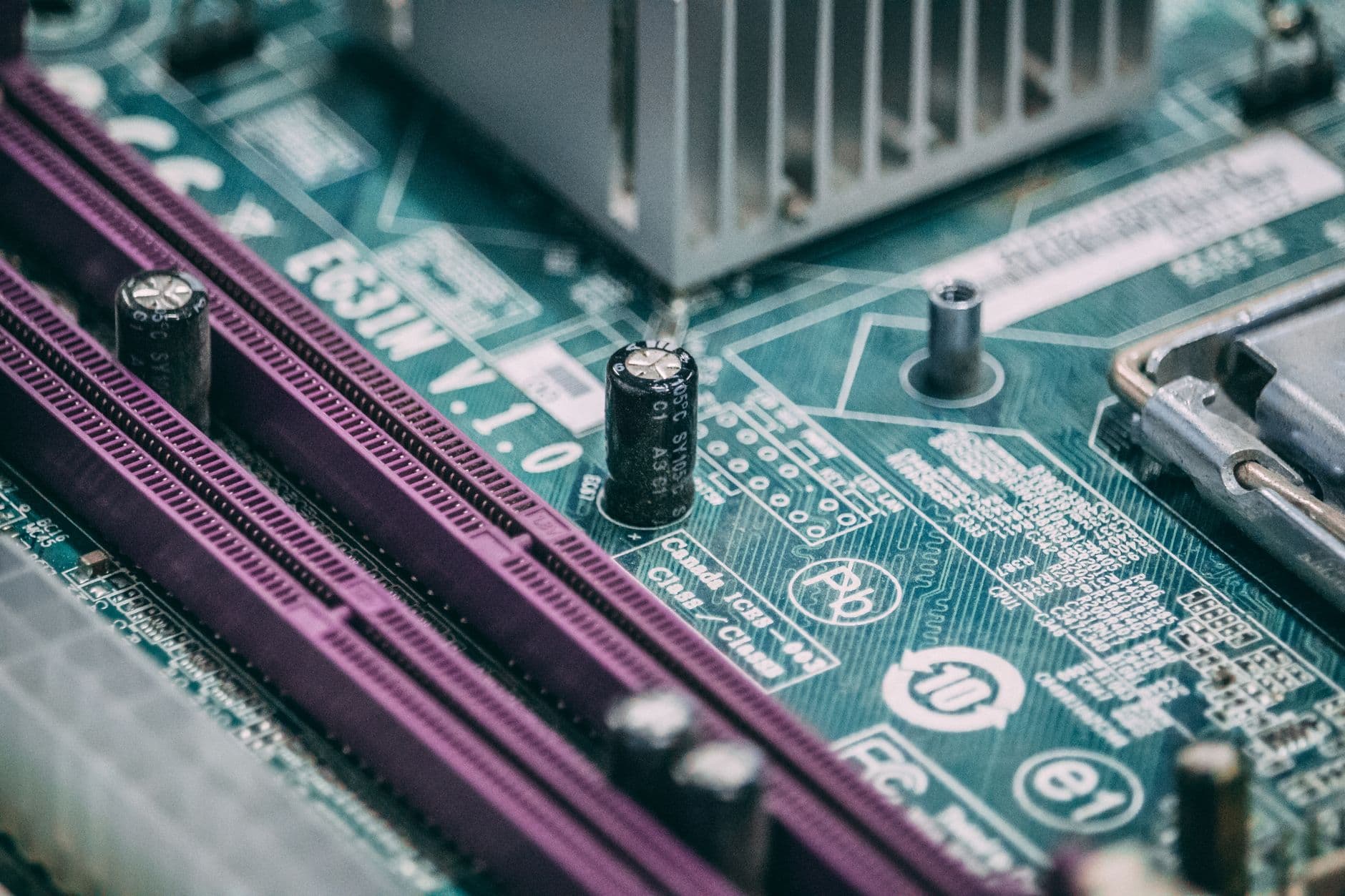
Anthropic and AMD have signed a major deal worth up to $5 billion. Under this agreement, Anthropic will procure up to 2 gigawatts of AMD's GPU 'MI450' for training and running its conversational AI model 'Claude'.
It is important to understand the landscape of the AI chip market. Currently, Nvidia dominates this market with overwhelming market share, and most AI development companies depend on Nvidia GPUs. AMD is seeking to increase its presence as a counterweight, and this contract with Anthropic is part of that strategy. AMD has already secured major deals with Meta and OpenAI, continuing efforts to break Nvidia's market concentration.
The structure of this contract is not straightforward. AMD invests up to $5 billion in Anthropic, and in return, Anthropic procures and uses AMD GPUs on a large scale. In other words, capital flows from AMD to Anthropic, which then purchases AMD's products—creating a circular flow of funds. This aspect has drawn criticism, with some noting that capital is simply circulating without substantive benefit.
However, the practical significance of such transactions cannot be ignored. From Anthropic's perspective, a stable supply route for GPUs is secured. From AMD's perspective, it accumulates track records and adoption cases with major AI companies, potentially raising the market valuation of its chips. Beyond mere cash flow considerations, both parties strengthen their business foundations.
The term '2 gigawatts' may be unfamiliar to general audiences, but it represents AI chip processing capacity expressed in terms of data center power consumption. This corresponds to operating GPUs in the tens of thousands of units and illustrates the massive computational resources required for large language model training. As AI models advance in sophistication, competition for chip procurement intensifies.
This development carries significant implications for the entire AI industry supply chain. The trend of AI development companies diversifying away from dependence on specific chip manufacturers is likely to continue. By achieving formal adoption of AMD GPUs in cutting-edge models like Claude, AMD accumulates credentials toward establishing itself as the second major AI chip supplier after Nvidia. Whether chip procurement becomes more diversified will be a key factor shaping the competitive landscape of the AI industry going forward.
This article is an original work independently written and edited by the AI issue editorial team based on factual reporting. © AI issue. Unauthorized reproduction, redistribution, or use for AI training is prohibited.