South Korea Announces Over 80 Trillion Yen in National Investment for AI Chips
The South Korean government announced a massive national project investing 57.6 billion dollars (approximately 80 trillion yen) in the AI semiconductor sector. Samsung Electronics and SK Hynix will serve as the core players, aiming to strengthen South Korea's position in global AI competition. This plan is positioned as part of a series of mega-projects being promoted by the government.
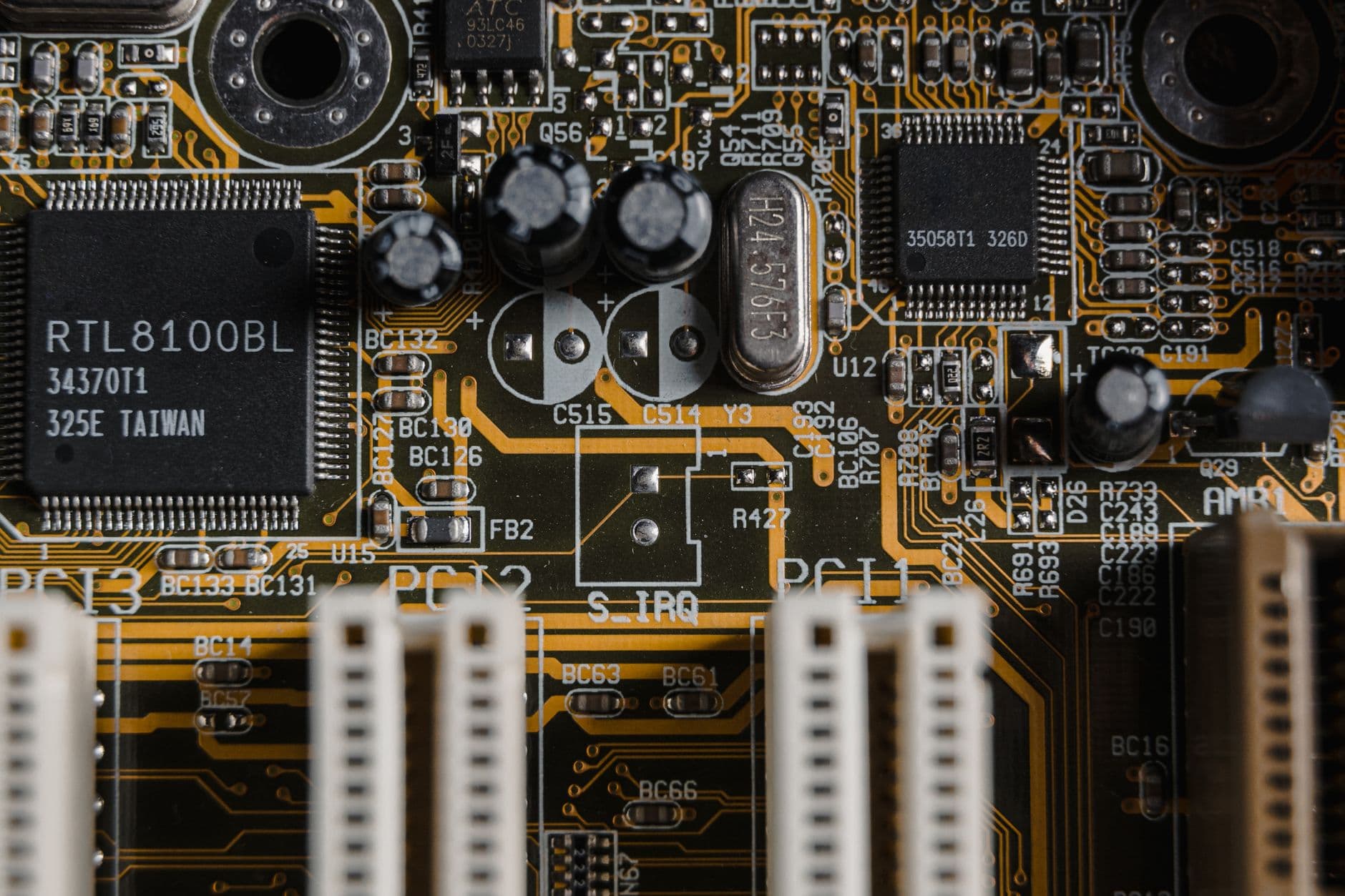
The South Korean government announced a large-scale national project investing 57.6 billion dollars (approximately 80 trillion yen) in the AI semiconductor sector. Samsung Electronics and SK Hynix, the country's two major semiconductor companies, will serve as the core pillars, with the aim of establishing South Korea's international position in the AI field.
This investment plan is positioned as part of a series of "mega-projects" being promoted by the government. A mega-project is a policy approach that aims to rapidly enhance industrial competitiveness by concentrating national-scale resources in specific strategic sectors. AI semiconductors are designated as the highest priority area among them, and this announcement represents a concrete realization of that policy direction.
The background for South Korea's major investment push lies in the intensifying international competition surrounding AI semiconductors. With the widespread adoption of generative AI, demand for high-performance chips used in AI model training and inference is rapidly expanding globally, and each country and company is rushing to secure their supply capacity. South Korea has a track record of SK Hynix and Samsung leading the global market in fields such as HBM (High Bandwidth Memory), and there is an intention to further expand that strength.
Samsung Electronics and SK Hynix have already become major suppliers of advanced memory semiconductors and are now supporting global AI infrastructure. SK Hynix in particular is known for holding a high market share in HBM memory supply for NVIDIA. This national investment represents a structure in which the government supports and comprehensively strengthens the capabilities of these private companies.
On the other hand, it remains difficult at this point to forecast what actual results such a massive national investment will produce and by when. The semiconductor industry requires long periods and enormous costs from research and development to mass production, and the pace of technological innovation is rapid. There are also views that whether the plan proceeds as scheduled will be heavily influenced by how it is executed going forward and by international technology trends.
The most important point demonstrated by this announcement is that the competition for AI semiconductor hegemony is being elevated from mere corporate competition to the level of national strategy. The United States, China, and European countries are also strengthening public support for the semiconductor sector, and South Korea's latest move can be said to align with that trend. Going forward, attention will focus on how the investment implementation plan and the specific role-sharing between Samsung and SK Hynix are presented.
This article is an original work independently written and edited by the AI issue editorial team based on factual reporting. © AI issue. Unauthorized reproduction, redistribution, or use for AI training is prohibited.