 MatchJun 18, 2026 19:25 UTC
Nearly Half of American Singles Oppose AI Use in Dating
According to a survey by Match Group, approximately 47% of American singles view AI usage in dating and romantic matching negatively. However, the survey also revealed that among dating app users, there is some acceptance of AI use for profile improvement and message initiation.
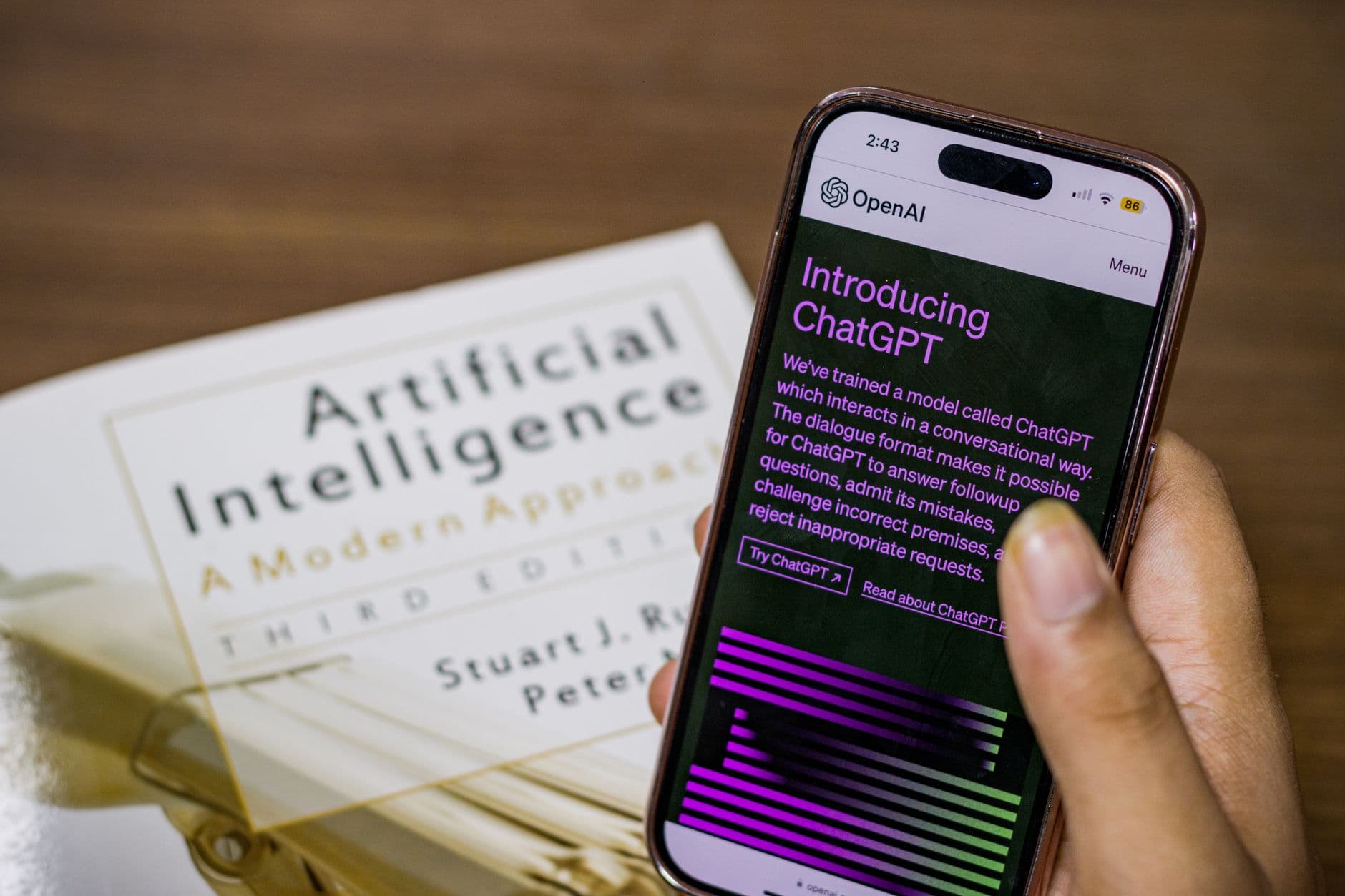
According to a survey conducted by Match Group, approximately 47% of American singles hold negative feelings toward AI usage in dating and romantic matching. This reveals that wariness about AI's involvement in the dating space has already spread to nearly half of the population.
However, the same survey identified a different trend among dating app users. There is demonstrated acceptance of AI use for profile improvement and message initiation (the so-called "conversation starter"). In other words, rather than outright rejection of AI itself, the acceptance varies significantly depending on "how it is used."
This result symbolizes the current social situation where both expectations and distrust toward AI coexist. In the highly personal domain of dating, the sentiment "I don't want AI to intervene" operates strongly, yet understanding is more readily shown for AI's role as a tool assisting self-expression. In situations where human emotion is deeply involved, users appear to be carefully drawing their own lines between what AI should and should not handle.
The dating app industry is advancing development of features utilizing AI, such as profile recommendations and message assistance. However, this survey demonstrates that such feature implementations are not welcomed by all users, and underscores the need to carefully consider users' emotional receptiveness in service design.
The survey results were released by Match Group. The company operates multiple major matching services including Tinder and Match.com, and holds considerable influence in understanding trends in the dating and romance sector. As opinions on AI usage remain divided, how each dating service company approaches this will directly determine future user trust.
This article is an original work independently written and edited by the AI issue editorial team based on factual reporting. © AI issue. Unauthorized reproduction, redistribution, or use for AI training is prohibited.