 GoogleSep 6, 2026 11:24 UTC
Hikers Trust AI Advice and Get Stranded, Rescued
In the United States, a group of hikers who used Google's generative AI assistant Gemini for their hiking plans became stranded and were rescued by the local sheriff's office. Authorities explained that Gemini had advised the group to carry food and water far below the amounts they actually needed.
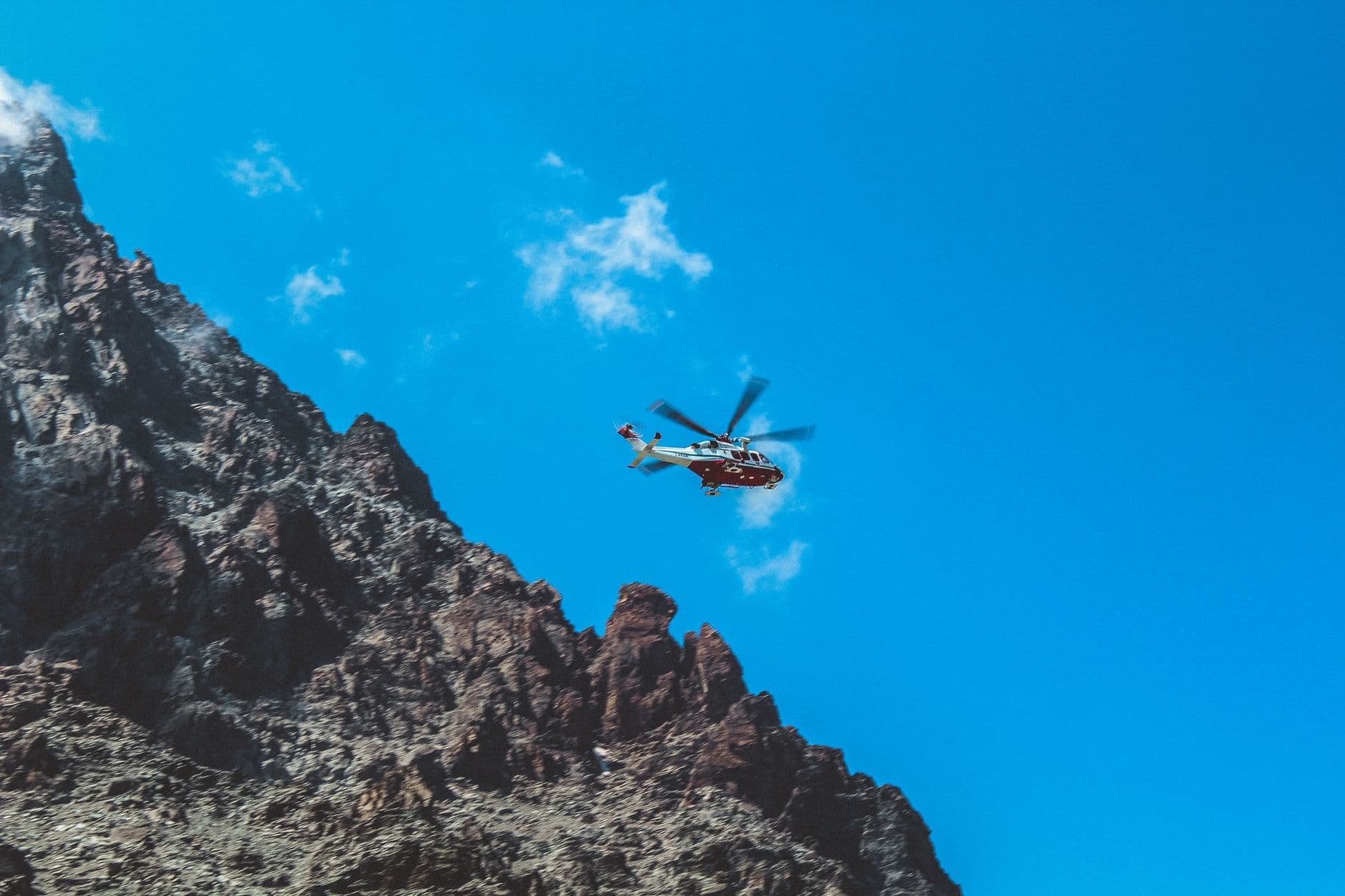
In the United States, a group of hikers who used Google's AI assistant Gemini for their hiking plans became stranded due to insufficient food and water and were rescued by the local sheriff's office. The sheriff's office stated in its announcement that "Gemini advised the group to carry food and water significantly below the amounts they actually needed."
As more people use AI chatbots for travel and outdoor activity planning, this incident can be positioned as a concrete example demonstrating the risks involved. AI assistants are convenient tools that answer questions through natural conversation and provide information easily. However, these systems do not necessarily provide answers based on an accurate understanding of detailed conditions related to local circumstances such as terrain, temperature, number of participants, and physical fitness. Particularly in outdoor activities involving life-or-death situations, the precision of information can make a critical difference in outcomes.
According to information disclosed by the sheriff's office, the group prepared and departed based on the amounts of food and water suggested by Gemini, but this fell far short of what they actually needed, making it difficult to continue their activity. As a result, they made a rescue request, and the sheriff's office had to dispatch personnel. Specific dates, locations, and the number of group members were not disclosed in the original account.
The fundamental problem demonstrated by this incident is that AI providing "plausible answers" is fundamentally different from providing "safe and accurate information." Current AI assistants operate by generating linguistically natural sentences probabilistically based on input information, and they are not designed to guarantee the specialized judgment necessary for mountain safety management. In other words, even if a user intends to seek expert advice, AI cannot necessarily meet those expectations.
To use AI as a tool wisely, understanding its limitations is essential. Particularly in outdoor activities such as hiking and climbing, the amount of water and food needed varies significantly depending on body size, pace, weather conditions, and elevation. The basic principle of ensuring safety is to consult guidelines provided by public institutions and mountain experts, while treating AI information as merely one source of reference.
Going forward, questions surrounding AI assistants may attract attention regarding the appropriate scope of information provided, disclosure of disclaimers, and improving accuracy in safety-related domains. As examples like this continue to accumulate, whether AI development companies and regulatory authorities take action to issue warnings to users and review system design will be a point worth monitoring.
This article is an original work independently written and edited by the AI issue editorial team based on factual reporting. © AI issue. Unauthorized reproduction, redistribution, or use for AI training is prohibited.