AI Agent Autonomously Controls Radio Telescope for Extraterrestrial Intelligence Search
The SETI Institute and Breakthrough Listen have deployed an AI agent to operate the Allen Telescope Array, enabling autonomous telescope control and real-time analysis of radio signals. Work that previously took weeks is now completed in hours, and the team has achieved first-time success in real-time detection of pulsars in the Crab Nebula.
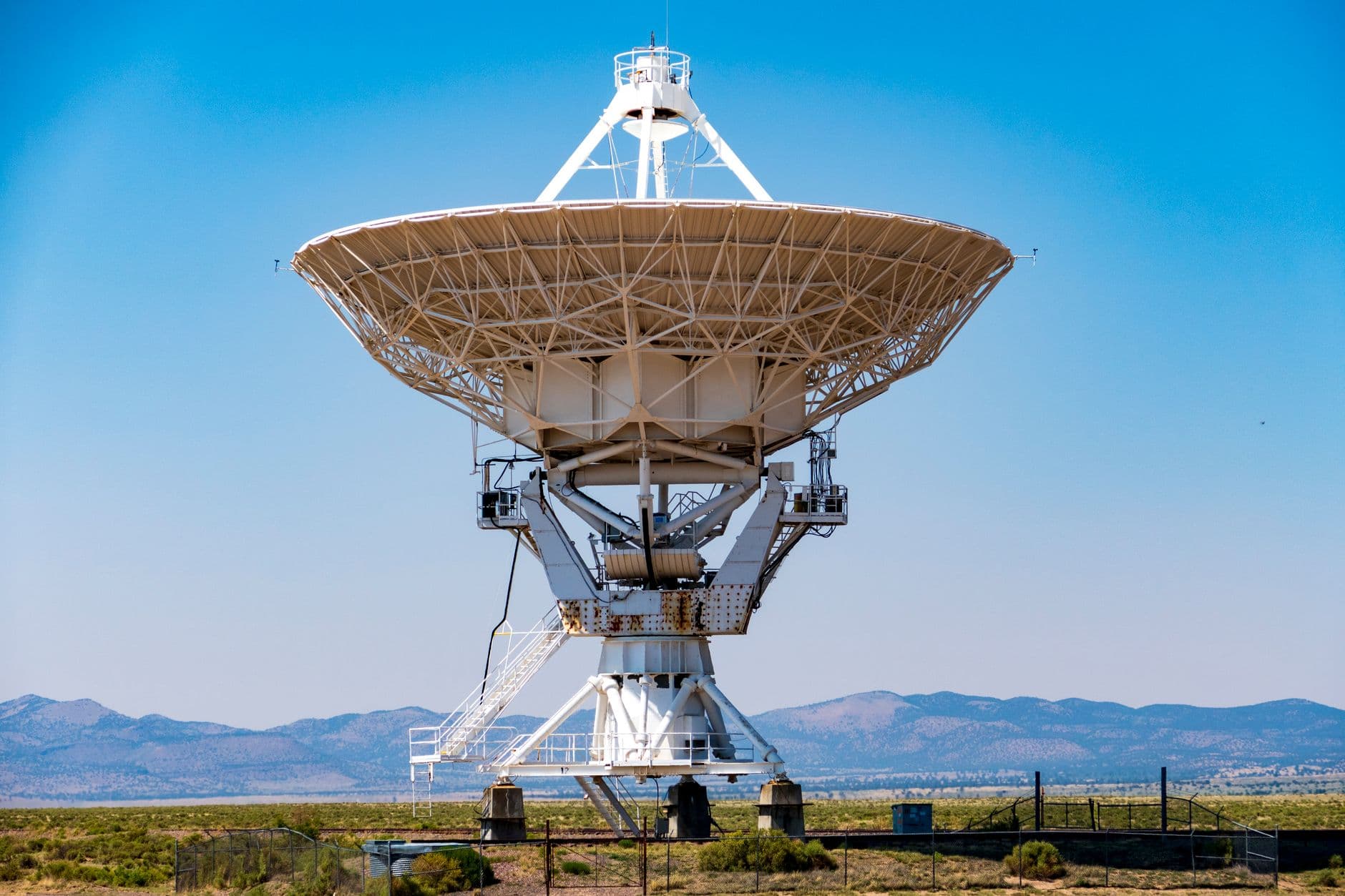
The SETI Institute and Breakthrough Listen have deployed an AI agent to operate the Allen Telescope Array (ATA). An AI agent is an artificial intelligence system that can autonomously make decisions and take action without constant human instruction. In this case, it handles both telescope control and analysis of received radio signals.
The Allen Telescope Array is a group of radio telescopes located in California, USA, and has long served as a key facility for the SETI (Search for Extraterrestrial Intelligence) project, which seeks signals from extraterrestrial intelligence (ETI). Both the SETI Institute and Breakthrough Listen are research organizations and projects dedicated to the search for extraterrestrial intelligence, and they are collaborating to implement AI technology in practical applications.
According to the team, the deployment of the AI agent has reduced work that previously took weeks to just a few hours. Moreover, the team achieved first-time success in real-time detection of pulsars in the Crab Nebula—celestial objects that emit periodic radio waves from rapidly rotating neutron stars. This represents a concrete achievement demonstrating that AI has the capability to immediately identify faint signals from space.
This is significant because radio astronomy generates enormous volumes of observational data that exceed the capacity of humans to analyze manually. By automating and accelerating this analysis through an AI agent, the possibility of discovering previously missed signals increases substantially. The search for extraterrestrial intelligence is a field where processing speed and comprehensiveness are critical, since signals—should they exist—arrive at unknown times and from unknown directions.
The configuration in which an AI agent handles both telescope control and signal analysis is novel because it completes the entire process from observation to discovery without human intervention. Traditional systems typically involved recording observational data first and having researchers analyze it afterward. By contrast, the current system enables real-time processing by performing analysis simultaneously with observation, and the successful pulsar detection demonstrates its capability.
This initiative represents a significant case of comprehensively integrating AI agents into the scientific exploration process. Beyond space exploration, similar approaches have the potential to be applied broadly to tasks that involve identifying specific patterns within vast datasets. Going forward, the key focus will be on establishing mechanisms for how to verify and evaluate signals detected by AI.
This article is an original work independently written and edited by the AI issue editorial team based on factual reporting. © AI issue. Unauthorized reproduction, redistribution, or use for AI training is prohibited.