Seven-Minute Chat with Chatbot Reduces Conspiracy Theory Beliefs
In an experiment conducted by researchers, a approximately seven-minute conversation with Google Gemini was shown to have the effect of reducing conspiratorial beliefs. This effect surpassed that of fact sheets and persisted in follow-up surveys weeks later. Additionally, similar reductions in conspiratorial beliefs were confirmed regarding different events that were not addressed in the conversation.
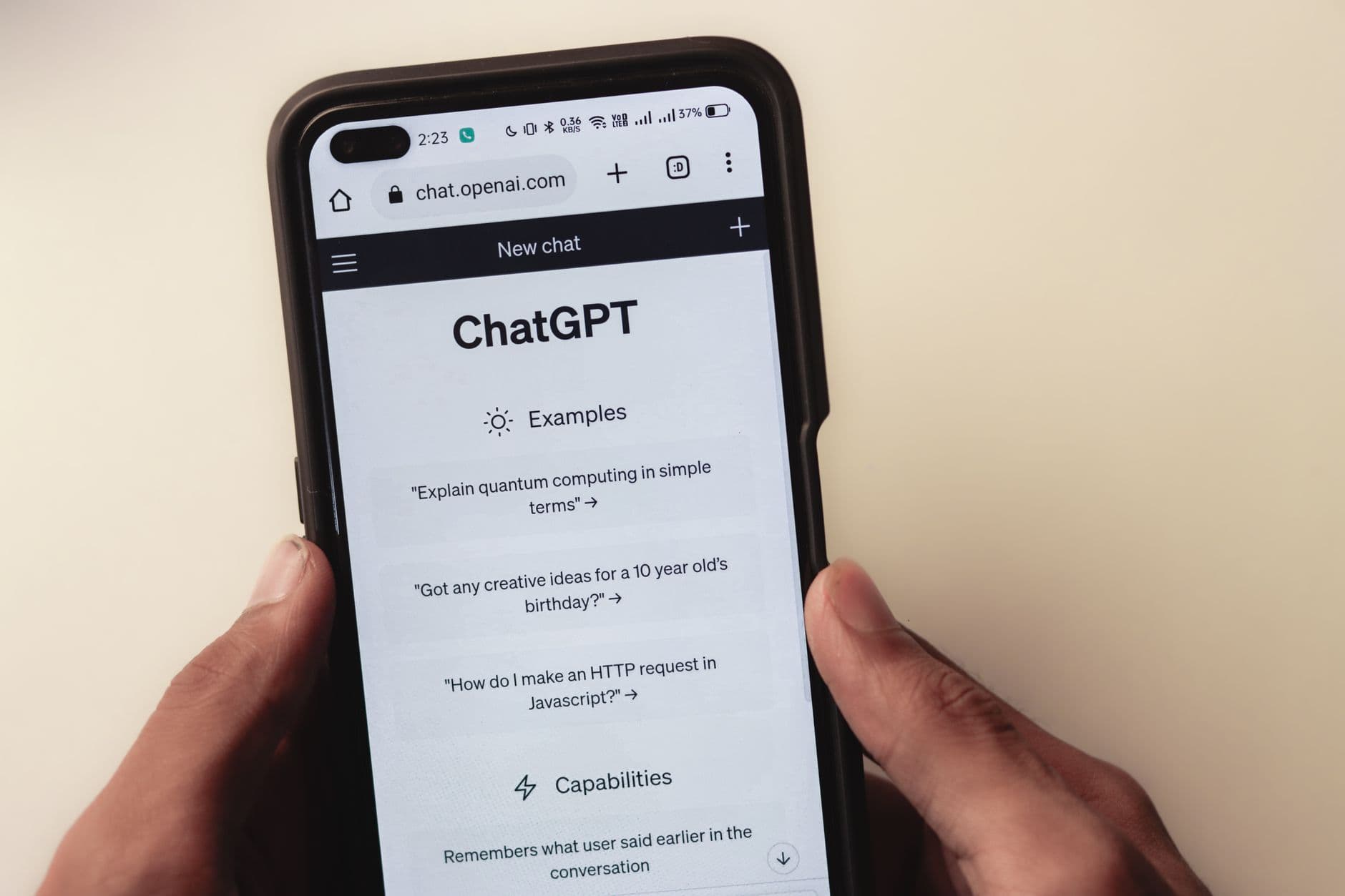
An experiment by researchers has revealed that a approximately seven-minute conversation with Google Gemini has the effect of weakening conspiratorial beliefs. This effect surpassed that of static fact sheets created for the same purpose, and persisted in follow-up surveys conducted weeks later.
The spread of conspiracy theories has become a global challenge alongside the proliferation of the internet and social media, and tends to spread particularly widely around socially significant events such as elections, epidemics, and natural disasters. Until now, the distribution of fact sheets created by experts and institutions has been the mainstream countermeasure, but limitations in its effectiveness have also been pointed out. Against this backdrop, research has been conducted to verify whether conversational artificial intelligence could serve as a new intervention tool.
Two experiments were conducted in the research. Participants freely conversed with Google Gemini, and the degree of conspiratorial beliefs was measured before and after the conversation. The average conversation time was approximately seven minutes. It is noteworthy that the conspiracy theories in question were about 'ongoing events,' and this effect was confirmed even in situations where verified factual information was still limited.
Furthermore, the research demonstrated the persistence and generalizability of the effect. In follow-up surveys conducted weeks after the chatbot conversation, the reduction in beliefs continued. Additionally, similar reductions in conspiratorial beliefs were observed regarding different events that were not addressed in the conversation. In other words, cognitive changes appear to have occurred not only on specific topics but across a broader range.
The significance of this result is considerable. Fact sheets until now have been premised on readers voluntarily reading and accepting their content. Conversely, conversational artificial intelligence can deliver information at the reader's pace and in response to their questions, making it easier to support the process of human 'conviction.' The fact that such effects appeared in just seven minutes is an example demonstrating the potential of applying artificial intelligence to information literacy support.
However, the effects confirmed in this research are limited to experimental conditions, and continued verification is necessary regarding how well these effects can be reproduced in actual society. Additionally, questions remain about whether people who believe in conspiracy theories will voluntarily engage in conversations with artificial intelligence, or whether the content of conversations with artificial intelligence should be trusted—issues that persist in practical implementation. In the future, attention is likely to focus on research that delves deeper into what kinds of conversational design are effective and what the mechanisms behind the observed effects are.
This article is an original work independently written and edited by the AI issue editorial team based on factual reporting. © AI issue. Unauthorized reproduction, redistribution, or use for AI training is prohibited.