 SeJul 25, 2026 17:22 UTC
Schneider Electric and AMD Jointly Announce AI Data Center Design
Schneider Electric and AMD announced a joint design to support the deployment of "AI Factory," an artificial intelligence data center. This design supports high-density AI racks consuming up to 246kW of power and is provided as a standard reference model for building large-scale AI processing environments.
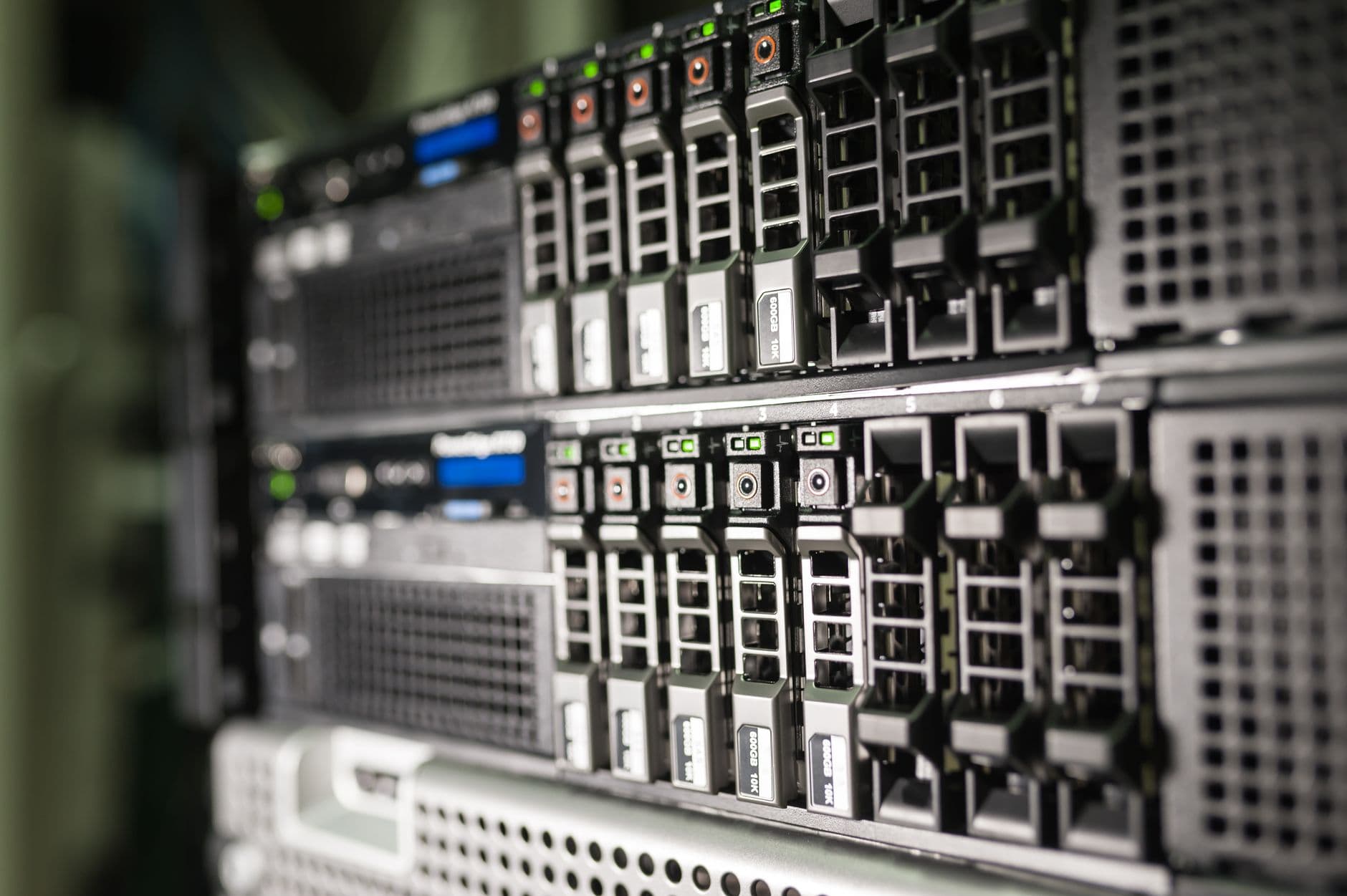
Schneider Electric and AMD announced a joint design to support the deployment of "AI Factory," a data center facility specialized in artificial intelligence processing. This design accommodates high-density AI racks consuming up to 246kW (kilowatts) of power and is intended for building large-scale AI inference and training environments.
In recent years, as artificial intelligence models have grown larger, the power density required by data centers has risen dramatically. While traditional general-purpose server racks consumed around 10-20kW, AI racks equipped with large quantities of GPUs (graphics processing units) consume several to over ten times that amount of power. Addressing this high-density trend requires fundamentally reconsidering power supply, cooling, and equipment design in all aspects, presenting an infrastructure challenge that the entire industry is facing.
In this joint design, AMD's AI-focused processors are combined with Schneider Electric's power and cooling infrastructure technology. The 246kW figure represents one of the maximum power requirements currently anticipated in the market and corresponds to rack configurations with high-density integration of AI accelerators (specialized chips that speed up AI processing). Since this design is provided as a "blueprint" (design document), data center operators and enterprises can utilize it as a standard reference model when building or expanding their own facilities.
From the perspective of infrastructure design standardization, the significance of this initiative extends beyond simple product integration. Building AI Factory requires tightly coordinated design of power, cooling, networking, and computing, and providing a reference design that consolidates these elements can reduce design costs and verification effort for adopting companies.
Schneider Electric, a major power infrastructure provider, has a track record of supplying power and cooling systems to data centers worldwide. Meanwhile, AMD is increasing its presence in the GPU and AI accelerator markets, and this partnership combines the respective strengths of both companies. In the AI infrastructure field, there is a growing trend of chip manufacturers and equipment manufacturers collaborating to present end-to-end reference designs, and this announcement aligns with that movement.
As the operational scale of artificial intelligence models expands, data center infrastructure design is becoming a fundamental element that influences AI strategy. Going forward, the extent to which such reference designs are adopted and how specific specifications for power efficiency and cooling methods are standardized will be key points for understanding the overall industry trend.
This article is an original work independently written and edited by the AI issue editorial team based on factual reporting. © AI issue. Unauthorized reproduction, redistribution, or use for AI training is prohibited.