 NVIDIAJul 9, 2026 23:18 UTC
Nvidia and Hugging Face to Jointly Develop Open-Source Models for Robots
Nvidia and Hugging Face announced that they will jointly develop open-source AI models for physical AI, including robots that operate in real-world environments. The goal is to support the adoption and ease of implementation of physical AI by releasing the models as open source. This collaboration is also positioned as further strengthening Nvidia's presence in the robotics and physical AI sectors.
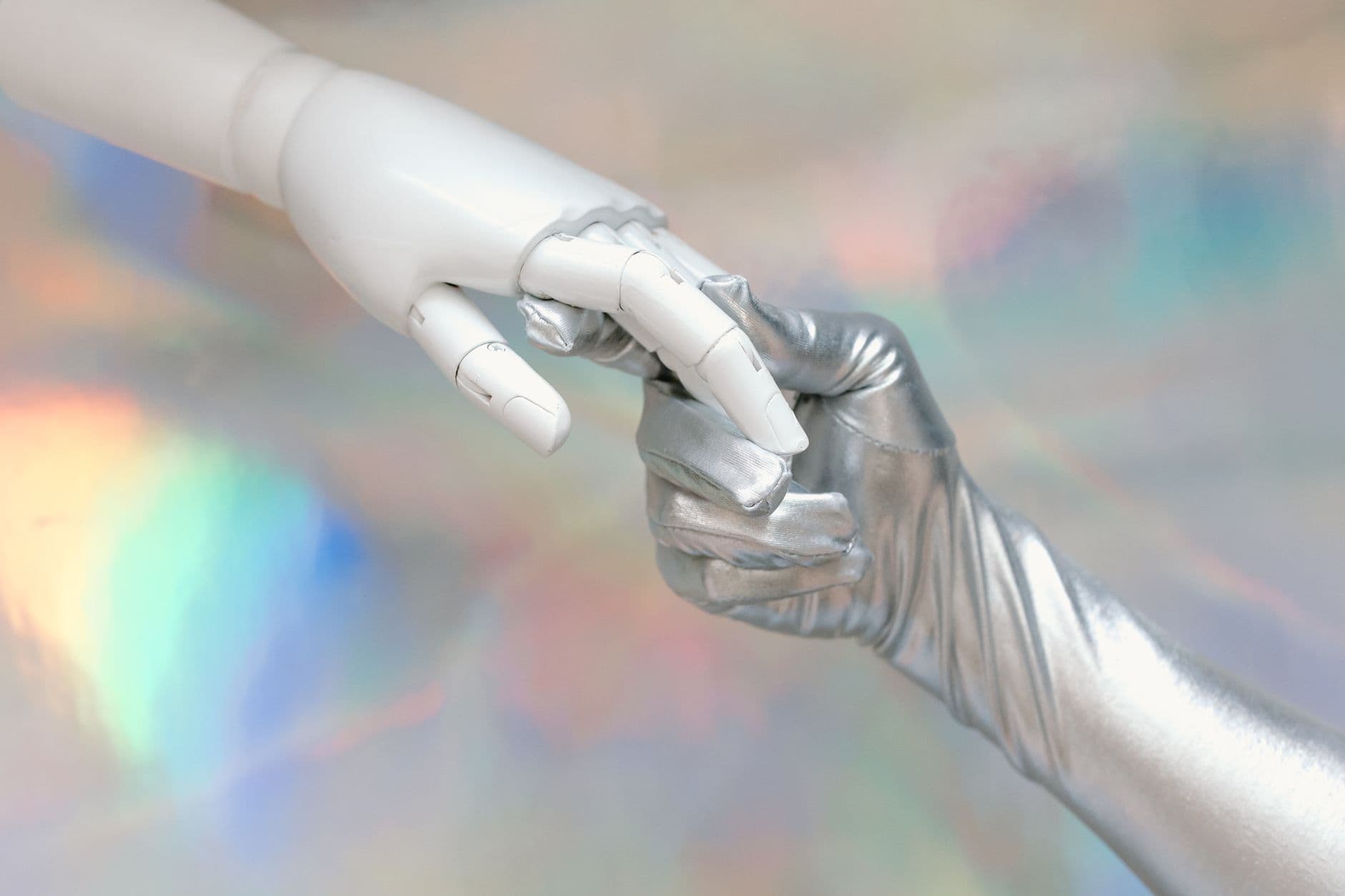
Nvidia and Hugging Face have established a partnership to jointly develop open-source AI models for robots operating in physical environments. This initiative aims to increase the adoption and ease of implementation of AI in the robotics field, with the goal of expanding the development foundation for "physical AI"—AI systems with physical bodies that operate in real-world spaces.
Physical AI differs from AI that operates within digital spaces, such as image generation or text creation. Instead, it refers to systems like robots that directly interact with the real world through sensors and actuators. As automation of robots progresses across many industries including manufacturing, logistics, and healthcare, the development of AI models to serve as the "brain" of these systems has become an urgent priority, and this movement is accelerating across the industry.
The core of this collaboration is the release of the developed models as open source. Open-sourcing means providing the model's source code and weights in a form that anyone can freely use, modify, and redistribute. This enables not only specific companies but also research institutions, startups, and individual developers to utilize these models. Hugging Face is widely used as a distribution platform for open-source models and is expected to serve as the foundation for public sharing and dissemination.
Nvidia is known as a company that has actively developed hardware and software for robotics and autonomous systems. This collaboration is positioned as further strengthening the company's presence in the physical AI sector. On the other hand, Hugging Face has grown as a core hub of an open-source AI ecosystem centered on LLMs (large language models), and this move can be viewed as an effort to expand its scope of activities by deepening its involvement in the robotics domain.
The significance of this collaboration extends beyond a simple partnership between two companies. Traditionally, the development of AI models for robots has been led by large enterprises with substantial capital investment and proprietary data. However, with the establishment of open-source models, there is potential for smaller organizations and researchers to enter the field more easily. This "lowering of barriers to entry" could accelerate the pace of technological innovation across the entire physical AI sector.
Key points to watch moving forward include the specific performance of the models to be released, the range of tasks they support, and how widely they are actually adopted in industrial settings. How open-sourced technologies are utilized and improved will become evident through community expansion and corporate adoption cases. The value of continuing to monitor how efforts toward the widespread adoption of physical AI accelerate from research to implementation cannot be overstated.
This article is an original work independently written and edited by the AI issue editorial team based on factual reporting. © AI issue. Unauthorized reproduction, redistribution, or use for AI training is prohibited.