 AnthropicSep 2, 2026 11:23 UTC
Anthropic Releases Standard Interface for AI Agents
Anthropic has announced Model Hardware Standard (MHS), an interface specification that enables AI agents to operate physical devices in a standardized manner. Released as part of the company's Physical AI strategy, it aims to establish a common standard that bridges AI and real-world hardware.
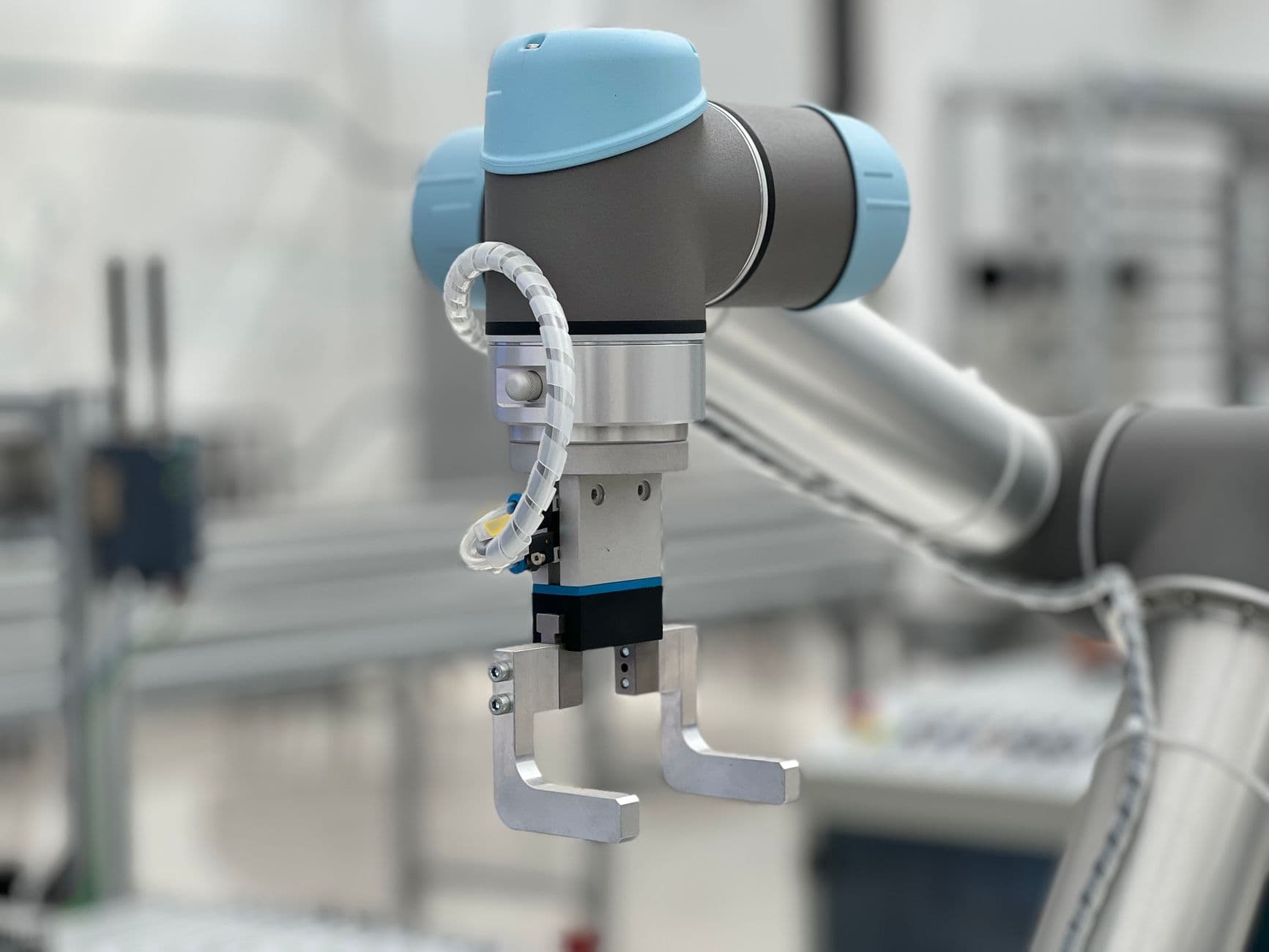
Anthropic has announced a new standard interface called Model Hardware Standard (MHS) for AI agents to operate physical devices and computers. This specification is designed to enable AI to directly control real-world machines on behalf of humans and is positioned as part of the company's Physical AI initiative, which focuses on AI that acts on the physical world.
In recent years, AI applications have expanded beyond text generation and information retrieval to include software operation and robot control, directly affecting real-world environments. In this context, there has been a need for a common "language" that enables AI agents—AI systems that autonomously perform multiple steps to accomplish tasks—to interact with different manufacturers' devices and equipment types in a consistent manner. MHS is understood to address this challenge.
MHS is an interface specification designed to enable AI agents to connect to and operate a diverse range of devices using standardized methods. Rather than requiring device-specific customization, the intention is to establish a common standard that allows AI to handle a broad range of hardware seamlessly. Anthropic positions this effort as part of its ongoing Physical AI strategy.
The significance of this development lies in how the definition of AI's "domain of operation" is changing. Until now, AI has primarily worked in the digital world—generating and analyzing text and images. If standardized interfaces enable connection to physical devices, the scope of automation in real-world industries such as manufacturing, logistics, and healthcare could expand significantly, according to some analysts.
On the other hand, AI that operates in the physical world faces different safety standards and questions about liability compared to digital processing. While the adoption of standard interfaces would improve convenience, it simultaneously makes the management of risks such as malfunctions and misuse directly causing real-world harm increasingly critical. The focus going forward will be on what safety designs and operational rules the industry puts in place.
With the MHS announcement, Anthropic has laid groundwork for a future in which AI agents can seamlessly collaborate with physical infrastructure. Physical AI is an area of growing interest for other major AI companies including OpenAI and Google, and it is necessary to continue monitoring developments regarding standardization efforts among these companies.
This article is an original work independently written and edited by the AI issue editorial team based on factual reporting. © AI issue. Unauthorized reproduction, redistribution, or use for AI training is prohibited.