 NVIDIAOct 25, 2026 13:21 UTC
Nvidia Open-Sources 'Flora,' a Robot Video Labeling Tool
Nvidia has released 'Flora,' a data engine that automates labeling of robot videos, as open-source software. Flora can process one hour of video footage for approximately 72 cents, reducing costs to about 1/125th of what Google's 'Astra' requires (around 88 dollars for equivalent work). While Flora slightly outperforms Astra in quality, it has limitations in descriptive accuracy for robot motion. Nvidia positions Flora as a cornerstone of its robotics data preparation strategy.
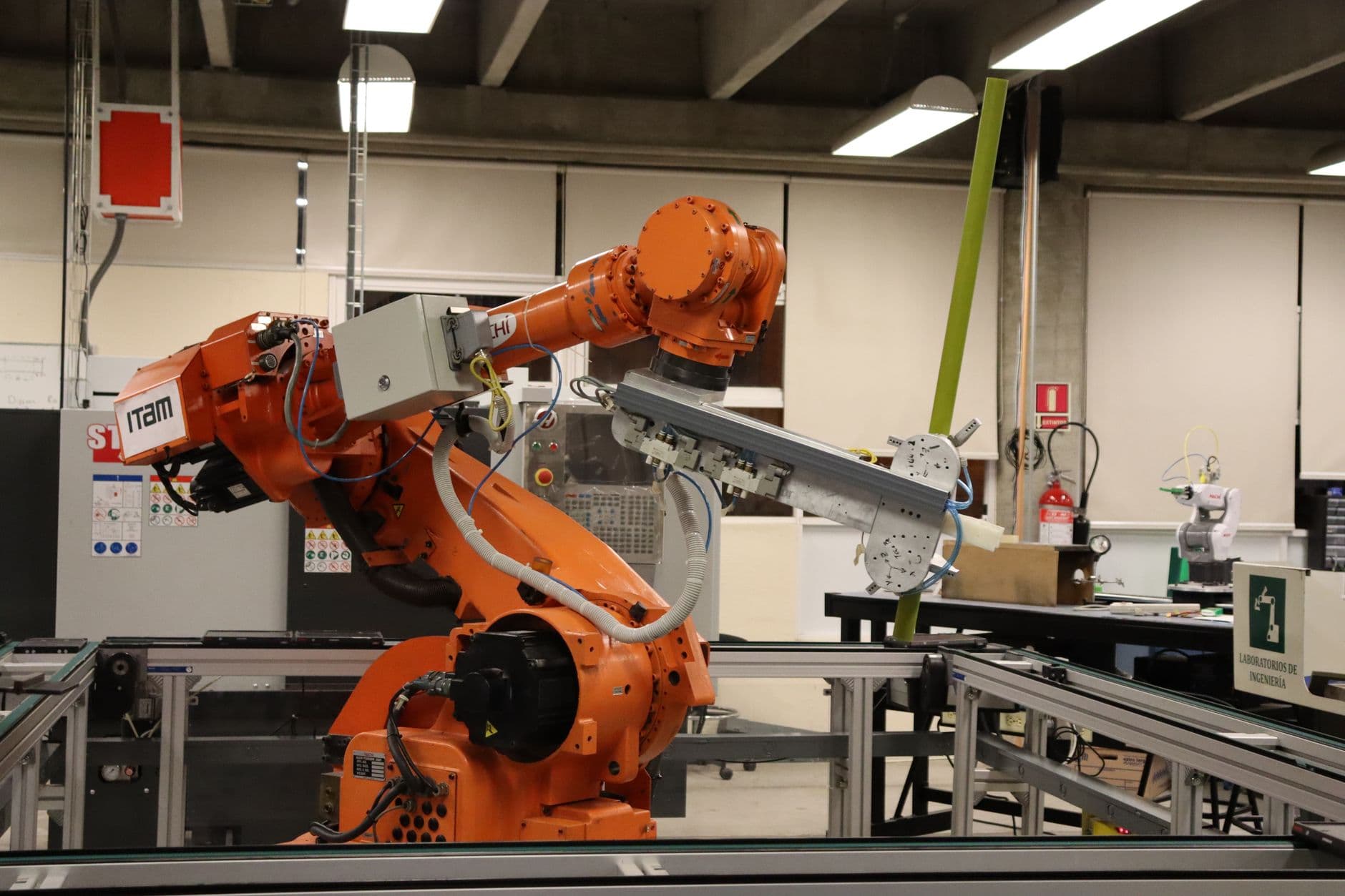
Nvidia has released 'Flora,' a data preparation tool for robot AI development, as open-source software. Flora is a system called a 'data engine' that automatically analyzes and labels videos of robots in motion, enabling the creation of training data necessary for AI learning at significantly reduced costs.
To operationalize AI, it is essential to meticulously label vast amounts of video data with information such as 'the robot failed here' or 'this action is accurate.' Historically, this task has relied heavily on large-scale AI models with high precision, driving up costs. Specifically, using Google's 'Astra,' a Gemini-series model, reportedly costs approximately 88 dollars to label one hour of robot video footage. Flora can reduce this cost to approximately 72 cents per hour, or roughly one dollar. In cost comparison, this represents approximately 1/125th of Astra's expense.
Flora operates by combining three models derived from fine-tuning Qwen3.5, a large language model. In terms of quality, Nvidia reports that label accuracy slightly exceeds that of the GPT-4o-based Astra. Notably, Flora significantly outperforms competing systems in detecting errors within robot motions. However, in 'descriptive accuracy'—the ability to explain action content in detail—there are cases where it falls short of competing tools. It is important to recognize that Flora has both strengths and limitations.
In robot AI development, how efficiently actual motion data can be converted into 'learning-ready format' substantially impacts development speed and costs. Data labeling may appear tedious, yet it directly affects AI performance. In robotics, which involves physical operations, vast amounts of video data are required. Consequently, reducing labeling costs has been a pressing challenge for development teams.
Nvidia has previously launched tools including 'Isaac Sim,' a robot simulator, and 'Cosmos,' a physics AI platform. Flora can be viewed as part of this trajectory, positioning itself within Nvidia's strategy to consolidate the entire robotics technology stack—from data collection through training and evaluation—in-house.
With Flora's open-source release, a broad range of developers, including research institutions and startups, now have access to this tool for free use and improvement. As cost barriers lower, more players could enter robot AI development, which was previously accessible only to large enterprises. Nvidia's initiative to establish the foundation of robotics 'data preparation' warrants attention as we observe future developments.
This article is an original work independently written and edited by the AI issue editorial team based on factual reporting. © AI issue. Unauthorized reproduction, redistribution, or use for AI training is prohibited.