 HelsingNov 11, 2026 15:20 UTC
Helsing Announces "Clarity", an AI-Powered Targeting Support System for Weapons
European defense AI startup Helsing has unveiled "Clarity", a platform that uses AI to analyze sensor data and present targeting candidates to weapons systems. The system is designed with human oversight and the recording of responsible personnel names for all decisions. Meanwhile, real-world conflict examples demonstrate the difficulty of risk control when automation speed and data fusion are combined, raising questions about the proper approach to military AI.
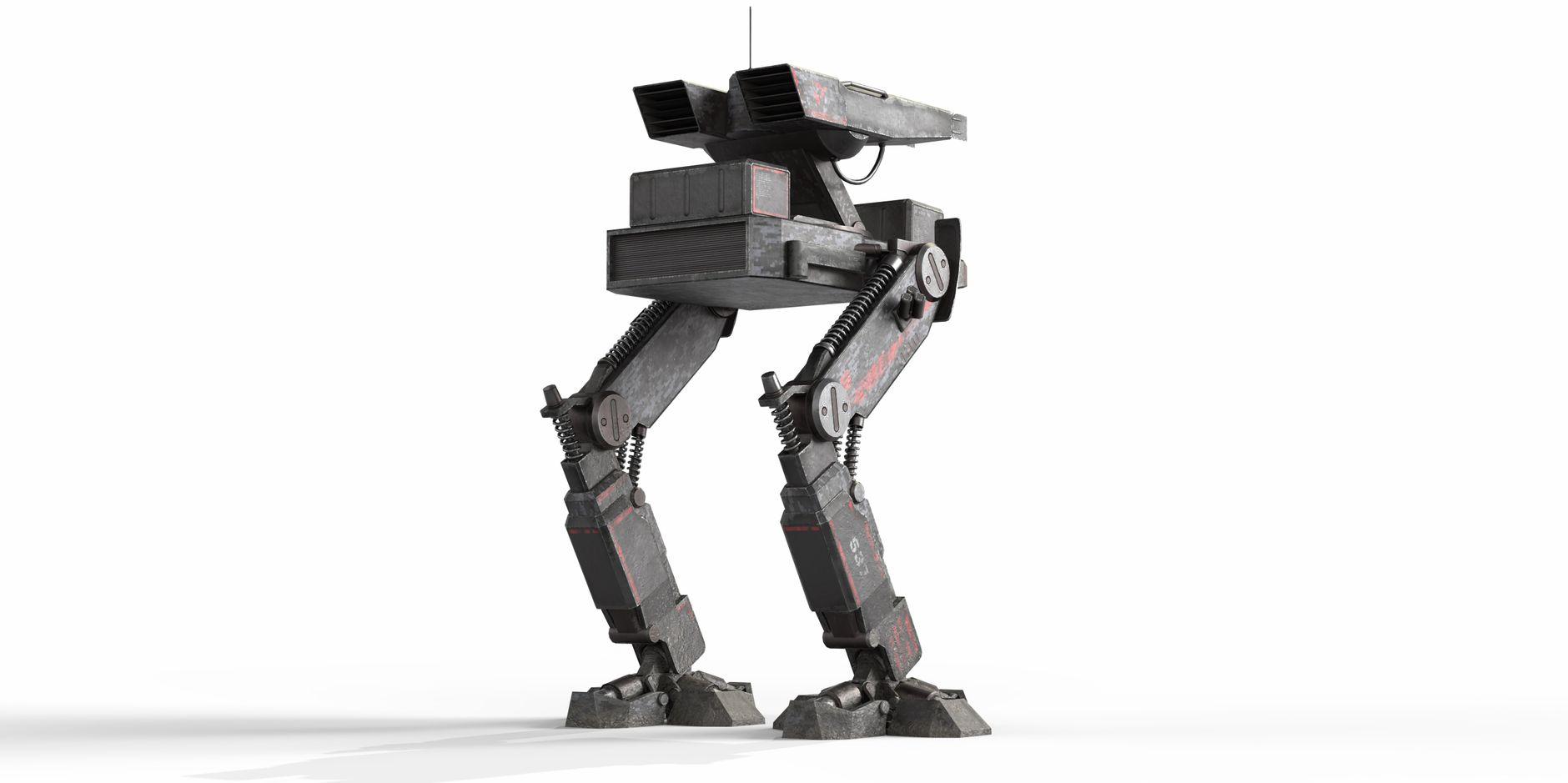
Helsing, a European defense AI startup, has unveiled a new AI platform called "Clarity". This system analyzes and integrates data collected from multiple sensors through an AI agent and presents targeting candidates to weapons systems. The system is designed with human oversight intervening in all decision-making processes, and the company states that it operates under European control.
Helsing is a defense technology company based in Europe, with its primary business being the application of AI technology to the military domain. In recent years, there has been growing interest among Western defense industries in information processing and decision-support systems leveraging AI, and Clarity can be seen as a product aligned with this trend. The company's emphasis on operating "under European control" is believed to reflect Europe's security posture that prioritizes technological sovereignty and trust-building among allied nations.
The core of Clarity lies in a process called "sensor data fusion". This is a mechanism where an AI integrates and analyzes vast amounts of data collected by different types of sensors and presents a list of targeting candidates to human operators. The company emphasizes that every decision is recorded with the name of the responsible human, putting forward a design that clearly establishes accountability.
However, such systems also carry inherent risks. Real-world cases—including conflicts with Iran, incidents in Gaza, and near-miss incidents involving China—demonstrate that risks can emerge that are difficult to control when automation speed and data fusion are combined, the original text points out. The question of how much humans can substantively intervene in information that AI processes and presents at high speed is positioned as a common challenge across military AI broadly.
Systems that uphold "human oversight" as a principle are becoming a de facto standard requirement in today's defense AI. However, concerns remain that human judgment may become merely formal when AI processes and recommends information instantaneously. How to maintain balance between processing speed and decision quality is a matter deeply connected not only to technical design but also to operational rules and training approaches.
The application of AI in the military domain has an inherent duality: the advantages of improved efficiency and accuracy are offset by the serious consequences of malfunction or misjudgment resulting in loss of life. Clarity's announcement highlights—in the context of European efforts to build independent defense AI capabilities and in parallel—the question of how to establish an ethical and institutional framework for military decision-making by AI. Going forward, attention will focus on how the company's principle of "human responsibility" functions in actual operations.
This article is an original work independently written and edited by the AI issue editorial team based on factual reporting. © AI issue. Unauthorized reproduction, redistribution, or use for AI training is prohibited.