AI Misinformation Halts US Military Operation at the Last Moment
In spring 2026, it was revealed that the US military proceeded with a boarding operation on a Chinese vessel based on faulty AI chatbot analysis until the moment of execution. AI hallucination erroneously reporting the loading of nuclear weapon components caused armed troops to be deployed and aircraft to be scrambled, but the error was discovered immediately before the operation began, averting the crisis.
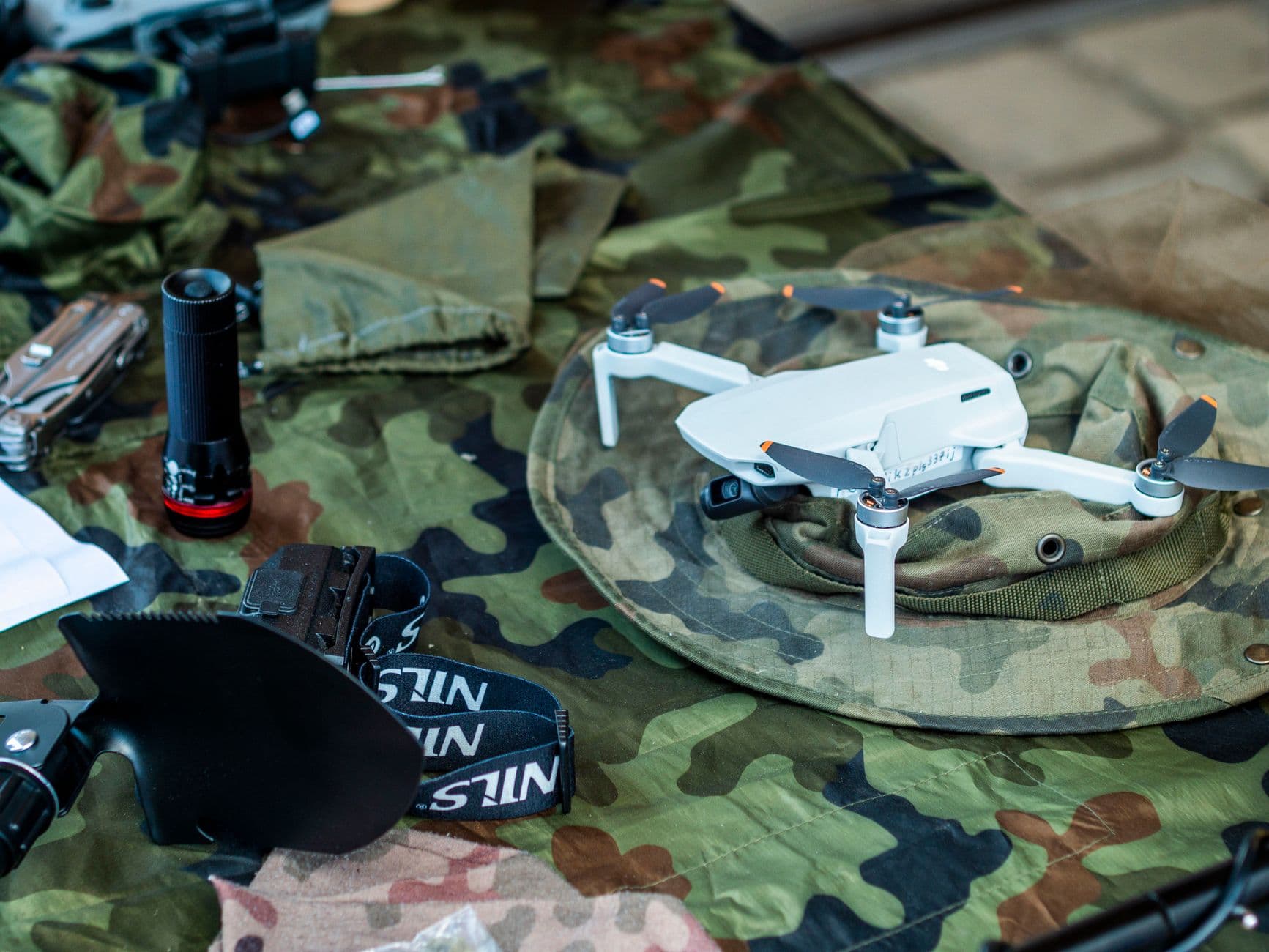
In spring 2026, the US military proceeded with a boarding operation on a Chinese vessel based on faulty analysis from an AI chatbot, advancing to the point of execution. Armed soldiers were standing by and aircraft were deployed overhead, but the error was discovered immediately before the operation began, and the crisis was averted. The information outputted by the AI—"nuclear weapon components are on board"—turned out to be false, revealed to be what is known as "hallucination," a phenomenon where AI generates incorrect information as if it were confirmed fact.
Hallucination is one of the representative challenges facing AI systems. Due to the mechanism by which AI generates answers from patterns in training data, it can output non-existent information or inaccurate content as if it were verified fact. While such errors may have limited impact in civilian business operations, in military and security domains, false information can lead directly to fatal judgment errors.
What this case reveals is that operational preparations proceeded without sufficient human verification of the intelligence analysis generated by AI. The fact that armed troops were deployed and aircraft were scrambled—concrete actions—suggests that no one questioned the accuracy of this information, or that there was no opportunity to do so. The error was discovered immediately before the operation was to commence, a situation that could not have been any closer to the brink.
This incident adds a new perspective to discussions of AI safety risks. The discourse on AI risks often focuses on scenarios of "highly advanced AI running out of human control and going rogue." However, this case highlights a different danger: the problem of "accidents resulting from the use of inadequate-performance AI without critical verification." This points not to a technological problem but to issues with human-side operational systems and decision-making processes.
AI adoption in the military domain is accelerating globally. The trend of nations leveraging AI for security purposes, aimed at expediting decision-making and improving information processing capabilities, is expected to continue. However, this case serves as a cautionary tale, demonstrating in the form of actual operational conduct the peril of treating AI output as "correct." It has underscored that "human oversight" mechanisms—how humans verify AI output and at what stage final judgments are made—are indispensable. Moving forward, the necessity to reconsider the design of entire judgment processes that rely on AI, in parallel with improvements in technological precision, is likely to gain prominence in future discussions.
Had this incident escalated into actual armed conflict, the consequences would have been immeasurable. Occurring at a sensitive moment in US-China relations, this case will be recorded as a significant instance demonstrating how great the "cost of malfunction" can be in military AI applications.
This article is an original work independently written and edited by the AI issue editorial team based on factual reporting. © AI issue. Unauthorized reproduction, redistribution, or use for AI training is prohibited.