District 9 Director Releases AI-Generated Short Film
Director Neill Blomkamp of 'District 9' has released 'Nightborne,' a 13-minute sci-fi horror short film created using the AI video generation model 'Seedance 2.0.' All scenes were generated by AI using only text instructions for direction. He has also established a new AI film studio called 'Barley Studios' and plans to produce full-length films.
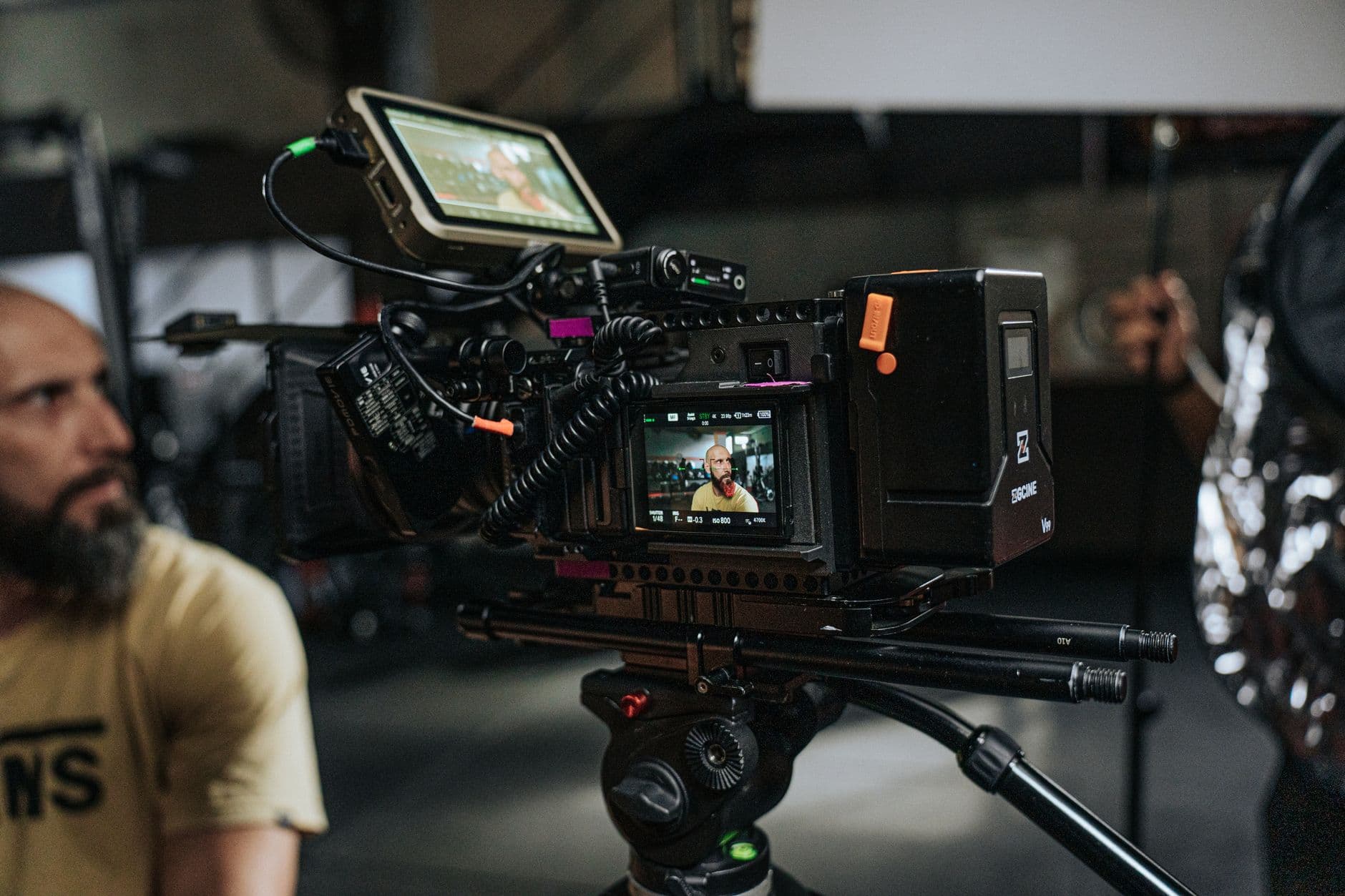
Filmmaker Neill Blomkamp, known for 'District 9,' has released 'Nightborne,' a 13-minute sci-fi horror short film produced using an AI video generation model. The film was created entirely using 'Seedance 2.0,' a video generation model developed by ByteDance, with all scenes generated by AI. The director completed the work using a technique that fundamentally differs from traditional filmmaking—directing shot-by-shot using text instructions (prompts).
Director Blomkamp also announced the establishment of a new AI film studio called 'Barley Studios.' The studio plans to leverage the experience gained from this short film to move forward with full-length feature film production as its next step.
AI video generation technology is a field experiencing rapid quality improvements in recent years. Compared to early technology that was limited to generating clips of just a few seconds, current systems are approaching a stage where multiple scenes can be produced consecutively to construct a narrative. The 13-minute runtime represents a milestone demonstrating that it is now technically possible to create a coherent storytelling experience using only AI-generated imagery.
The fact that a professional filmmaker like Blomkamp, who has worked with major studios and large film crews throughout his career, has fully embraced AI generation tools marks a turning point in the film production industry. Technology that can generate video through text instructions alone has the potential to fundamentally transform the concepts of cost and time in production.
On the other hand, significant questions remain about whether AI-generated imagery will achieve broad artistic and commercial acceptance. Discussions regarding impacts on numerous professions involved in filmmaking—actors, camera crews, production designers—continue worldwide, particularly in Hollywood, and this film release will be viewed within that context.
Key points to watch going forward are the content of the full-length film that Barley Studios plans to produce and what kind of reception it receives from audiences and the film industry. The progression from short-film experimentation to feature-length production can be viewed as a test of whether AI video generation can move beyond the stage of mere technological demonstration to become a viable commercial content option. The case is also expected to be widely referenced by industry professionals as evidence of how practical video generation models like Seedance 2.0 can function in professional production environments.
This article is an original work independently written and edited by the AI issue editorial team based on factual reporting. © AI issue. Unauthorized reproduction, redistribution, or use for AI training is prohibited.