 DoordashSep 22, 2026 05:27 UTC
DoorDash Automates Organization of 60,000 Feature Flags with AI
DoorDash has built an automated organization system that links multiple AI agents to manage over 60,000 feature flags across 623 repositories. In an evaluation of 50 cases, 45 generated usable pull requests, with an average processing time of 13.8 minutes and cost of $4.79 per flag.
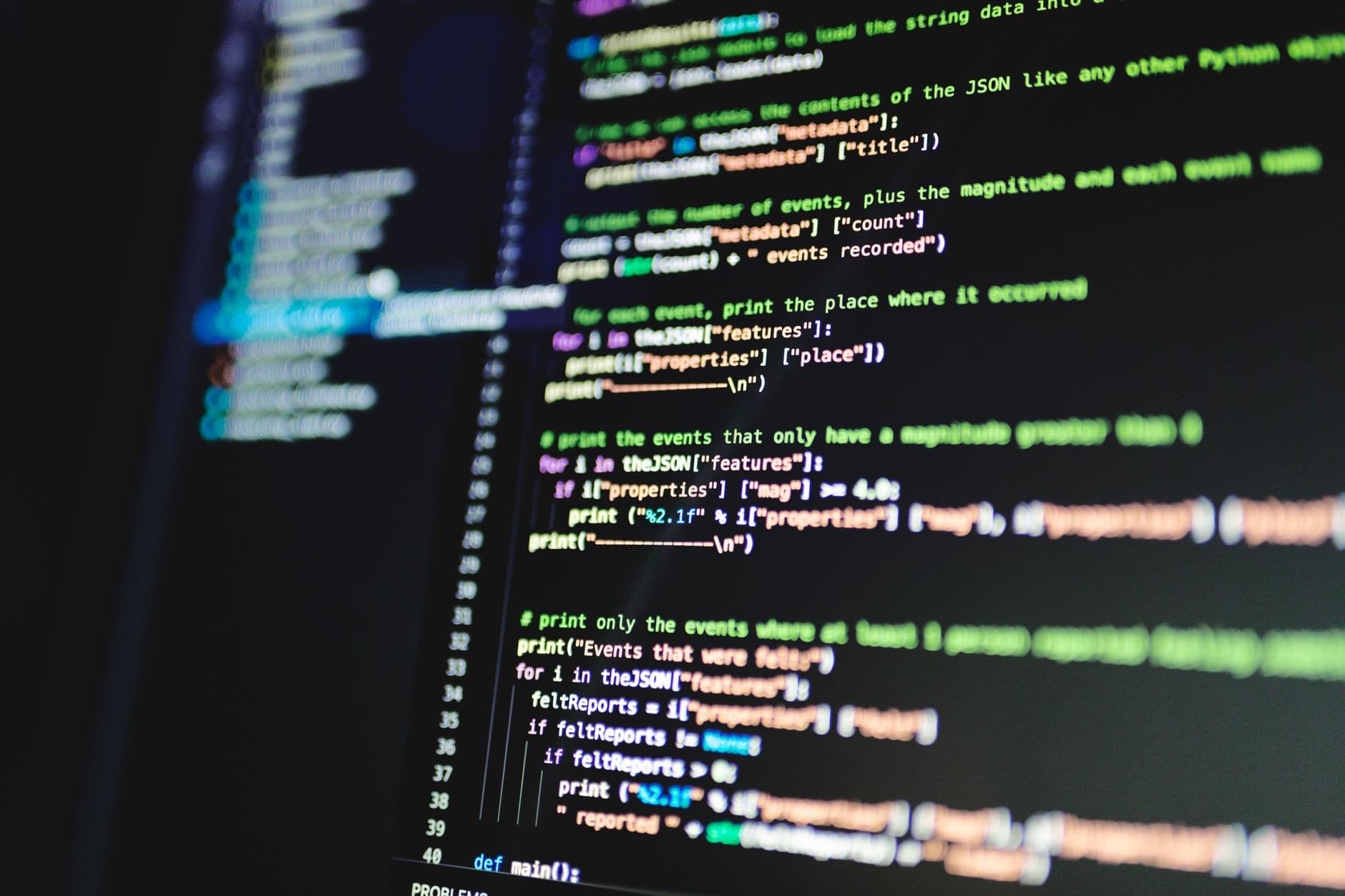
DoorDash, a major food delivery company, has disclosed efforts to automate a long-standing challenge in software development. The company has independently built a 'multi-agent LLM' system that links multiple AI agents, enabling automated cleanup of unnecessary code across over 60,000 'feature flags' and 623 repositories.
A 'feature flag' is a mechanism that switches new features on and off via a switch in the code. It allows new features to be deployed incrementally and quickly disabled if problems arise, which has led many software companies to widely adopt it. However, flags often remain in the code even after a feature's official release, making it difficult over time to determine 'which flags are still needed.' If left unaddressed, code complexity increases and maintenance costs grow—a persistent problem in development teams.
DoorDash's system operates by combining multiple processes. First, it uses MCP (Model Context Protocol: a standard specification for AI models to handle external tools and data) to acquire experiment operational data in real time and identify flags to be cleaned up. Next, after engineers approve the deletion targets, parallel agents modify the code in an isolated working environment called a 'Git worktree,' undergo automated validation, and create pull requests (code change proposals). The key feature is that the entire workflow can be processed with minimal human intervention.
In an evaluation targeting 50 flags, 45 successfully generated usable pull requests. The average time per flag was 13.8 minutes, with an average cost of $4.79. The success rate corresponds to 90%, indicating that both speed and cost have reached practical levels.
This effort is noteworthy because it demonstrates that AI agent applications are expanding beyond 'creating new features' to 'reducing existing code debt.' Technical debt in code—the accumulation of deferred cleanup and fixes—is widely recognized as a challenge that pressures engineering organization productivity over the long term. If AI can help resolve such debt, developers can focus more on essential design and feature development.
Furthermore, the architecture is rich with implications from a generalizability perspective. The design of combining parallel agents and automated validation while incorporating an engineer approval step can be applied to code maintenance tasks beyond feature flag cleanup. It represents a case study showing the transition of multi-agent applications from research and experimental use to actual development work.
DoorDash has disclosed the details of this system, making it a case study that could serve as a reference for other engineering organizations facing similar challenges. Going forward, key discussion points in actual operations will likely include how much automation can reduce human review and how to balance quality assurance with the design.
This article is an original work independently written and edited by the AI issue editorial team based on factual reporting. © AI issue. Unauthorized reproduction, redistribution, or use for AI training is prohibited.