 BytedanceJun 17, 2026 21:25 UTC
ByteDance Unveils 'Astra' for Autonomous Robots
ByteDance has unveiled 'Astra,' a dual-model architecture combining two models designed for autonomous robot navigation in complex indoor environments. The company states that Astra will improve autonomous mobility performance indoors.
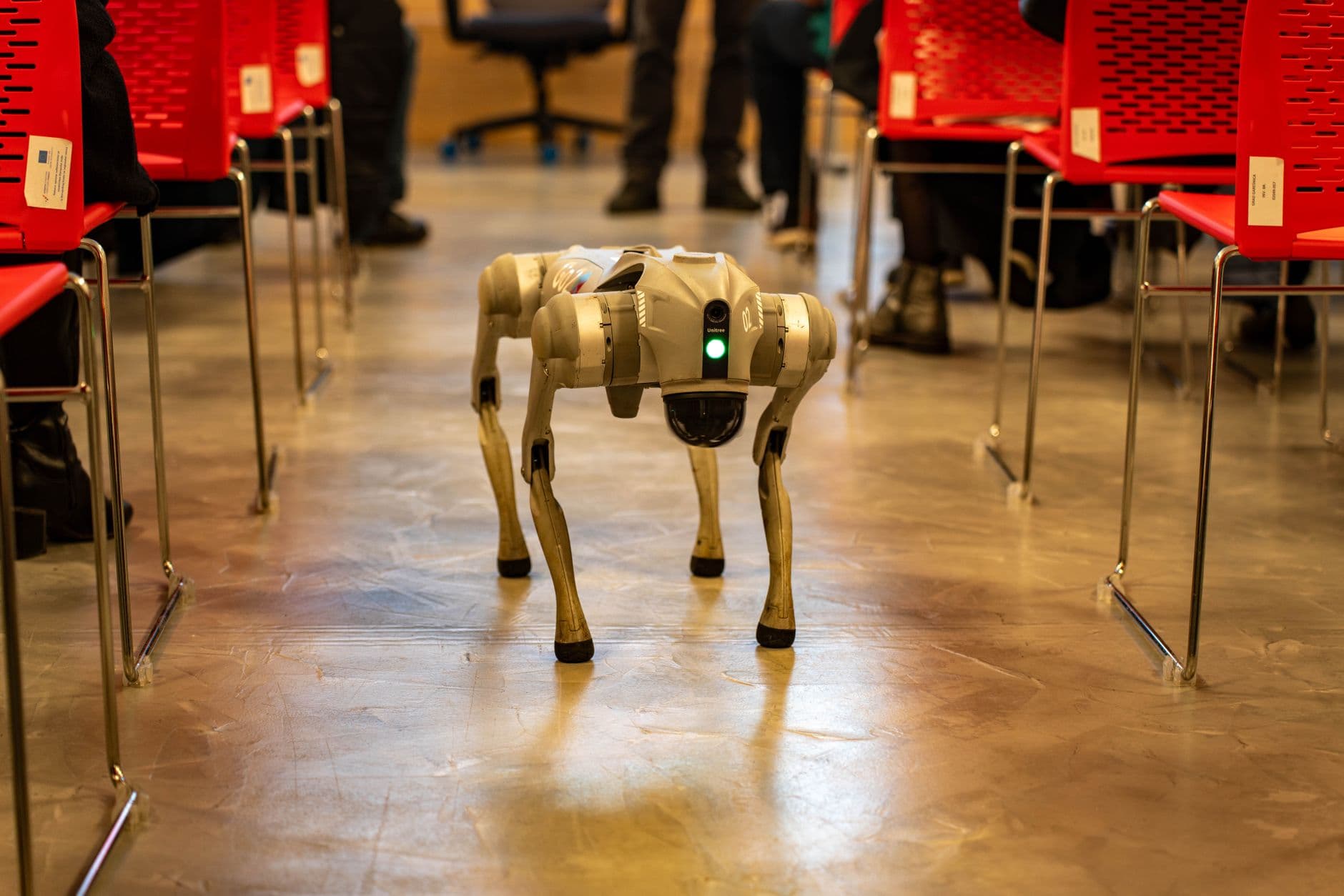
ByteDance has unveiled a new architecture called 'Astra' designed for autonomous robot navigation in indoor environments. Its defining feature is a 'dual-model architecture' that combines two models. Rather than relying on a single model to handle everything, two models with different roles work in concert to enable robots to move autonomously even in complex indoor spaces.
For robots to move independently indoors, they must perform various processes in real-time, such as obstacle avoidance and route planning. Indoor navigation has been considered one of the most challenging tasks in autonomous robot development because robots must immediately adapt to changes such as corridor corners, opening and closing doors, and human traffic. Astra addresses this challenge by distributing processing tasks between two models.
The dual-model design philosophy is, in simple terms, a mechanism of 'dividing labor by strengths.' One model handles environmental perception and situation assessment, while the other manages specific motion control. The goal appears to be achieving both processing efficiency and accuracy. ByteDance states that this architecture improves navigation performance in complex indoor environments.
While ByteDance has been known for consumer-facing services like TikTok, the company has recently been actively expanding its investment in AI research and technology development. The announcement of Astra exemplifies ByteDance's commitment to entering the robotics field in earnest. Indoor applications of autonomous robots are advancing in practical deployment across diverse sectors including logistics, healthcare, and security, and competition in technology development among companies is intensifying.
At present, specific information such as Astra's detailed technical specifications, results from proof-of-concept experiments, and the timeline for commercialization have not been disclosed. Further details are expected to emerge through research papers and technical blogs in the future.
This article is an original work independently written and edited by the AI issue editorial team based on factual reporting. © AI issue. Unauthorized reproduction, redistribution, or use for AI training is prohibited.