 FordJun 28, 2026 19:26 UTC
Ford Rehires Experienced Engineers After AI Implementation Failure
Major U.S. automaker Ford has been found to be rehiring experienced engineers it previously laid off, reconsidering its reduction of veteran staff based on the premise that AI implementation would improve manufacturing quality. The company's executives have acknowledged that AI adoption alone does not produce high-quality products and have reaffirmed the importance of human judgment.
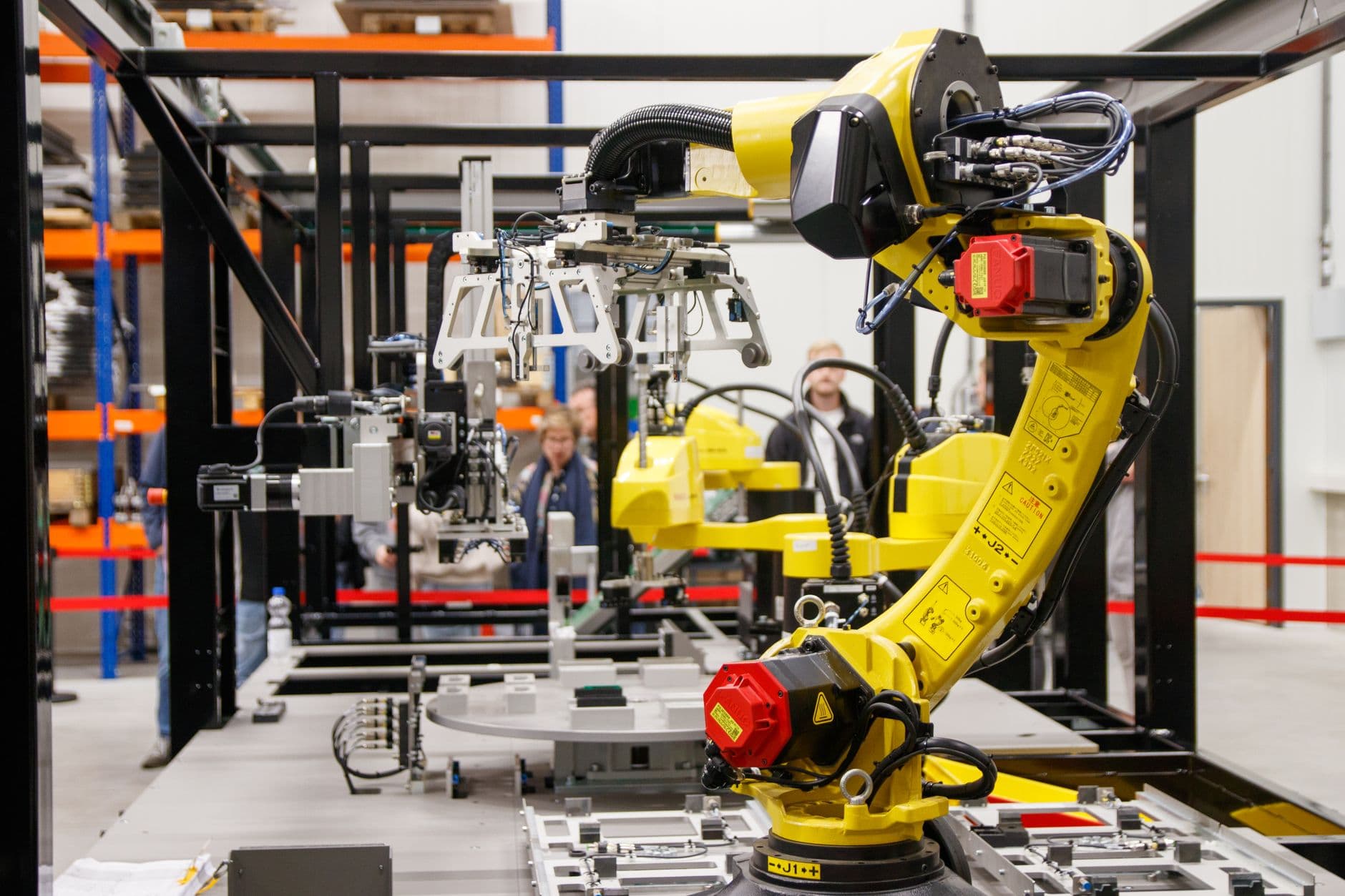
Major U.S. automaker Ford has been found to be rehiring experienced engineers it previously laid off. The company expected that implementing artificial intelligence in its manufacturing processes would automatically improve quality, but this expectation was not met. The company determined that human judgment backed by years of experience remains essential to address the complex challenges facing manufacturing operations.
In recent years, the automotive industry has accelerated the adoption of AI and automation technologies aimed at reducing manufacturing costs and improving efficiency. Ford followed this trend, proceeding with reductions in veteran engineers and transitioning to AI tools. This "human-to-AI" replacement represents a broader tendency spreading throughout the manufacturing sector, and Ford's decision serves as a representative example.
However, Ford's executives acknowledged that their underlying premise was flawed. They stated: "We believed that implementing AI alone would produce high-quality products, but that was a mistake," formally recognizing that AI alone has limitations in maintaining product quality. The rehired employees are veteran technical experts known in the industry as "gray beards," individuals possessing extensive practical experience.
This development demonstrates that while generative AI and machine learning technologies are advancing rapidly, they cannot replace all the knowledge and judgment required in manufacturing environments. Particularly in fields like automotive manufacturing that demand precision and complexity, AI serves merely as a tool to supplement human experience and cannot independently guarantee quality by itself. Ford's case concretely illustrates the challenges that arise when technology adoption decisions become disconnected from on-site realities.
The risk posed by overconfidence in AI technology extends beyond Ford. In fields such as manufacturing, healthcare, and finance where specialized knowledge directly impacts quality, companies must accurately assess the capabilities of AI before designing implementation plans. Ford's decision to rehire represents a case study that reassesses the division of roles between AI and humans, offering certain insights to the broader industry.
The key point to watch going forward is how the company will combine and operate veteran engineers with AI tools. Will a hybrid approach that complementarily leverages human experience and AI processing power emerge as a practical solution in manufacturing? Ford's efforts may serve as one model case that stimulates discussion within the industry.
This article is an original work independently written and edited by the AI issue editorial team based on factual reporting. © AI issue. Unauthorized reproduction, redistribution, or use for AI training is prohibited.