 DeepmindAug 9, 2026 23:25 UTC
Google DeepMind Releases AI Model for Humanoid Robots
Google DeepMind has released an AI model called 'Gemini 2' designed for humanoid robots. The company describes this initiative as a step forward toward 'physical AGI,' though ensuring safety and real-world deployment remain significant challenges.
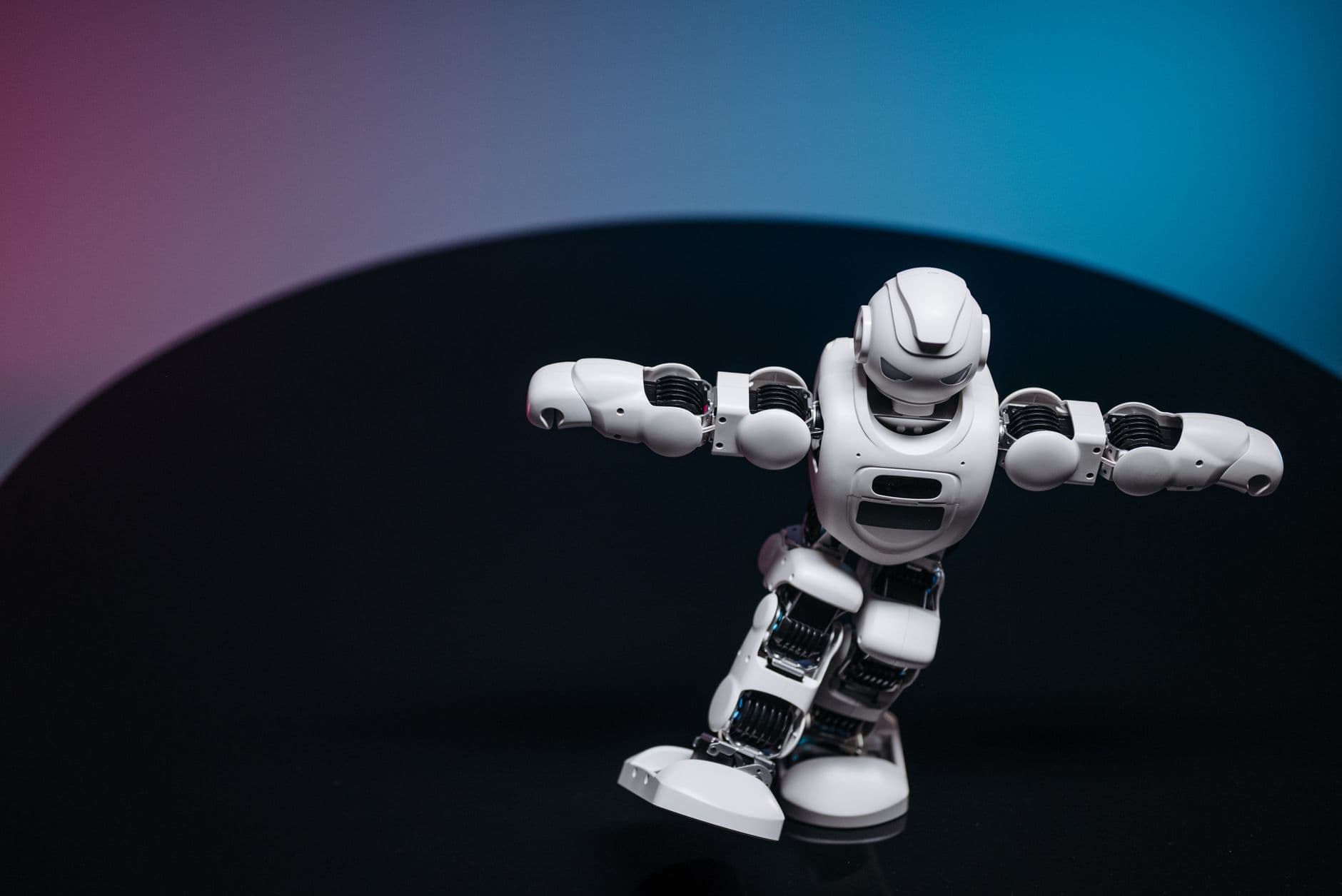
Google DeepMind has newly released an AI model called 'Gemini 2' designed for humanoid robots. The company positions this initiative as a step forward toward realizing 'physical AGI (Artificial General Intelligence),' demonstrating part of its research into embedding AI not only in the digital world but also in robots that move in physical space.
AGI refers to the concept of a general-purpose AI capable of performing intellectual tasks equal to or surpassing human capabilities, and the entire industry continues to compete in its development. Google's use of the term 'physical AGI' indicates a direction toward enabling robots to move and make decisions like humans in real-world environments, rather than pursuing AI intelligence solely through software. The integration of AI into humanoid robots is a field where applications are expected in manufacturing, care services, and logistics, with many technology companies and research institutions increasingly participating in recent years.
The newly released model is based on Gemini 2, the latest generation of the Gemini series, designed for humanoids. Google explains that this model will be utilized for robot control and environmental perception. However, detailed technical specifications such as specific performance metrics and compatible robot models have not been disclosed at this point.
Nevertheless, Google simultaneously acknowledges that safety and real-world deployment remain significant challenges. For robots to operate safely and stably in actual environments, verification beyond laboratory or controlled settings is essential. At the current stage, humanoid AI remains heavily in the research phase, and full-scale deployment in everyday operational settings will likely take considerable time.
This announcement is positioned within a broader shift where the primary focus of AI technology is expanding from 'understanding and generating language' models to robots acting in the physical world. OpenAI and Meta are also advancing investments and research in embodied AI, and Google's current move can be seen as part of this competitive landscape. As companies deepen their involvement in humanoid AI, the establishment of safety standards is becoming an even more critical focus than the maturity of the technology itself.
What will be noteworthy going forward is how the industry addresses safety challenges and enables the transition from research to practical implementation stages. Now that Google has set the ambitious goal of 'physical AGI,' validation of whether robots can behave safely even in unexpected situations must proceed in parallel with improving model precision. For the industry as a whole, the establishment of safety standards and verification processes will become an indispensable element for the social adoption of humanoid AI alongside technological advances.
This article is an original work independently written and edited by the AI issue editorial team based on factual reporting. © AI issue. Unauthorized reproduction, redistribution, or use for AI training is prohibited.