 FlipkartJun 24, 2026 01:22 UTC
Flipkart Exceeds 1,000 Ultra-Fast Delivery Hubs
Flipkart, the major Indian e-commerce company backed by Walmart, announced that its ultra-fast delivery hubs called 'Micro-fulfillment Centers' have exceeded 1,000 locations. Amazon is also strengthening its quick commerce operations in the Indian market, intensifying competition between the two companies.
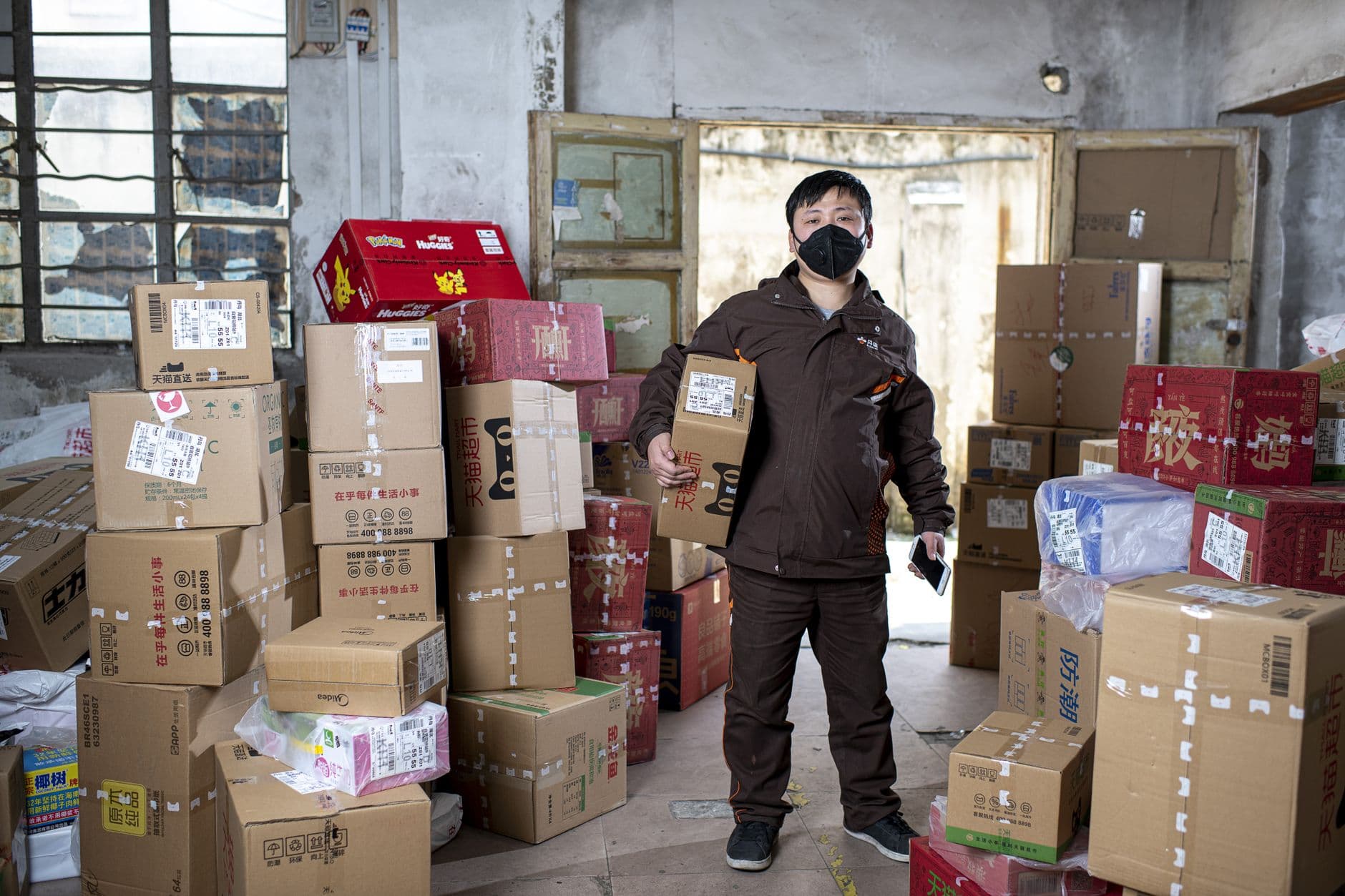
Flipkart, the major Indian e-commerce company backed by Walmart, has expanded its network of 'Micro-fulfillment Centers' that support ultra-fast delivery (a service that delivers products within minutes of ordering) to over 1,000 locations. These micro-fulfillment centers are small inventory storage and fulfillment facilities established near residential and commercial areas, serving as key infrastructure for significantly reducing delivery times.
The attention this move has garnered stems from the rapidly intensifying competition over quick commerce in India's e-commerce market. Competing Amazon is also strengthening its quick commerce initiatives in the Indian market, making the direct confrontation between Flipkart and Amazon in the same domain increasingly clear. India has a large population with a young demographic, and as smartphone penetration rates rise, online shopping habits are quickly becoming established, creating a market environment where demand for instant delivery services is likely to grow.
Since its acquisition by Walmart, Flipkart has focused on strengthening logistics infrastructure within India. The figure of over 1,000 hubs demonstrates a scale that covers not just urban areas but relatively wide regions, suggesting Flipkart's intention to expand the geographic scope of its quick commerce services. Meanwhile, Amazon is also expanding its own network, and competition between the two companies in hub expansion is expected to continue for the foreseeable future.
Quick commerce as a business model leverages the convenience of 'delivering what you need right now' with a focus on groceries and daily necessities. To achieve this, it is essential to maintain numerous small hubs near consumers' living areas, and expanding the number of hubs directly translates to competitive advantage. Flipkart surpassing the 1,000-hub milestone is not merely an accumulation of numbers but should be positioned as an indicator demonstrating tangible progress in infrastructure for nationwide service deployment across India.
Key points of interest going forward are how hub expansion translates to actual improvements in delivery speed and quality, and how competition between Amazon and Flipkart will further drive the overall adoption of quick commerce in the Indian market. If delivery speed and reliability, beyond price and product selection, become determining factors in consumer choice, investment in logistics infrastructure will emerge as the main competitive battlefield. In India's e-commerce market, the next focal point can be said to be at a stage where the emphasis is shifting from 'scaling up' to 'balancing quality and speed'.
This article is an original work independently written and edited by the AI issue editorial team based on factual reporting. © AI issue. Unauthorized reproduction, redistribution, or use for AI training is prohibited.