 Hugging FaceSep 5, 2026 03:20 UTC
Hugging Face Launches Walking Robot for $399
Hugging Face has launched a small robot with walking capabilities and programmable control for $399. Following the Reachy Mini released in 2025, this duck-inspired product marks the company's second desktop robot.
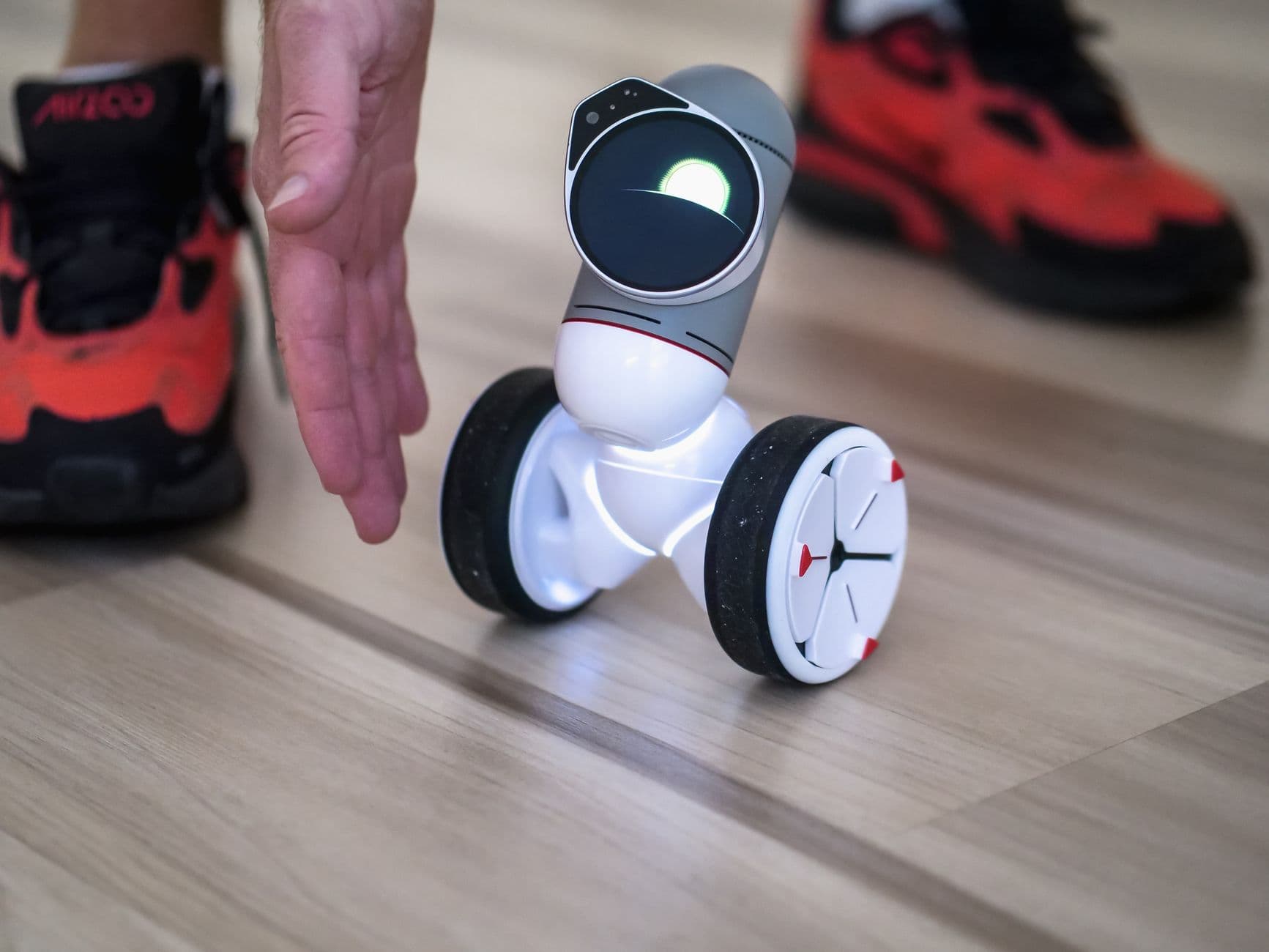
Hugging Face, known as a platform for artificial intelligence tools, has launched a small walking robot for $399 (approximately 60,000 yen). Modeled after a duck, this robot is designed to have its movements controlled by programs, and represents the company's second desktop robot following the Reachy Mini released in 2025.
Hugging Face was originally widely known as a company providing a platform for sharing AI models and datasets. In recent years, it has expanded its business beyond software into the physical robotics space, and this product represents a step further in that direction. The commitment to linking the outcomes of AI research and development to hardware that operates in the real world has been consistent since the launch of Reachy Mini.
The robot released this time features autonomous walking capabilities, and is characterized by the ability for users to program and customize its movements themselves. Priced at $399, it is set at a level accessible to individuals and educational institutions, compared to industrial robots and research robots that tend to be expensive. The "desktop robot" category refers to a group of small and lightweight products that can be placed on a desk and used, and Hugging Face has now deployed two products in this field.
The attention to this move is backed by the industry-wide trend of accelerating convergence between AI technology and robotics. The advancement of large language models and image recognition technology has rapidly enhanced the "brain" part that enables robots to understand their surroundings and operate accordingly. Since Hugging Face has functioned as a hub for such technological accumulation, its involvement in robotic hardware can be seen as having a certain inevitability.
The accessibility of the price point is significant in that it can be an option not only for researchers and developers, but also for students wanting to learn robot programming and educational institutions. The programmable design appears intended to make it easier for purchasers to reflect their ideas and experiments in the robot. It can also be read as Hugging Face, which has a culture of open software communities, attempting to bring a similarly open approach to hardware.
Future focus is expected to be on how this robot interfaces with Hugging Face's software platform and what programs and use cases the community develops. If attempts to link AI models to actual robot operations expand, the potential of the desktop robot market itself may come into question. Continued attention will be needed on how far Hugging Face will expand its product lineup in this field.
This article is an original work independently written and edited by the AI issue editorial team based on factual reporting. © AI issue. Unauthorized reproduction, redistribution, or use for AI training is prohibited.