 NorthropgrummanAug 13, 2026 09:23 UTC
Space Robot Attaches Thruster to Aging Satellite
Northrop Grumman's space robotic vehicle, Mission Robotic Vehicle (MRV), is attempting for the first time in the world to attach a new thruster to an aging satellite in space. This effort to extend satellite lifespan on orbit could lead to reduced re-launch costs and more sustainable maintenance of space infrastructure.
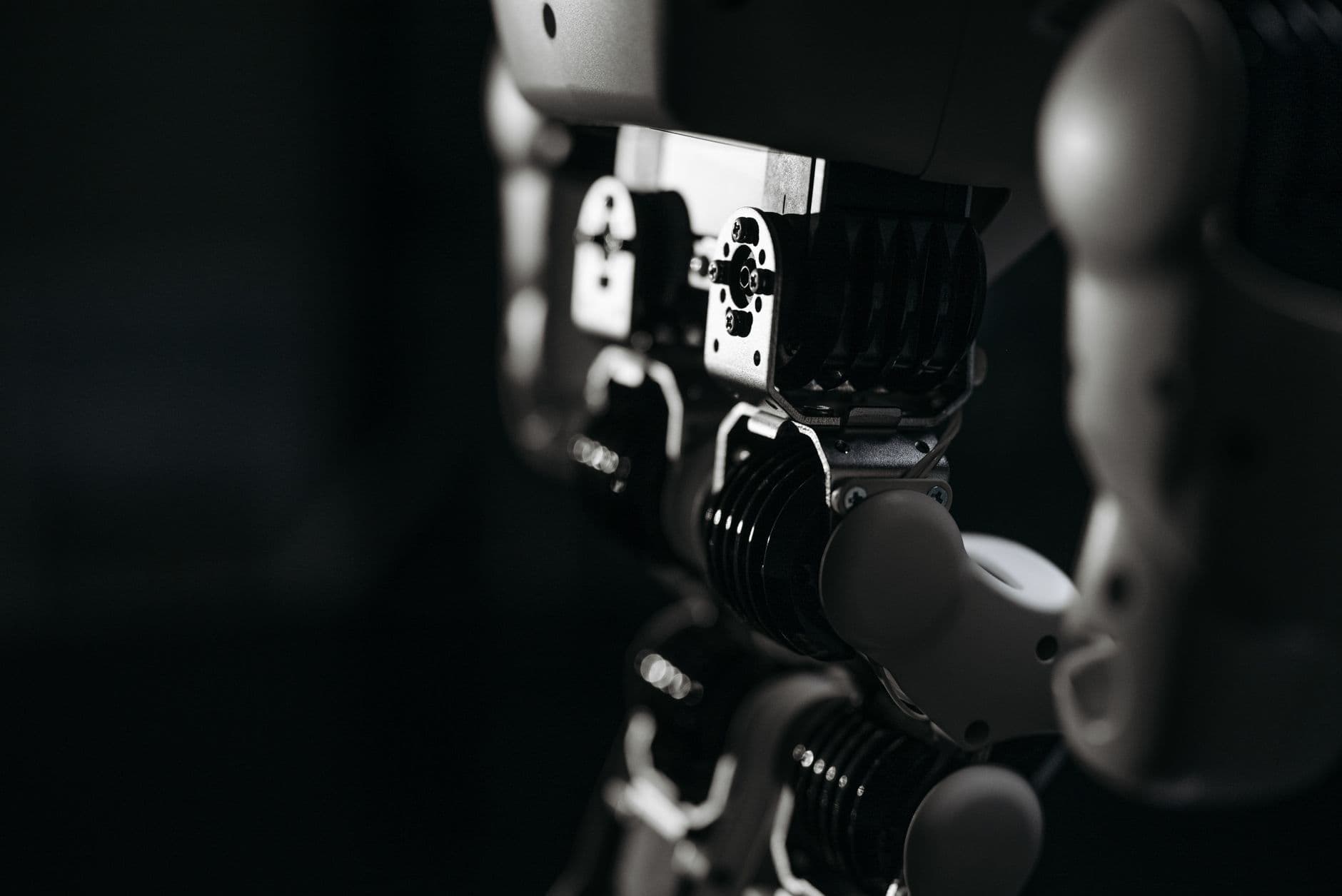
Efforts to extend satellite lifespan in space have entered a new phase. Northrop Grumman's space robotic vehicle, Mission Robotic Vehicle (MRV), is attempting for the first time in the world to attach a new thruster—a propulsion device—to an aging satellite. This represents a new initiative in space infrastructure maintenance, where robots perform "repair and refurbishment" work on orbit, tasks that were previously possible only on Earth.
Satellites have a finite lifespan. Historically, when fuel was depleted or equipment degraded, operations would typically end with the satellite being decommissioned or deorbited. Because launching new satellites requires substantial cost and time, finding ways to extend the operational life of existing satellites has long been a challenge for the entire space industry. Against this backdrop, the concept of on-orbit servicing and maintenance has recently gained attention.
The MRV is precisely the vehicle developed to realize this "on-orbit servicing." In this mission, the MRV aims to extend an aging satellite's operational period by externally attaching a new thruster to a satellite whose fuel and thrusters are near their limits. Performing precise docking operations in weightless space using robotic arms and other tools on a target object moving at high speed and rotating represents a first in the history of on-orbit servicing.
The technical challenges are incomparable to repairs conducted on Earth. In an environment with no gravity where the target object is moving at high speed and rotating, robots must make accurate contact and secure attachment to another vehicle—requiring both precise control technology and advanced sensing capabilities. The success or failure of this mission will have implications for the entire on-orbit servicing market going forward.
This development is significant beyond a single mission because it carries broader industrial implications. If robotic on-orbit servicing becomes practical, satellite operators will be able to maintain their assets without resorting to expensive re-launches. Considering that many services supporting our daily lives—telecommunications, weather observation, positioning—depend on satellites, the economic and social impact cannot be understated.
Autonomous robotic technology in space is positioned not merely for satellite servicing, but as a technical field with future applications to space station maintenance and deep space exploration. The thruster installation work by MRV represents the first step and serves as a touchstone that the industry is closely watching. The outcome of this work and the detailed results reported will become the focus going forward.
This article is an original work independently written and edited by the AI issue editorial team based on factual reporting. © AI issue. Unauthorized reproduction, redistribution, or use for AI training is prohibited.