 SpacexAug 8, 2026 13:36 UTC
SpaceX and Tesla to Build $16.8 Billion Chip Manufacturing Facility in Texas
SpaceX and Tesla announced plans to jointly build a semiconductor chip manufacturing facility in Texas with a total investment of $16.8 billion. Called 'TeraFab,' the facility is designed to supply chips for AI processing, robotics, and space-based data centers, marking a significant move by companies under Elon Musk's leadership to strengthen in-house semiconductor procurement.
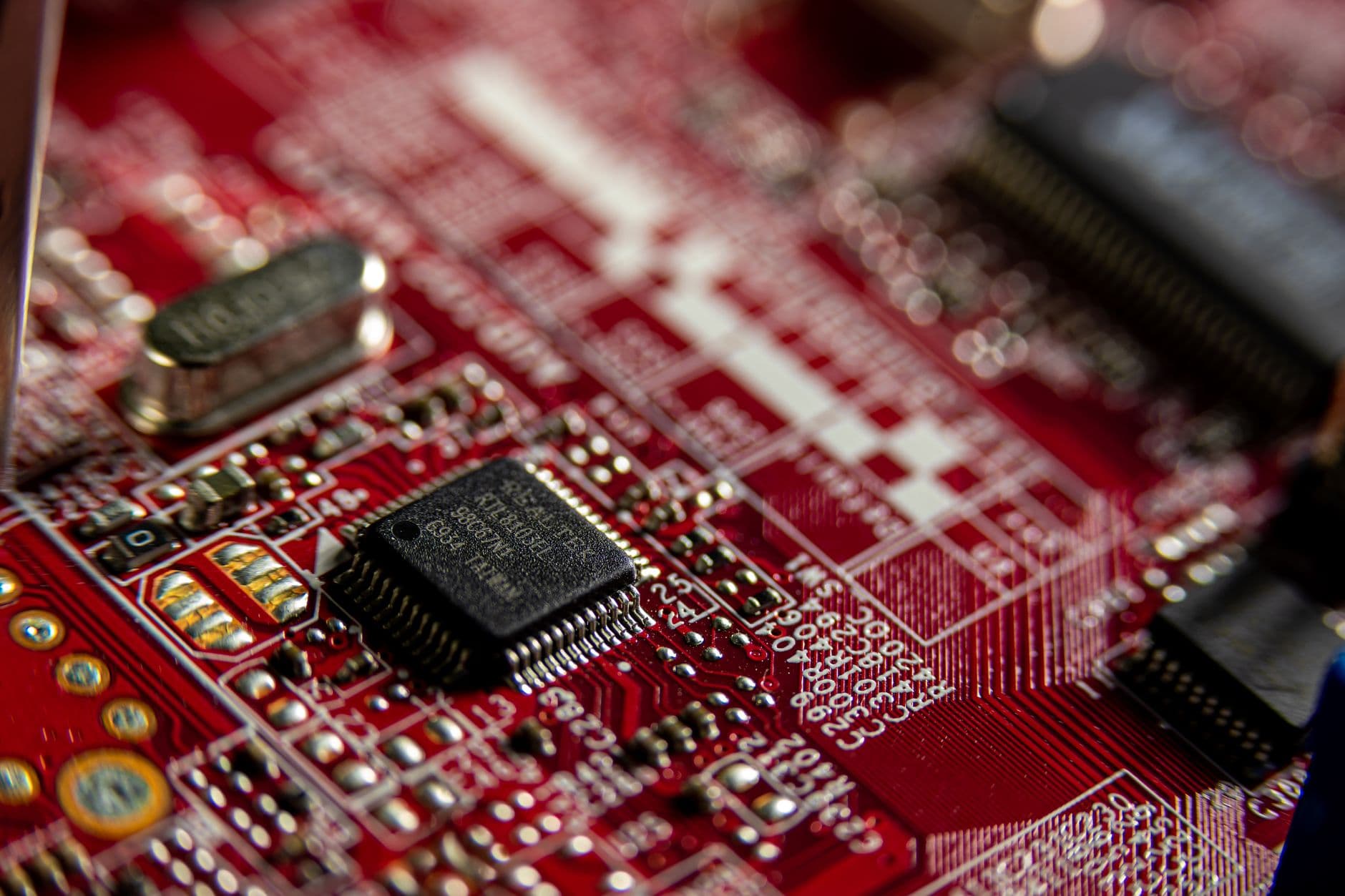
SpaceX and Tesla, led by Elon Musk, announced plans to jointly build a semiconductor chip manufacturing facility in Texas. The total investment will reach $16.8 billion, and this facility, called 'TeraFab,' is planned as a hub to supply chips for AI processing and space and robotics applications.
The background to this move lies in the chronic shortage of semiconductors surrounding AI development. Training and operating large-scale AI models requires enormous computational processing, and securing chips to support this has become a critical issue for companies. Many tech companies are moving to reduce their dependence on major chip makers by securing their own production capacity, and Musk's two companies are positioned within this trend.
SpaceX and Tesla are seeking to procure chips for AI processing, robotics control, and data centers deployed in space. In particular, the concept of a space-based data center appears to aim for a new computing infrastructure independent of terrestrial infrastructure, and there is a possibility that coordination with SpaceX's satellite communications network 'Starlink' is also under consideration. For Tesla too, stable procurement of specialized chips is an essential task toward mass production of autonomous machines such as the humanoid robot 'Optimus.'
The factory will be built in Texas. In recent years, the state has increased its presence in the United States as a destination for manufacturing and semiconductor-related investment, with advantages in tax policies and land costs attracting companies. SpaceX has also relocated its headquarters to Texas, giving the company geographic advantages at this location.
If this plan is realized, the companies under Musk's leadership will move one step closer to a system of vertical integration from procurement to manufacturing of semiconductors. The goal of mitigating dependence on NVIDIA, which holds the lead in AI chips, and building an independent supply chain makes sense from a long-term competitiveness perspective. However, semiconductor manufacturing is an industry with high barriers to entry across equipment, materials, and human resources, and it is necessary to monitor whether the factory will operate as planned.
The move toward in-house chip manufacturing is not limited to Musk's companies. Major tech companies are successively investing capital in developing and manufacturing proprietary AI chips, and the semiconductor industry is now entering a landscape where established makers and new entrants are entangled. Whether the SpaceX and Tesla alliance can achieve a certain level of competitiveness in this process will be re-evaluated when the scale of factory operations and technological standards become clear.
The investment scale of $16.8 billion represents a significant level for private sector manufacturing investment alone. The concept of supporting three growth areas—AI, space, and robotics—with a single factory is expected to attract attention both within and outside the industry as an indicator of the direction in which Musk's business group intends to move forward.
This article is an original work independently written and edited by the AI issue editorial team based on factual reporting. © AI issue. Unauthorized reproduction, redistribution, or use for AI training is prohibited.