Google and Meta Release PyTorch Backend for TPU
Google and Meta unveiled TorchTPU as open source at the PyTorch Conference North America 2026, a backend that enables PyTorch to run natively on Google TPUs. Meta demonstrated plans to migrate large-scale LLM workloads to TPUs using TorchTPU, while AWS simultaneously released TorchNeuron for Trainium during the same period.
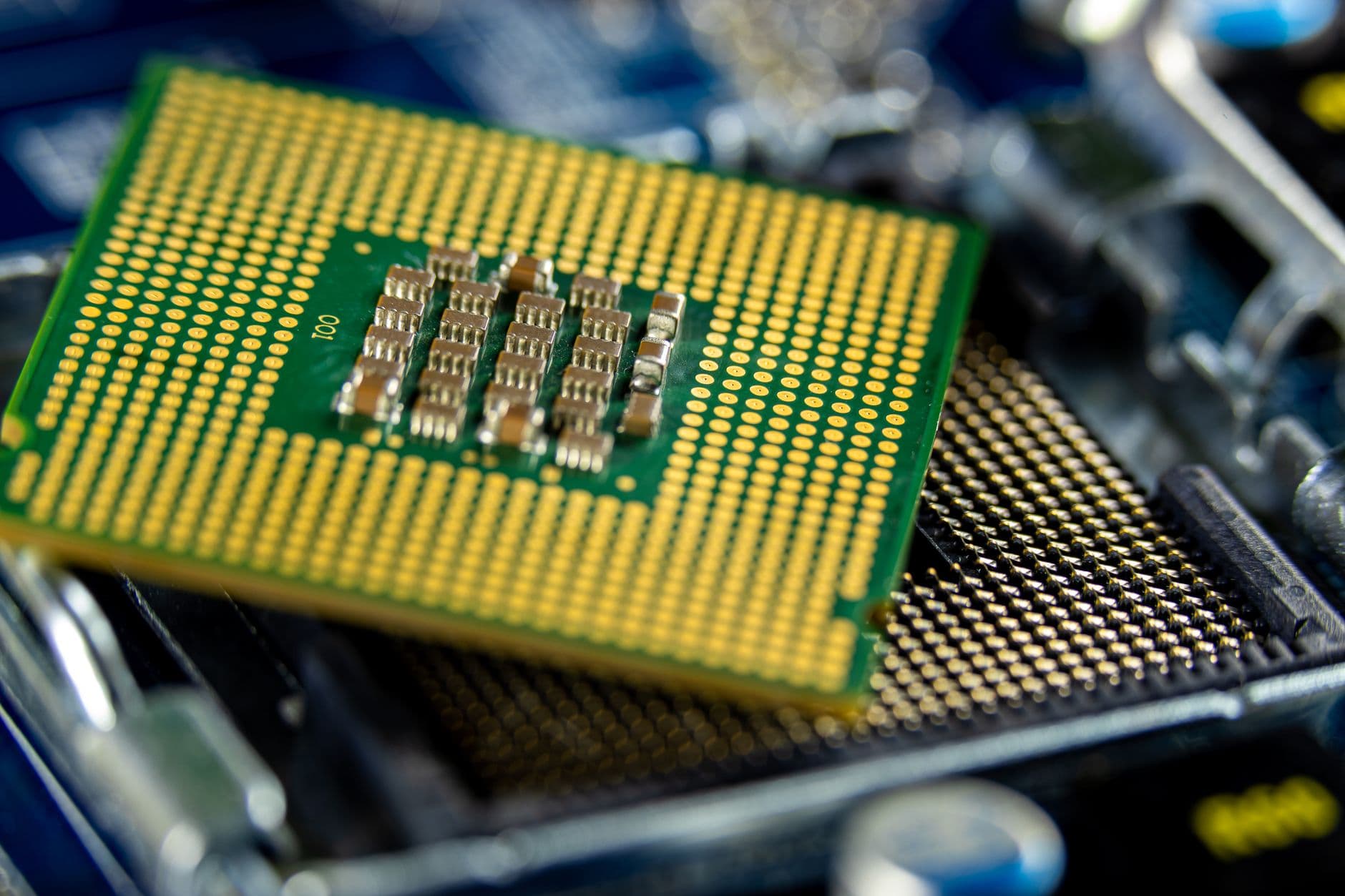
Google and Meta unveiled TorchTPU as open source at the PyTorch Conference North America 2026. TorchTPU is a backend that enables PyTorch to run natively on Google's TPU (Tensor Processing Unit), simplifying the development workflow that previously required separate conversion or bridging tools.
PyTorch is a machine learning framework originating from Meta and is widely used among researchers and developers. Meanwhile, TPU is a proprietary chip developed by Google for its own AI processing needs. Historically, it has had high compatibility with Google's proprietary frameworks such as JAX and TensorFlow, creating certain barriers for PyTorch users. The release of TorchTPU can be viewed as an effort to bridge that gap.
Meta announced at the conference plans to leverage TorchTPU to migrate larger-scale Large Language Model (LLM) workloads to TPUs. During the same period, AWS also released TorchNeuron for Amazon's proprietary AI chip, Trainium, coinciding with major cloud providers simultaneously deepening their PyTorch integration efforts.
However, voices from the developer community have raised questions about TPU's practical accessibility and expressed concerns about vendor lock-in with specific hardware. While TorchTPU's release as open source enhances transparency, actual access to TPUs remains heavily dependent on Google's cloud services, making this a continued area of concern.
This development reflects a broader shift in AI hardware competition from focusing solely on chip performance to encompassing ecosystem development. Ensuring compatibility with PyTorch, a de facto standard framework, has become a critical factor in attracting developers to proprietary infrastructure. The fact that both Google and AWS launched PyTorch-compatible solutions at nearly the same time underscores the intensity of this competition.
From the developer perspective, the expanded availability of options to run familiar PyTorch code on TPUs or Trainium offers practical benefits. However, as support for multiple hardware platforms increases, the complexity of choosing which environment to use also grows. Whether vendor lock-in concerns are truly addressed will ultimately depend on accumulated operational experience and ease of use.
This article is an original work independently written and edited by the AI issue editorial team based on factual reporting. © AI issue. Unauthorized reproduction, redistribution, or use for AI training is prohibited.