 xAIJul 9, 2026 01:24 UTC
xAI Releases Grok 4.5, Specialized for Coding
xAI announced Grok 4.5 in 2025, a model specialized and trained for coding and AI agents. With input priced at $2 per million tokens, third-party evaluation found the cost per task to be approximately 90% cheaper than competing top-tier models. Co-trained with Cursor, it represents the first tangible outcome of the company's recently completed acquisition for approximately $60 billion.
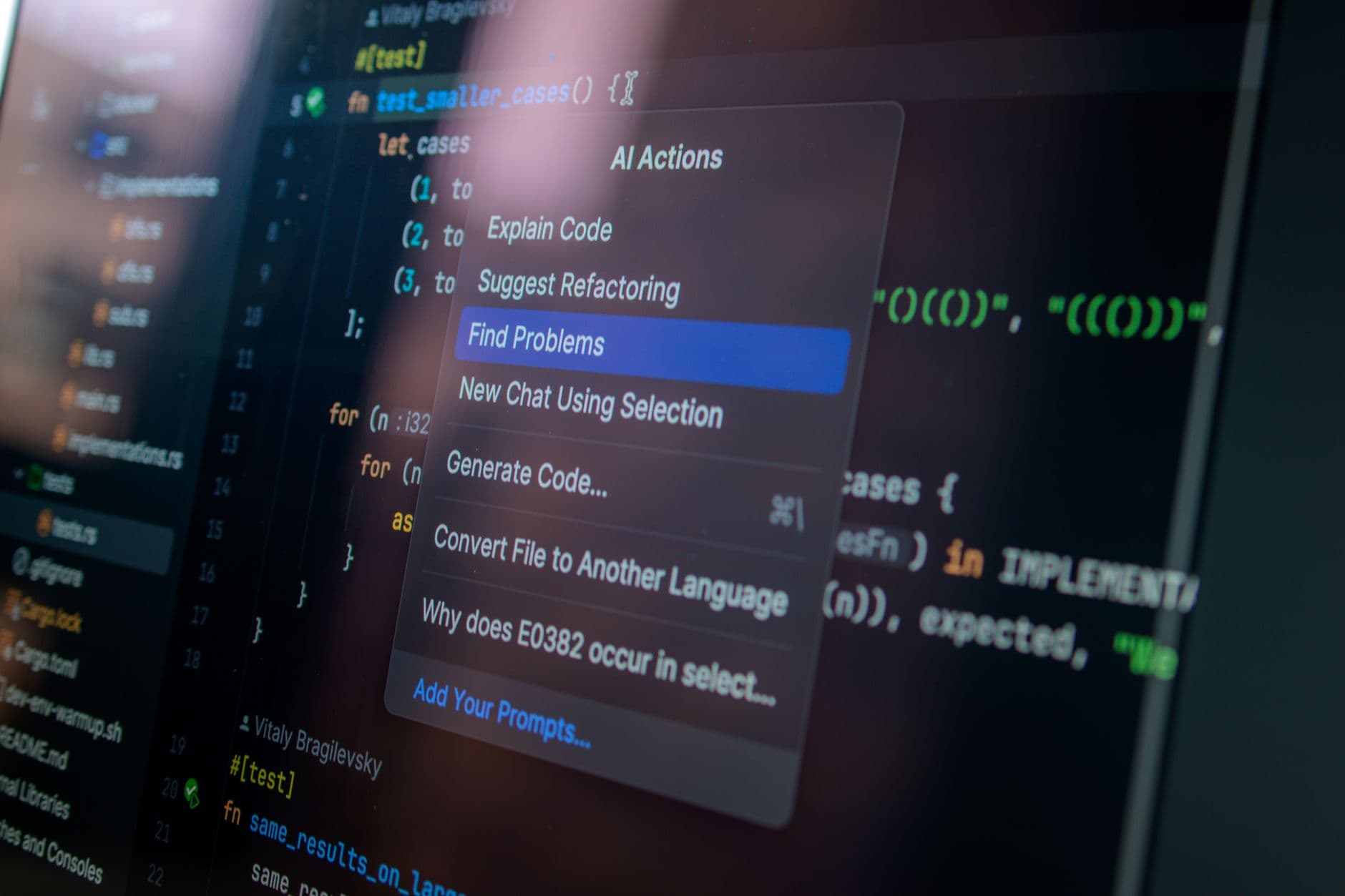
xAI, led by Elon Musk, announced Grok 4.5, a new model specifically trained for coding and AI agents. This marks the first model from the company to explicitly target this use case for training. The company also revealed it was co-trained with the developers of Cursor, an AI coding tool whose acquisition was completed for approximately $60 billion a few weeks earlier.
This release demonstrates part of the vertical integration strategy for the AI industry that Musk has been building over the past six months. As the company establishes a system that consolidates hardware, software, and development tools within its own group, the Cursor acquisition is viewed as a symbolic move. Grok 4.5 becomes the first concrete outcome of this strategy.
In terms of performance, xAI chose to emphasize cost and speed rather than claiming to be "world-class." Pricing is set at $2 per million input tokens and $6 per million output tokens. The company also explained that token usage per task is suppressed to approximately half that of equivalent-class models, emphasizing cost efficiency. Musk himself noted in a post on X: "Capability is roughly equivalent to Anthropic's Opus 4.7 but far faster. The combination of capability, speed, and cost is the source of competitive advantage. We pursue real-world utility, not benchmarks."
Third-party evaluation also supported this strategy. Artificial Analysis, a benchmarking specialist, ranked Grok 4.5 fourth on its proprietary metric "GDPval-AA v2" targeting real-world agent tasks. While not ranked first, the company calculated that the cost per task is $0.49, approximately 90% cheaper than top-tier models. It was assessed to occupy the "Pareto frontier" from the perspective of balancing performance and cost-effectiveness.
This figure could significantly impact actual adoption decisions. AI agents are systems that operate autonomously over minutes to hours—reading code, calling tools, and repeating processes—rather than responding each time a human provides an instruction. This mode of operation consumes large volumes of tokens, the units of text that AI processes, so cost differences directly translate into operational expenses. For enterprises deploying agents across development organizations with hundreds of staff, a 90% cost reduction becomes a factor that cannot be ignored.
The relationship with the Cursor acquisition is also noteworthy. Since xAI announced co-training with Cursor, the intent to raise its presence in the developer tools market is evident. Cursor is a widely-used tool among developers for code completion and auto-generation features, and by transitioning its foundation model to xAI's version, the company could integrate user base, data, and the model improvement cycle as a unified whole.
Whether Grok 4.5 gains broad adoption depends on real-world evaluation in development environments. In coding use cases where the "feel" of actually using it matters more than benchmark rankings, long-term adoption is determined not only by price competitiveness but also by output quality and error rates. How Anthropic and OpenAI, among other leading competitors, respond on both pricing and feature fronts will be a key point to watch for future industry trends.
This article is an original work independently written and edited by the AI issue editorial team based on factual reporting. © AI issue. Unauthorized reproduction, redistribution, or use for AI training is prohibited.