 Neura-roboticsJul 28, 2026 09:22 UTC
Neura Robotics to Open Robot Training Facility
German robotics company Neura Robotics announced plans to establish a new artificial intelligence training facility for robots in collaboration with RWTH Aachen University of Technology. The new facility will join the company's already-operating global training data collection network and serve as a hub supporting the development of Physical AI—artificial intelligence for robots operating autonomously in physical space.
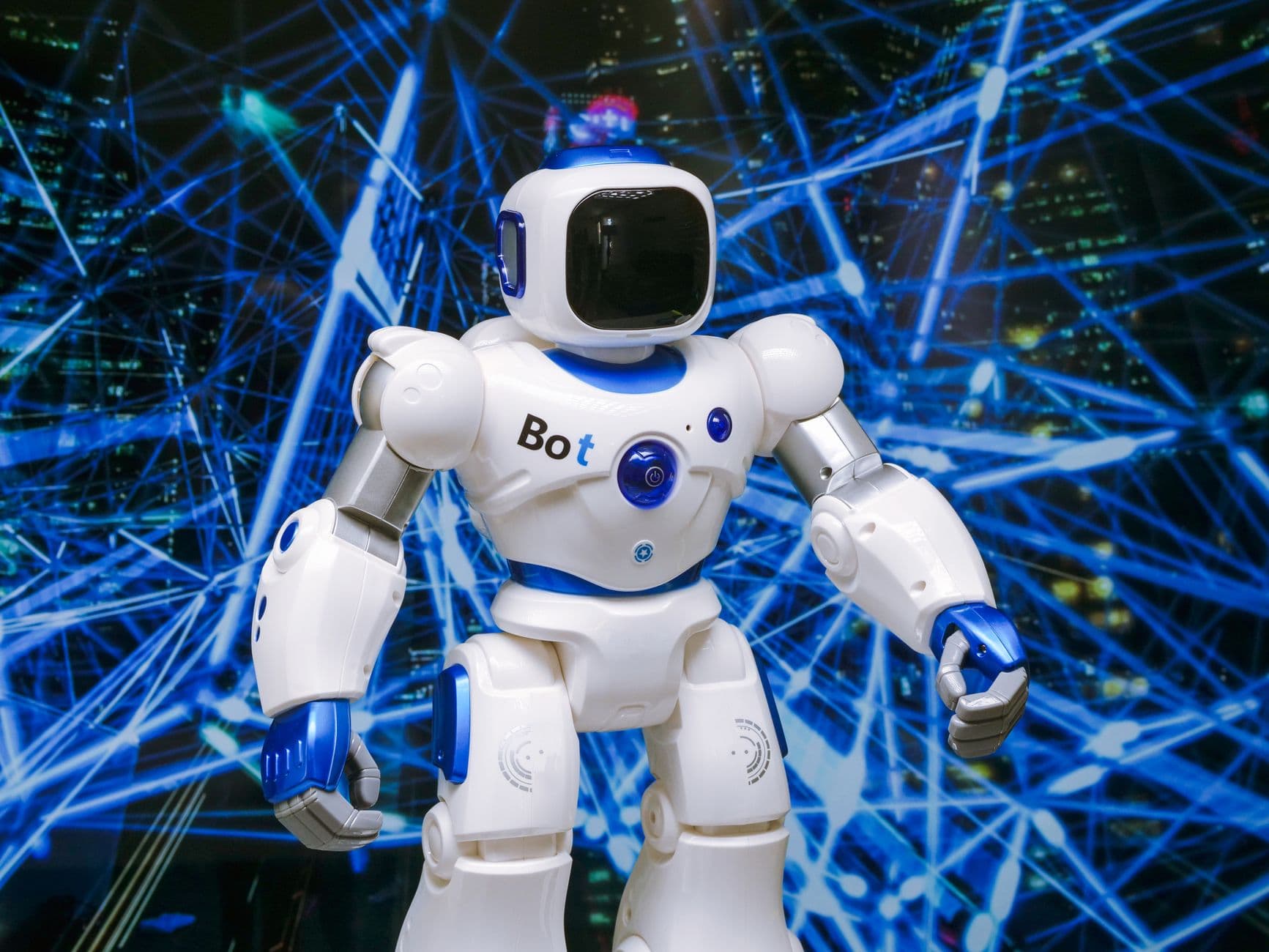
German robotics company Neura Robotics has announced plans to establish a new artificial intelligence training facility for robots. The facility will be developed as a joint venture with RWTH Aachen University of Technology in Germany and will operate as part of Neura's already-operating global network.
Neura Robotics is a company focused on developing so-called "Physical AI"—artificial intelligence that enables robots to move autonomously in real physical space. Applying AI models to actual robot operations requires more than simulation-based data alone; vast amounts of training data collected from real-world environments are essential. This new facility is positioned as precisely such a hub for data collection and learning.
The new facility will be operated in collaboration with RWTH Aachen University of Technology. The university is known as one of Germany's leading engineering institutions and has research achievements in robotics and engineering fields. The collaborative training facility model reflects the aim of linking academic insights with industrial application.
The facility's primary role is to generate and collect training data for robots. Neura Robotics already operates multiple global facilities, and this new facility will function as part of that network. By collecting data in a distributed manner from various locations worldwide, it is expected to contribute to the development of robots that can adapt to diverse environments and situations.
In the Physical AI field, how to collect high-quality and large-scale real-world data has become a critical factor determining model performance. There are numerous expected applications for robots—including factories, logistics, elder care, and construction—but adapting to each environment requires training data specific to those situations. Establishing a dedicated training facility demonstrates a commitment to directly addressing this challenge.
The academic-industry collaborative approach is also noteworthy. Partnership with universities is effective from the perspective of securing long-term research foundations, and continuous technological accumulation beyond merely commercial-oriented operations can be expected. As data strategy in the robotics field becomes increasingly tied to corporate competitiveness, how such training infrastructure facilities expand and which entities secure them will be an important perspective for understanding the future industry landscape.
This article is an original work independently written and edited by the AI issue editorial team based on factual reporting. © AI issue. Unauthorized reproduction, redistribution, or use for AI training is prohibited.