 NewJun 21, 2026 05:20 UTC
ABB Robotics and Psyonic Collaborate on Physical AI Development
ABB Robotics, a leading industrial robot manufacturer, announced a collaboration with Psyonic, a bionic prosthetics maker. The two companies will jointly work on improving robot training systems, aiming to promote the adoption of 'physical AI' that operates autonomously in the real world.
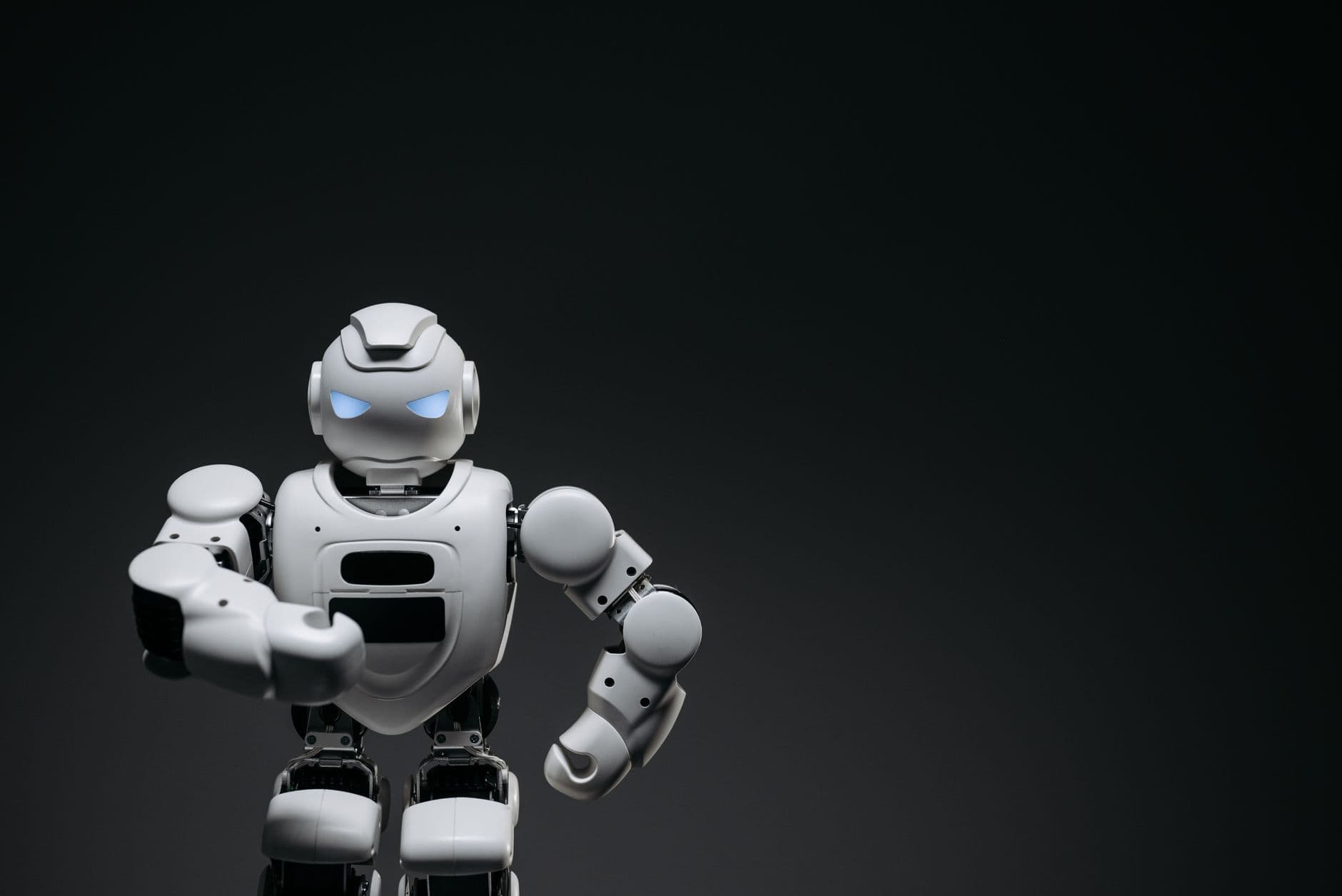
ABB Robotics, a leading industrial robot manufacturer, announced a collaboration with Psyonic, a bionic prosthetics maker. This partnership will focus on improving robot training systems and aims to promote the adoption of 'physical AI,' which refers to artificial intelligence that operates in the real world.
Physical AI refers to technology that enables robots and machines to autonomously make decisions and act in real physical environments, rather than remaining confined to digital spaces. In recent years, demand for such autonomous robots has increased in fields such as manufacturing, logistics, and healthcare, making the advancement of robot training technology a key challenge for the entire industry.
ABB Robotics is a global manufacturer of industrial robots for factories and warehouses, while Psyonic is a company known for developing bionic prosthetics that replicate human hand movements. The collaboration between the two companies is expected to apply the human movement data and sophisticated motion control expertise that Psyonic has developed to robot training systems. Specific technical specifications and product roadmaps have not been disclosed at this time.
The attention surrounding this partnership stems from a common industry challenge: the shortage of robot training data. For artificial intelligence robots to operate safely and accurately in real-world environments, vast amounts of training data and high-precision simulations are essential. The technology developed by Psyonic, which handles precise human movements, can serve as a means to enhance the quality and diversity of such data.
The industrial robot field is accelerating efforts to combine artificial intelligence, enabling machines to autonomously perform more complex tasks. While traditional robots have primarily focused on repeating predetermined motions, the integration of physical AI is driving a transition to next-generation robots that can flexibly adapt to environmental changes. The collaboration between major robot manufacturers like ABB and startups represents a symbolic move in this direction.
Going forward, the focus will be on how the collaboration between the two companies translates into actual improvements in robot training systems and whether it leads to concrete deployment of physical AI products. The fusion of industrial robotics with human ergonomics and bionics is a development that the entire industry will be watching closely.
This article is an original work independently written and edited by the AI issue editorial team based on factual reporting. © AI issue. Unauthorized reproduction, redistribution, or use for AI training is prohibited.