 GoogleSep 22, 2026 03:22 UTC
Google Officially Releases ADK 1.0 for Kotlin
Google has officially released version 1.0 of the Kotlin edition of its AI agent development framework, Agent Development Kit (ADK). With this release, the Kotlin version has achieved feature parity with the Python and Java versions, and now supports both on-device AI and hybrid AI for Android.
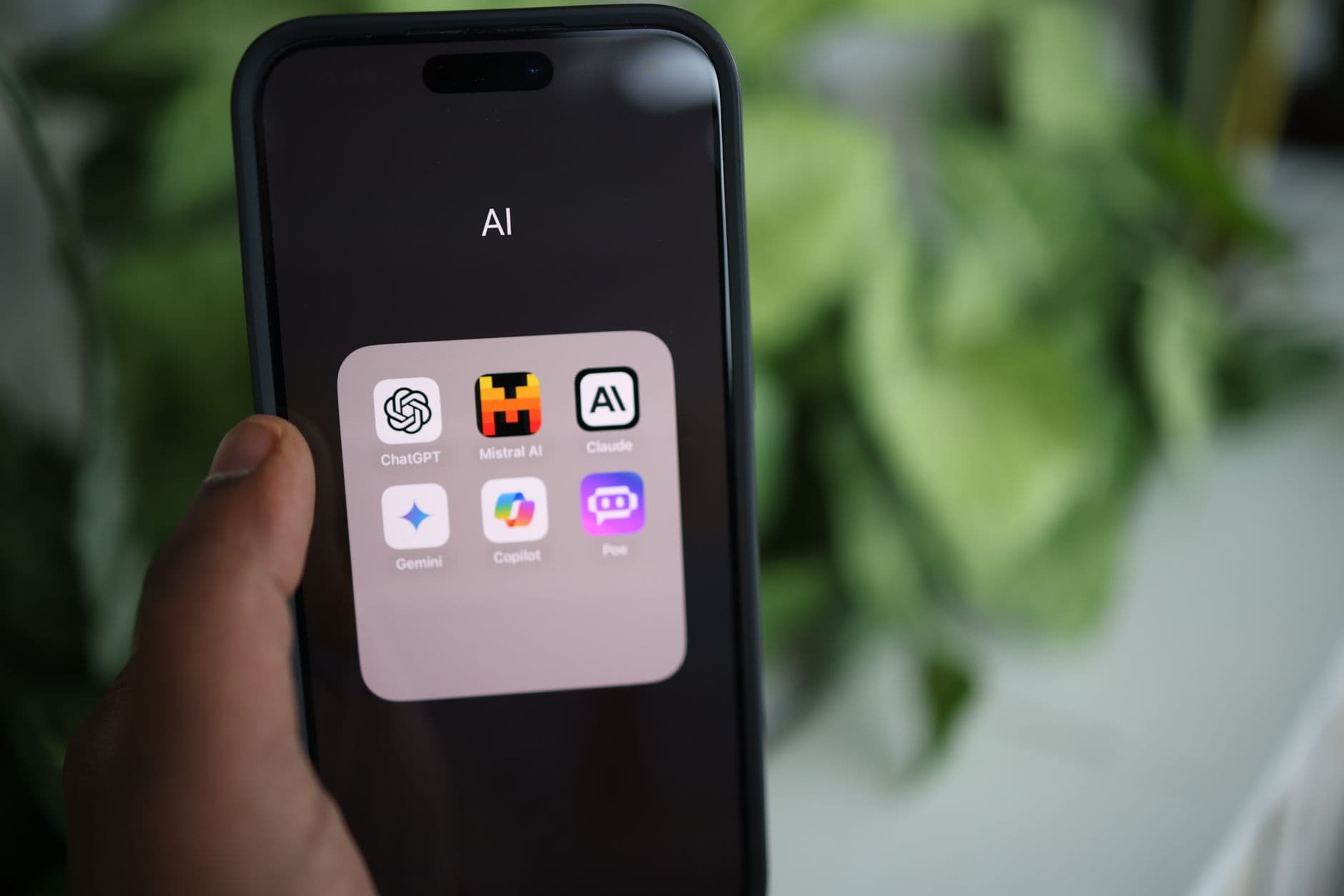
Google has officially released version 1.0 of Agent Development Kit (ADK) for Kotlin, a framework for developing AI agents—autonomous AI programs that make decisions and take actions. With this release, Kotlin ADK is now in a production-ready state suitable for use in production environments.
ADK was originally a toolkit provided for Python and Java, consolidating mechanisms to help developers efficiently build and manage AI agents. With the release of Kotlin version 1.0, it has been confirmed that the Kotlin ADK has reached feature parity—Google's own term for this—with the capabilities of the Python and Java versions.
The Kotlin version of ADK supports Kotlin and Android development, as well as JVM and server-side applications. Additionally, as an Android-specific feature, it now supports both on-device AI—running AI directly on the device—and hybrid AI, which combines cloud and device processing. This enables flexible configurations where AI processing can be completed entirely on the device, such as on smartphones, or combined with cloud services as circumstances require.
Kotlin is widely used as a primary language for Android in mobile application development, and its adoption has grown because it maintains high compatibility with Java while enabling more concise and safer code. Google's decision to provide official ADK support for Kotlin can be seen as an effort to create an environment where mobile application developers can more easily adopt AI agents.
In AI agent development, cloud-only processing models have long been the mainstream approach, but in recent years there has been growing interest in on-device processing, where AI runs directly on the device. Because processing is completed on the device itself, applications can function in environments with unstable connectivity, and there are also privacy advantages. The fact that this Kotlin version of ADK now supports both on-device and hybrid approaches reflects this emerging trend.
With this release, Google's ADK is now production-ready in three languages: Python, Java, and Kotlin. This further solidifies the environment enabling engineers across different development domains—web, server, and mobile—to build AI agents within a common framework. Going forward, the extent to which ecosystems for each language and integration with third-party libraries expand will be key factors determining actual adoption rates.
This article is an original work independently written and edited by the AI issue editorial team based on factual reporting. © AI issue. Unauthorized reproduction, redistribution, or use for AI training is prohibited.