 OpenAIJul 23, 2026 23:23 UTC
OpenAI Adds Voice-Controlled Coding Features
OpenAI has integrated its voice AI model 'GPT-Live' into ChatGPT desktop applications for macOS and Windows, enabling voice-only control of the coding support services 'Codex' and 'ChatGPT Work.' GPT-Live supports full-duplex communication, allowing software engineers to issue commands for multiple development tasks simultaneously without using a keyboard.
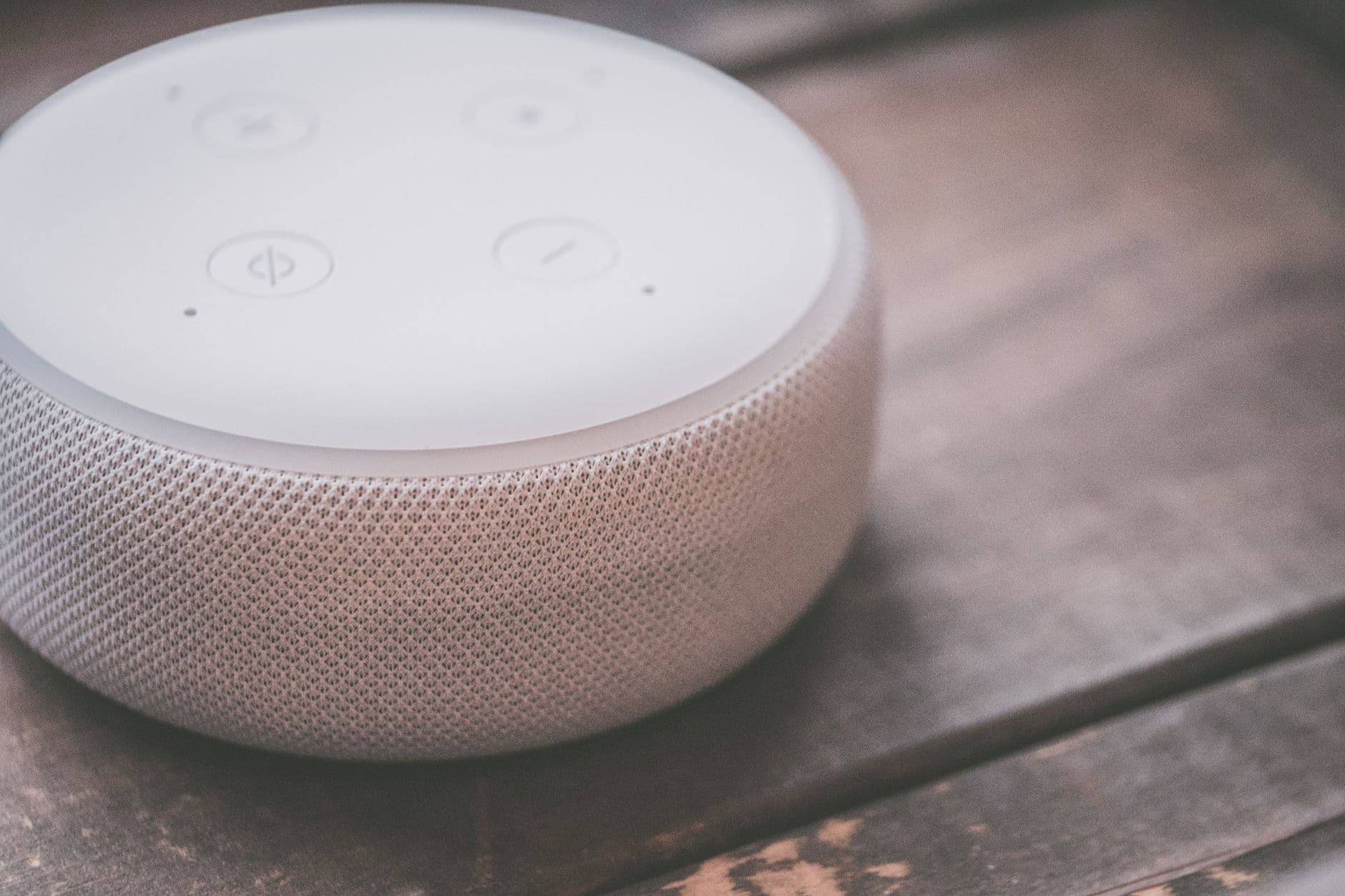
OpenAI has integrated its voice AI model 'GPT-Live' into the coding environment of its desktop application. On ChatGPT desktop applications for macOS and Windows, the agent-type services 'Codex' and 'ChatGPT Work,' which handle code generation and management, can now be controlled by voice alone. This enables software engineers to issue commands for multiple tasks simultaneously without using a keyboard.
GPT-Live is a new voice model released on July 8, 2026. While conventional voice AI has primarily relied on turn-taking communication—where humans speak first and then AI responds—GPT-Live supports full-duplex communication, where the model listens while the user speaks. In other words, the conversation continues naturally even when the user interjects. Integration into the coding environment has been achieved just two weeks after its release.
Technically, GPT-Live handles conversational interactions while delegating heavy processing to a separate model running in the background. It maintains natural conversation flow by inserting brief responses such as 'I understand,' while complex code generation and modifications are executed asynchronously in the background. On macOS, a screen recognition feature called 'Appshots' is also integrated, allowing ChatGPT's voice functionality to read the structure of currently open windows, local files, and code.
In practical applications, engineers can now use voice commands to simultaneously initiate multiple task threads, review pull requests (code change proposals), and fix bugs—all without touching the keyboard. In a demo video released by OpenAI, Codex engineers Jason Liu and Guinness Chen are shown issuing separate commands to the same desktop application session from the same room. According to the company, this is the first time voice activation has been integrated into Codex.
The significance of this development reflects how software development using AI has fundamentally shifted in recent years. There is an industry-wide transition from traditional code completion tools to 'agent-type' development, where AI autonomously executes tasks based on user instructions. The addition of voice control enables a 'hands-free development' style where developers can maintain focus on their screens and accomplish tasks without hand gestures—a potentially transformative workflow.
Combined weekly active users for Codex and ChatGPT Work exceed 10 million, according to the company. Voice control as a new input modality has the potential to reduce cognitive load when developers manage multiple concurrent tasks. However, significant considerations remain regarding voice recognition accuracy, privacy concerns, and usability in environments where others are present, such as offices. Future developments will likely focus on how these challenges are addressed, which will be key to broader adoption.
This article is an original work independently written and edited by the AI issue editorial team based on factual reporting. © AI issue. Unauthorized reproduction, redistribution, or use for AI training is prohibited.