 SiemensOct 24, 2026 01:25 UTC
Siemens and NVIDIA to Jointly Develop AI-Powered Manufacturing Facilities
Siemens and NVIDIA have announced a joint roadmap to realize the world's first AI-driven manufacturing facility by leveraging digital twins and AI agents. The initiative aims primarily to streamline engineering processes, with the goal of building a system that connects design through production management using AI.
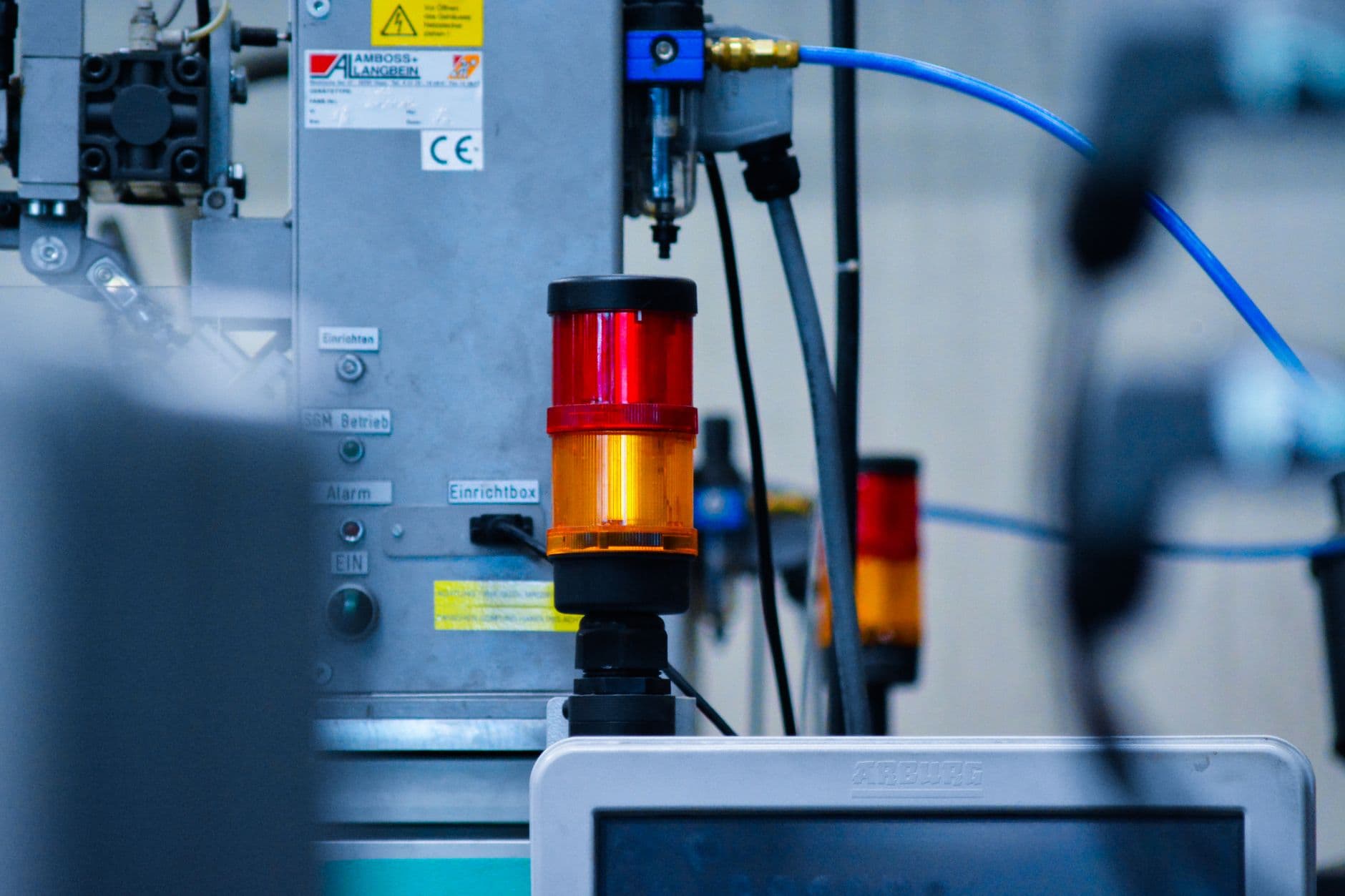
Siemens and NVIDIA have announced a joint roadmap combining digital twins and AI agents to realize manufacturing facilities that leverage AI. Both companies have set the goal of significantly reducing the time and labor required for engineering processes, positioning this as the "world's first AI-driven manufacturing facility."
A digital twin is a technology that virtually reproduces an actual factory or equipment on a computer. By using this technology, problems can be detected through simulation before physically operating equipment, thereby reducing the costs and time required for design and testing. On the other hand, AI agents are software that autonomously performs multiple tasks while following human instructions, and this technology is expected to be utilized in design automation and process optimization.
This is not the first partnership between the two companies; there is a history of coordination between Siemens' industrial software and NVIDIA's GPU and AI platform. This initiative is an extension of that relationship, representing an effort to realize AI integration into manufacturing operations at a deeper level. Specifically, the goal is to build a system where AI connects product design through production line management.
In recent years, the manufacturing industry has been accelerating automation and digitalization efforts as responses to labor shortages and rising production costs. Against this backdrop, the approach of embedding AI into engineering processes themselves can be positioned as a movement distinct from simple machine automation. The distinctive feature is the attempt to leverage AI in areas such as design and decision-making that have traditionally relied on human expertise.
Siemens is a major player in industrial software and automation equipment, well known for factory control systems and design tools. NVIDIA, on the other hand, is known for GPU (graphics processing semiconductor) development, and has recently become a major supplier of AI computing infrastructure, expanding its applications across diverse fields including manufacturing, logistics, and healthcare. The collaborative framework between these two companies toward "AI-native" manufacturing facilities has the potential to accelerate the adoption of industrial AI.
The key point to watch going forward is how far this roadmap will be concretized. It remains unclear at this stage what form the "world's first" facility will actually take when it becomes operational, or to what degree the reduction effects in engineering processes will be verified. As the two companies' efforts move from the demonstration phase to the implementation phase, how they will change the standards for AI utilization across the entire manufacturing industry will be a critical point of interest for the sector.
This article is an original work independently written and edited by the AI issue editorial team based on factual reporting. © AI issue. Unauthorized reproduction, redistribution, or use for AI training is prohibited.