 NVIDIAAug 29, 2026 15:18 UTC
Nvidia Announces New Edge AI Chip 'Jetson Orin Nano 2'
Nvidia announced 'Jetson Orin Nano 2,' a new product in its 'Jetson' series of artificial intelligence platforms for edge devices. The company has positioned this new chip as part of its strategic initiative to expand physical AI (artificial intelligence systems that operate in real-world environments, such as robots and autonomous machines).
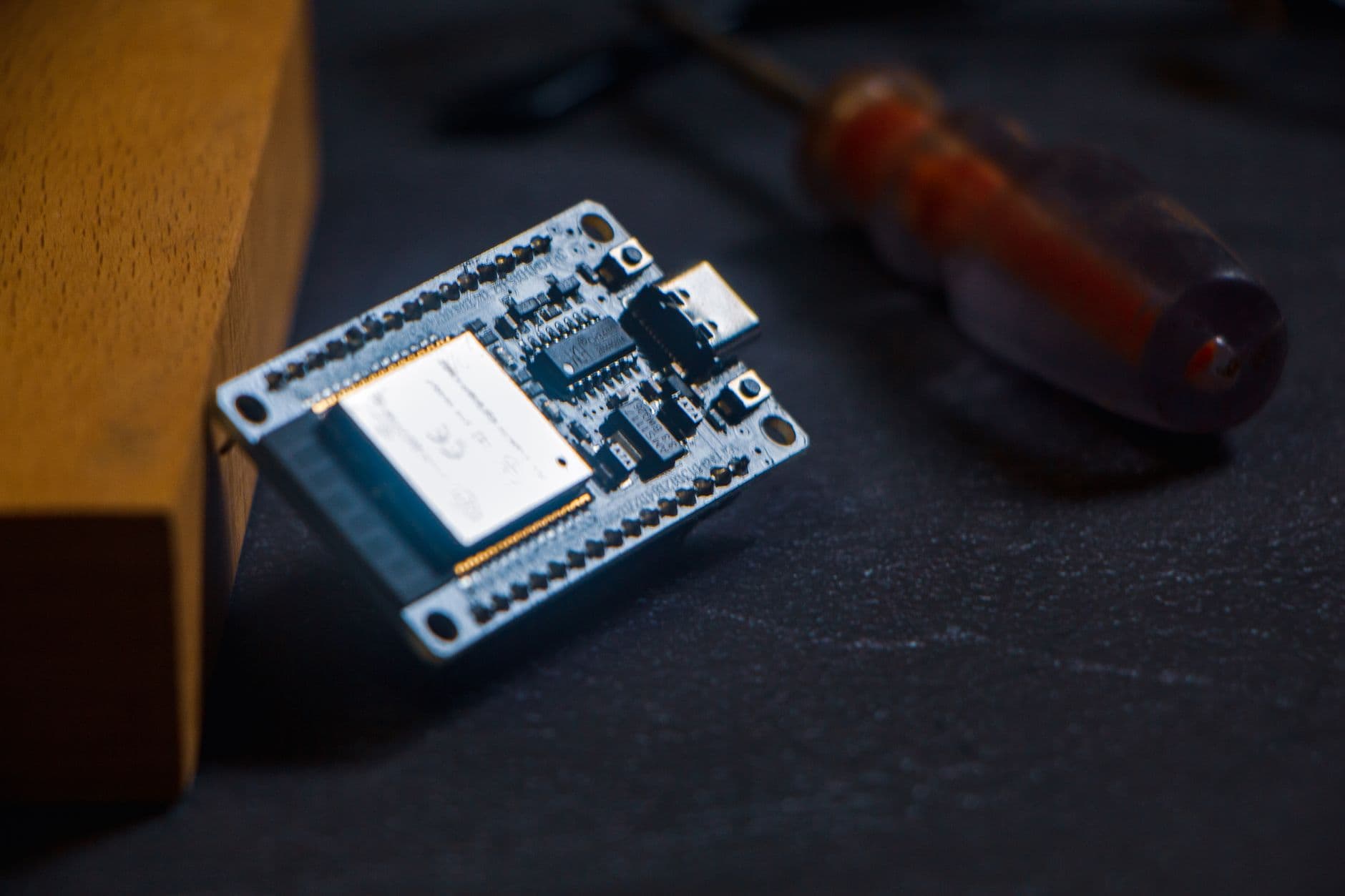
Nvidia announced 'Jetson Orin Nano 2,' a new product in its 'Jetson' series of artificial intelligence platforms for edge devices (equipment at operational sites rather than data centers). The company has positioned this product as part of its efforts to expand physical AI (artificial intelligence systems that operate in real-world environments, such as robots and autonomous machines).
Physical AI is a collective term for artificial intelligence technologies that process data from cameras and sensors in real time and translate it into physical actions, such as robotic arms or autonomous vehicles. These systems must make decisions immediately within the device itself rather than relying on the cloud, leading to increased demand for small, low-power chips that operate in the field. Nvidia views this domain as a growth market following data center processors, and the Jetson platform is considered a core product line in this space.
The Jetson Orin Nano 2 is positioned as an update to the existing lineup in this series. Nvidia is actively promoting the adoption of physical AI, and this new product can be seen as an extension of that strategy. At present, specific specifications, pricing, and detailed availability information for this product require further confirmation.
Behind Nvidia's strengthening of edge platforms lies a major shift in where artificial intelligence is being utilized. Historically, artificial intelligence processing has primarily occurred in the cloud or data centers, but as demand for real-time processing expands across various industries—including manufacturing, logistics, agriculture, and healthcare—the importance of 'edge AI,' which runs artificial intelligence directly on devices installed in the field, is growing. Because processing occurs without sending data to the cloud, it offers the characteristics of reducing communication latency while making it easier to protect privacy.
For Nvidia, the edge artificial intelligence market represents a domain that covers different customer segments and use cases compared to data center semiconductors. Industrial robot manufacturers and autonomous machine makers are the primary targets for the Jetson platform, and the introduction of new products is expected to expand the options available to these partner companies. The pace at which physical AI adoption advances will be one of the key factors influencing the trajectory of Nvidia's entire edge business.
Key points to watch going forward include what performance and price range the Jetson Orin Nano 2 will actually offer and how it will integrate with the existing Jetson ecosystem. The edge artificial intelligence market includes participation from multiple semiconductor manufacturers beyond Nvidia, and competition continues. Whether Nvidia can strengthen its presence in both physical AI and edge chips will likely become clearer as detailed product information is announced.
This article is an original work independently written and edited by the AI issue editorial team based on factual reporting. © AI issue. Unauthorized reproduction, redistribution, or use for AI training is prohibited.