 SpacexJul 2, 2026 01:27 UTC
SpaceX Unveils AI Smartphone Prototype Equipped with xAI Technology to Investors
SpaceX has unveiled a prototype AI smartphone equipped with xAI technology to investors. The device features a thinner design than the iPhone, runs on a Qualcomm-made Snapdragon chip, and operates on a proprietary operating system. Elon Musk aims to realize his vision of an 'everything app' modeled after WeChat, with this device positioned as part of that strategy.
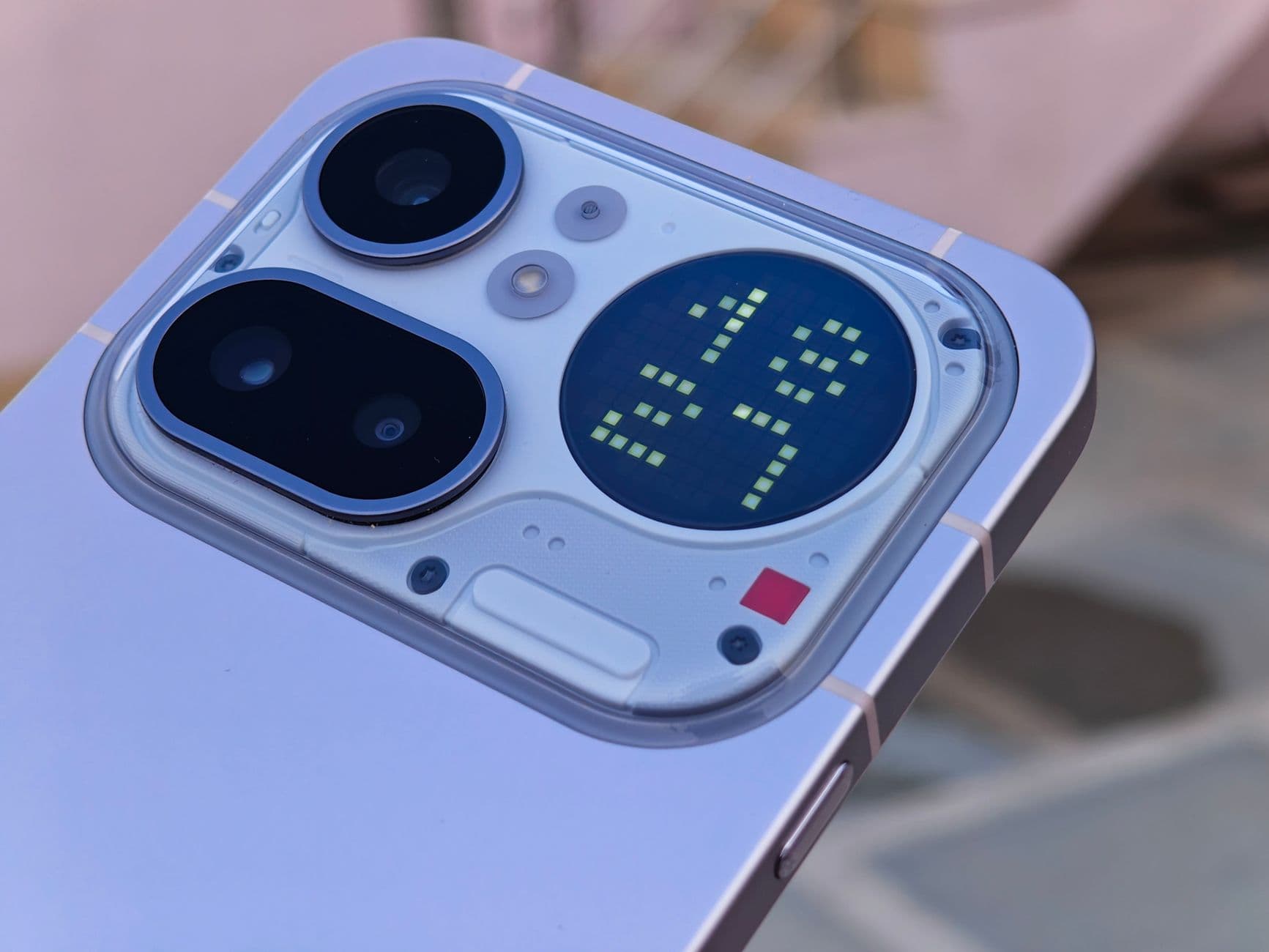
SpaceX has unveiled a prototype AI smartphone equipped with xAI technology to investors. The device is designed to be thinner than the iPhone, features a Qualcomm-made Snapdragon chip, and runs on a proprietary operating system (OS). At present, the product remains in the prototype stage, with no official announcement regarding the release timeline for general consumers.
This move is aligned with Elon Musk's vision of an 'everything app' concept. Musk has long stated his intention to build an integrated platform modeled after WeChat, China's messaging application. WeChat is characterized by its ability to complete not only message exchanges but also payments, shopping, and various services within a single app. Musk appears to be attempting to realize such an experience in the English-speaking world as well.
The prototype unveiled this time incorporates technology from xAI, the artificial intelligence company led by Musk. xAI develops and provides the AI chatbot Grok, and its technology is expected to be deeply integrated into the smartphone's OS and features. The adoption of the Snapdragon chip represents the selection of a mainstream smartphone architecture, and the device's performance foundation can be said to be secured.
In the background, the trend of embedding artificial intelligence directly into devices—known as 'edge AI'—is accelerating throughout the industry. While major companies like Apple and Google are strengthening their efforts to integrate their own models into smartphones, SpaceX and xAI's collaborative entry into this market has the potential to introduce a new dimension to this competition. However, SpaceX is fundamentally a company whose primary business is rockets and space exploration, and its full-scale entry into the consumer hardware market remains largely dependent on future developments.
What deserves attention is the possibility that this device will be positioned not merely as a smartphone product, but as part of a broader platform strategy integrating xAI's artificial intelligence technology, Musk's SNS platform X (formerly Twitter), and payment and service functionalities. If the WeChat-style integrated app concept is realized, a vertically integrated ecosystem spanning from the device to service infrastructure would be established. This structure can be interpreted as aiming for a business model similar to what Apple has built with the iPhone and App Store.
Currently, the project remains at the prototype stage with no official announcements regarding product development, mass production, or sales strategy. Given that the disclosure is limited to investors, it remains unclear how—or whether—this device will enter the market. Going forward, official product specifications or announcements and signs of market entry from xAI or SpaceX will serve as critical indicators to gauge the viability of this ecosystem strategy.
This article is an original work independently written and edited by the AI issue editorial team based on factual reporting. © AI issue. Unauthorized reproduction, redistribution, or use for AI training is prohibited.