Generalist AI Releases Model That Teaches Robots New Tasks From a Single Demonstration
Generalist AI, a robotics startup, has announced a new AI model called "GEN-1.5." This model enables robots to learn new tasks by observing a human perform a task just once. It promises to eliminate the need for massive data collection and is garnering attention as a technology that could facilitate real-world robot deployment.
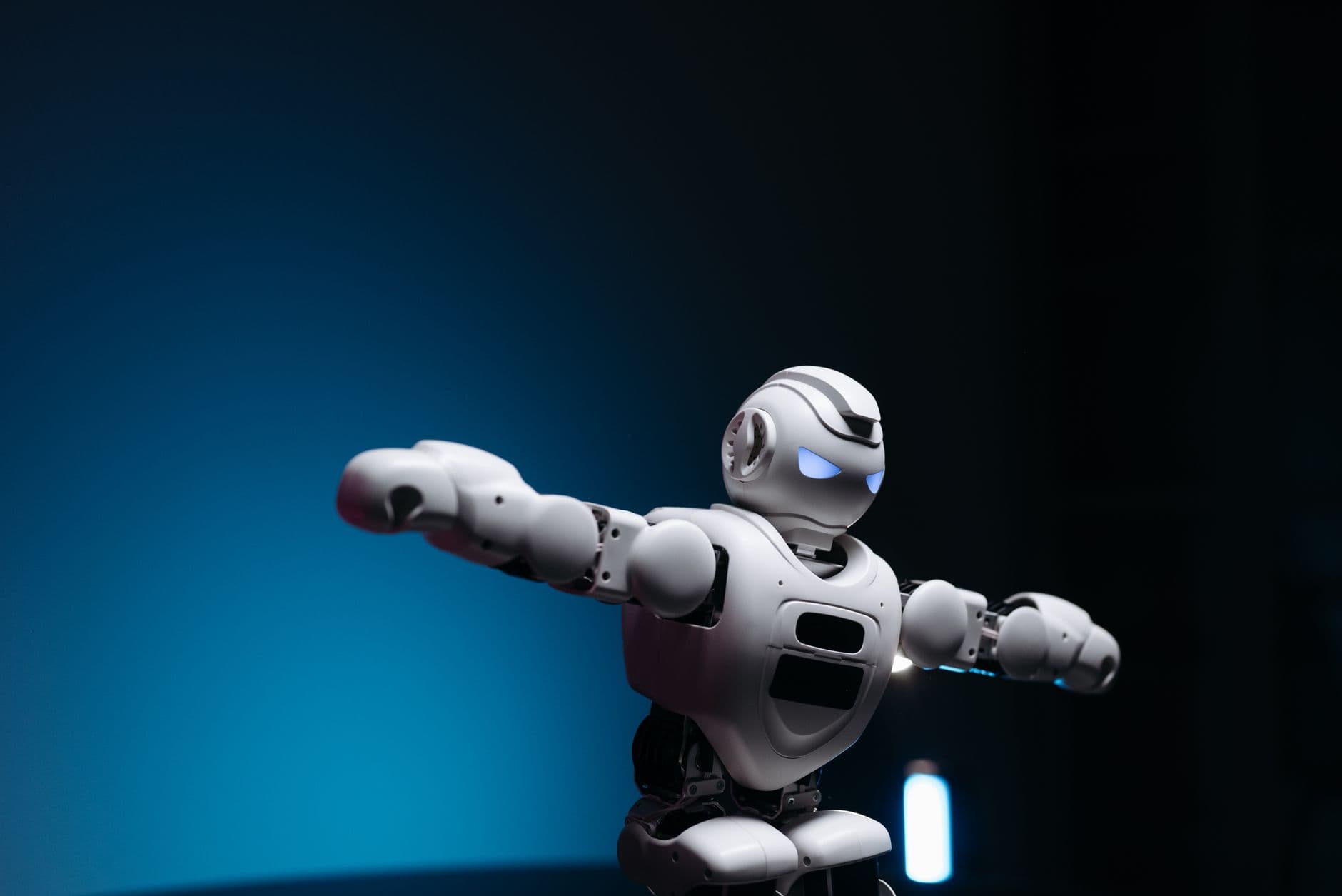
Generalist AI, a robotics startup, has announced a new AI model called "GEN-1.5." The defining characteristic of this model is that robots can acquire new skills by observing a human demonstrate a task just once. Traditionally, teaching robots new movements has required massive data collection and repetitive training, but GEN-1.5 takes an approach that significantly streamlines this process.
Teaching robots to perform new actions is one of the long-standing challenges in the field of artificial intelligence and robotics. In many systems, learning to perform a specific task requires hundreds or thousands of trial data points. This "data barrier" has been a key obstacle to practical deployment in real-world settings. One-shot learning—an approach that enables learning from a single demonstration—is attracting growing attention from both the research and industry communities as a technology with the potential to overcome this barrier.
GEN-1.5 is a model developed by Generalist AI, which, as its name suggests, positions itself as a "generalist AI" without specializing in specific applications and aiming for broad task adaptation. The essence of today's announcement is the realization of a mechanism through which robots can acquire new skills based on minimal input—a single demonstration. However, detailed information regarding the types of tasks it can handle and its accuracy levels remains limited at this time.
The significance of this development becomes apparent when considered from the perspective of robot "ease of use." Until now, the cost of robot deployment has been substantially influenced not only by the price of the hardware itself but also by the time and expense required to collect and prepare training data. If robots could learn new tasks from a single demonstration, the possibility of flexible robot utilization across diverse fields such as manufacturing, logistics, and care work would expand considerably.
On the other hand, one-shot learning presents high technical challenges, and how stably it performs in real-world environments will require future validation. Robot AI is currently a highly competitive field, with major tech companies and startups entering the market in succession. The extent to which Generalist AI's GEN-1.5 establishes a track record in this competitive landscape will be a key point of interest moving forward.
This article is an original work independently written and edited by the AI issue editorial team based on factual reporting. © AI issue. Unauthorized reproduction, redistribution, or use for AI training is prohibited.