 BytedanceJul 5, 2026 15:23 UTC
Hollywood Demands Sora Regulation While Secretly Using It Internally
Regarding ByteDance's AI video generation tool "Sora," while the Motion Picture Association (MPA) has issued the first-ever cease-and-desist demand to an AI company, producer Joel Kuhara of "The Simpsons" reveals that studio floors continue using Sora under an implicit "don't ask, don't tell" policy. The contradiction between the industry's official call for regulation and internal usage has come to light.
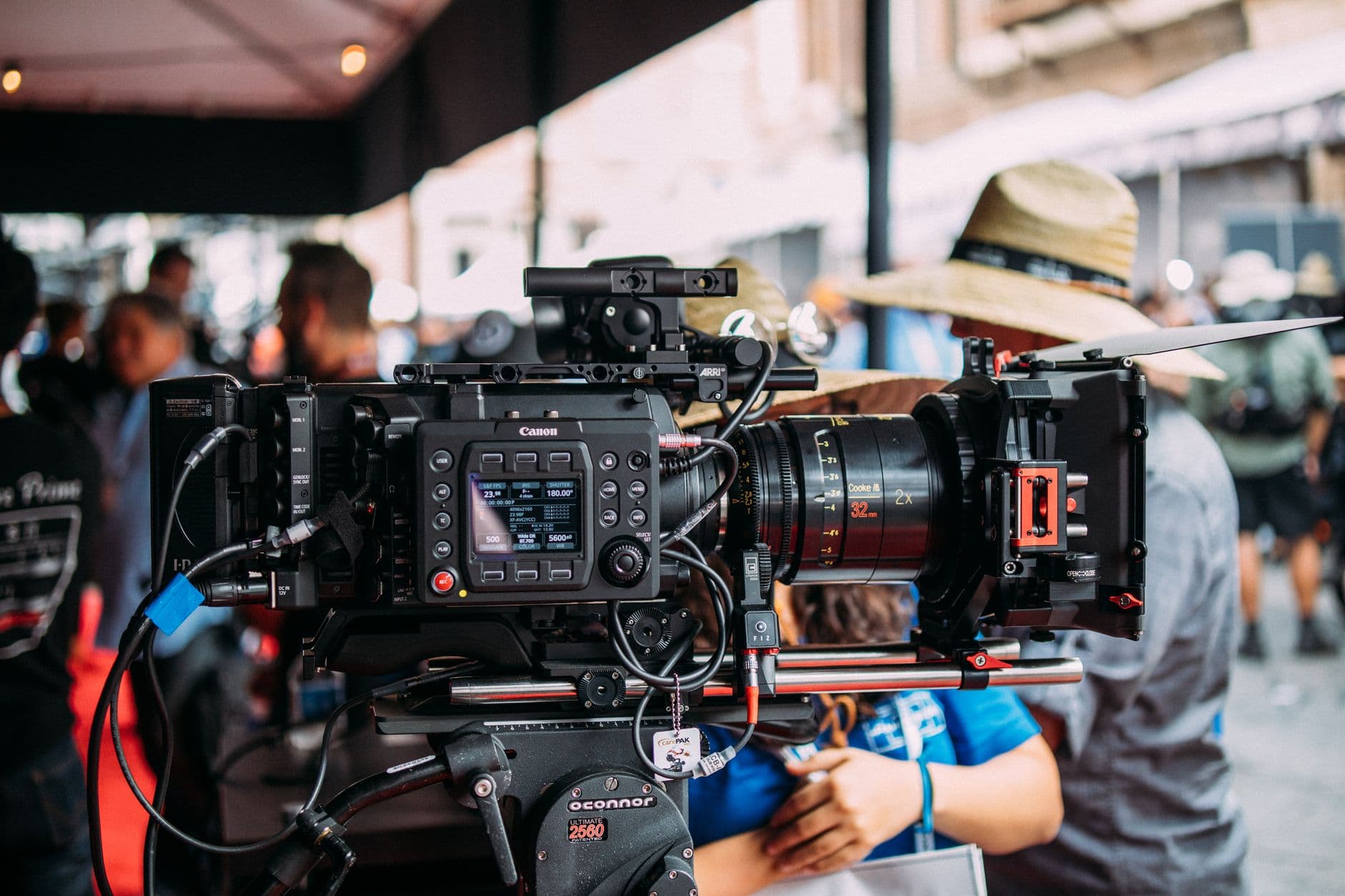
It has come to light that the Hollywood film industry is taking contradictory positions regarding ByteDance's AI video generation tool "Sora." While industry organizations officially demand a ban on its use, studios continue to utilize it behind the scenes.
The catalyst was the viral spread of AI-generated footage mimicking Brad Pitt and Tom Cruise online. Sparked by this video, the Motion Picture Association (MPA), an industry body for the film and television sectors, issued its first cease-and-desist letter to an AI company, targeting ByteDance. This marks the first time the MPA has issued such a legal warning to an AI company.
Meanwhile, Joel Kuhara, a producer of the animated series "The Simpsons," testified about the reality on studio floors. According to Kuhara, there is an implicit "don't ask, don't tell" understanding under which Sora continues to be quietly used on set. A stark gap between official stance and on-the-ground reality has emerged.
This situation exemplifies the complex position of the film industry regarding AI-generated content. While there are calls to regulate AI tools due to concerns about intellectual property infringement, practical benefits such as cost reduction and improved work efficiency are pulling the industry floor toward adoption. This presents a paradox where those calling for regulation and those using the technology coexist within the same industry or even the same organization.
From the perspective of protecting actors' and creators' likeness rights and intellectual property, AI's automatic generation of footage resembling real people poses serious concerns. The U.S. has seen actors and screenwriters previously strike against AI use, and industry-wide consensus is still being formed. The MPA's warning marks the first instance where the industry has turned to legal measures in this context, potentially setting a precedent for the future.
What is noteworthy is how divergent official positions and actual operations have become. If industry bodies advocate for regulation while member studios continue using these tools internally, it could undermine credibility in future negotiations and regulatory discussions. The trajectory of how Sora is handled may serve as a litmus test for the broader question of how AI-generated imagery and the existing film industry will reach an accommodation.
This article is an original work independently written and edited by the AI issue editorial team based on factual reporting. © AI issue. Unauthorized reproduction, redistribution, or use for AI training is prohibited.