 NVIDIAAug 29, 2026 01:19 UTC
NVIDIA Reports Record-Breaking Results Demonstrating Expanded AI Infrastructure Demand
NVIDIA has achieved record-breaking financial results, revealing that demand for AI infrastructure continues to expand. This demand extends beyond GPUs to encompass CPUs, networking equipment, robotics, edge computing, and other diverse sectors, signaling that AI infrastructure competition is entering a new phase.
NVIDIA has reported record-breaking financial results that underscore the strength of AI infrastructure demand. And this demand is expanding beyond GPUs, which have been the primary focus, into a wide range of sectors including CPUs, networking equipment, robotics, and edge computing.
In recent years, GPUs have been the backbone supporting the AI boom. GPUs, which process large volumes of data in parallel, have seen surging demand as essential components for AI model training and inference, and NVIDIA has been one of the companies benefiting most significantly from this trend. However, what the latest results demonstrate is that AI infrastructure competition is entering its next phase. As enterprises and research institutions move to operate AI systems at production scale, they need to establish not just GPUs but the entire surrounding computing and communications infrastructure.
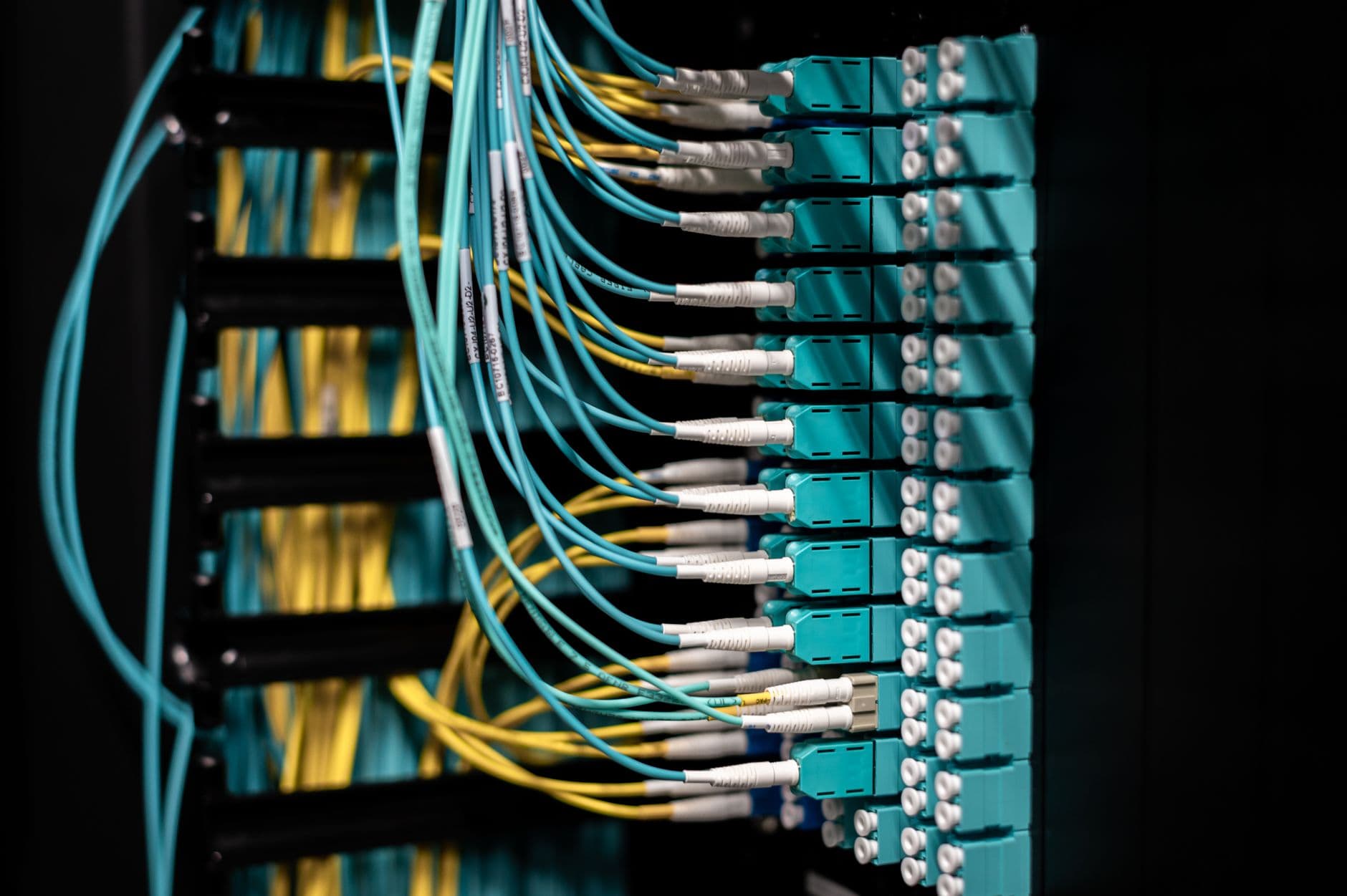
Specifically, as AI processing becomes more diverse, demand for CPUs is rising. Additionally, the importance of networking equipment to efficiently operate large-scale GPU clusters is increasing. Furthermore, investment in AI-enabled products and services is expanding in robotics and edge computing sectors. NVIDIA's financial results can be understood as reflecting this broadening, multifaceted demand.
The implications of this shift are not straightforward. If AI infrastructure investment is transitioning from individual GPUs to "entire systems," the roster of companies benefiting could change significantly. Networking equipment manufacturers, edge computing chip makers, and robotics-related companies could all become beneficiaries of this infrastructure competition.
Meanwhile, the continued expansion of demand demonstrates that corporate and government appetite for AI investment remains strong. As generative AI—AI that automatically generates text, images, and other content—becomes more widely deployed, hardware infrastructure development to support it continues on a global scale, and industry consensus suggests this trend will persist.
The key question going forward is what will be the "next protagonist" in infrastructure investment. If the shift from GPUs to broader infrastructure accelerates, the competitive landscape of the entire AI industry could be redrawn. NVIDIA's financial results can be viewed as a signal indicating such a turning point.
This article is an original work independently written and edited by the AI issue editorial team based on factual reporting. © AI issue. Unauthorized reproduction, redistribution, or use for AI training is prohibited.