 IbmAug 24, 2026 17:21 UTC
IBM Announces New Mainframe Chip Running Arm and Z Instruction Sets on Every Core
IBM announced at the semiconductor conference 'Hot Chips' the world's first dual-architecture mainframe processor capable of executing both Arm and IBM Z instruction sets on all cores. With a design allowing all 11 cores to switch modes at nanosecond intervals, the chip enables legacy mainframe workloads and Arm-native Linux applications to run simultaneously on the same silicon. The processor is set to be integrated into next-generation IBM Z and LinuxONE systems, marking the first hardware achievement of IBM and Arm's strategic partnership announced in April 2025.
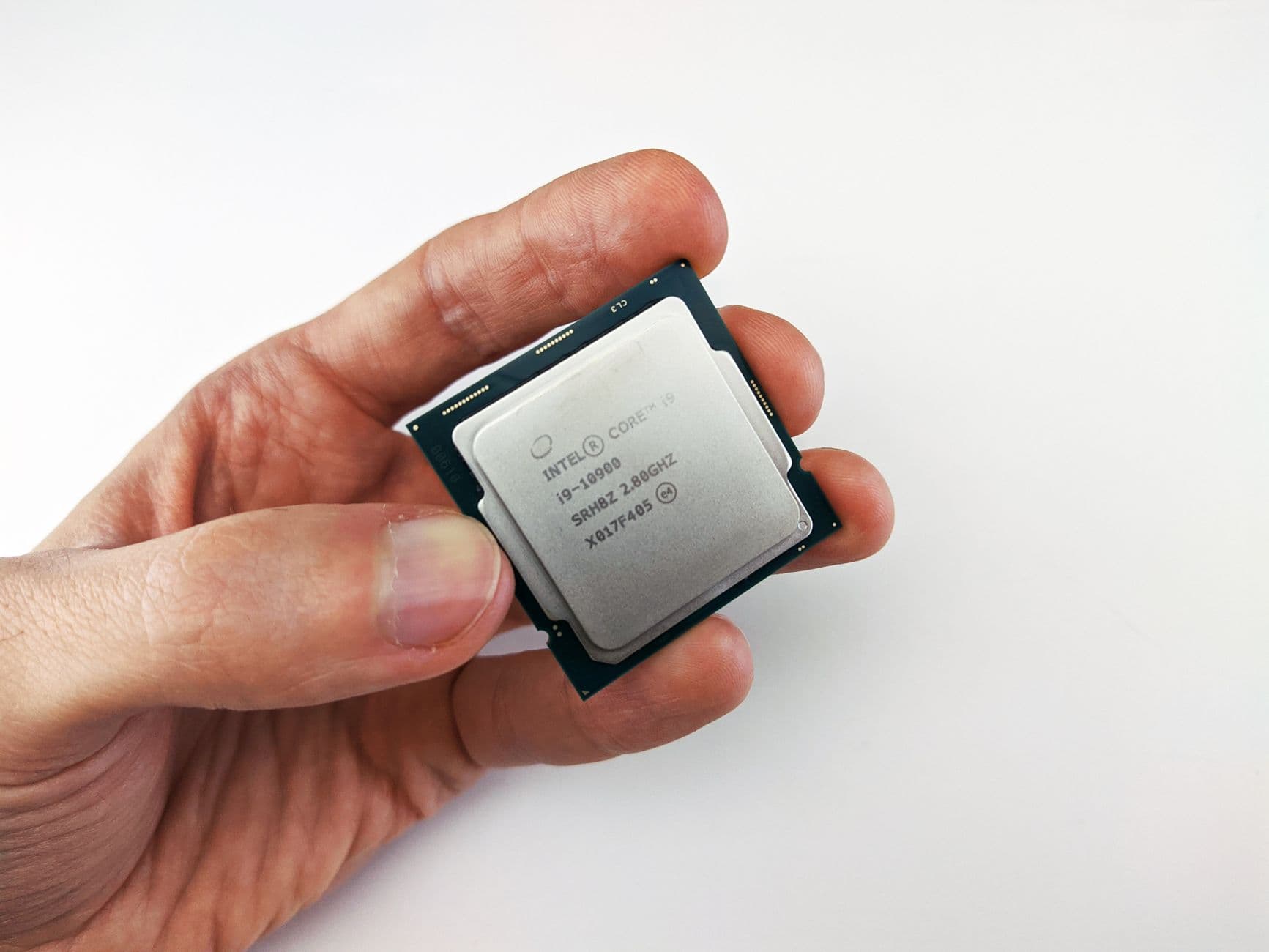
IBM announced a next-generation mainframe processor at the annual semiconductor conference 'Hot Chips'. The chip can execute both IBM's proprietary instruction set (Z), which it has long used, and the Arm instruction set, which is widely deployed from smartphones to cloud servers, on all physical cores. It is the world's first 'dual-architecture mainframe processor' and is set to be integrated into next-generation IBM Z and LinuxONE systems.
Mainframe refers to large, high-reliability computers that banks, insurance companies, government agencies, and similar organizations use to process vast amounts of transaction data. It has long evolved as an 'independent, closed world,' but in recent years, most AI applications have been developed for Arm-based Linux environments, creating a 'software divide' between mainframes and modern computing stacks. Although IBM and Arm announced a strategic partnership in April 2025, this new chip represents the first hardware result of that collaboration.
The new chip's defining characteristic is that all 11 cores can run both 'Z' and 'Arm' software while switching modes at nanosecond intervals. According to Christian Jacobi, an IBM Fellow and CTO of IBM Systems Development, this mode switching is achieved through the open-source virtualization technology 'KVM' (Kernel-based Virtual Machine), and performance degradation from switching is virtually zero. Because the switch occurs while virtual machines operate at millisecond intervals, the overhead remains negligible relative to total processing time.
In concrete operational terms, an Arm64 Linux virtual machine and an IBM Z Linux virtual machine can run side by side on the same chip. Meanwhile, legacy z/OS workloads used in banking account processing and similar critical applications run on a dedicated partition separate from KVM. This enables banking ledger processing, fraud detection models, and Arm-native monitoring tools to operate on the same silicon while sharing memory and resources.
Tina Tarquinio, Chief Product Officer for IBM Z and LinuxONE, stated that this chip will be 'one of the most powerful dual-architecture products available in commercially viable processors'. This remark reflects a deliberate contrast with the 'heterogeneous mixing design' adopted by other chipmakers, which add separate Arm cores. IBM chose a different approach: making all cores capable of both architectures, enabling flexible software placement while maintaining unified hardware management.
This development can be understood as one answer to the question of the mainframe's 'raison d'être'. Modern AI infrastructure is heavily dependent on the Arm-native Linux ecosystem, centered around PyTorch and related frameworks, and mainframes relegated outside this ecosystem harbored concerns about 'falling behind in the AI era'. This chip represents an attempt to address such concerns at the design level. If heavily regulated financial and public sectors can continue using mainframes while running cutting-edge AI software on the same platform, enterprise companies seeking to balance migration costs and reliability will gain expanded options.
This article is an original work independently written and edited by the AI issue editorial team based on factual reporting. © AI issue. Unauthorized reproduction, redistribution, or use for AI training is prohibited.