 Mistral AIOct 20, 2026 17:22 UTC
Mistral AI Releases Voxtral 3 Model for Voice Agents
Mistral AI announced a new model family called "Voxtral 3" for real-time voice agents. The system integrates speech recognition, text-to-speech synthesis, and an agent development kit, supporting more than 50 languages. It is available through the company's own infrastructure or EU-hosted APIs.
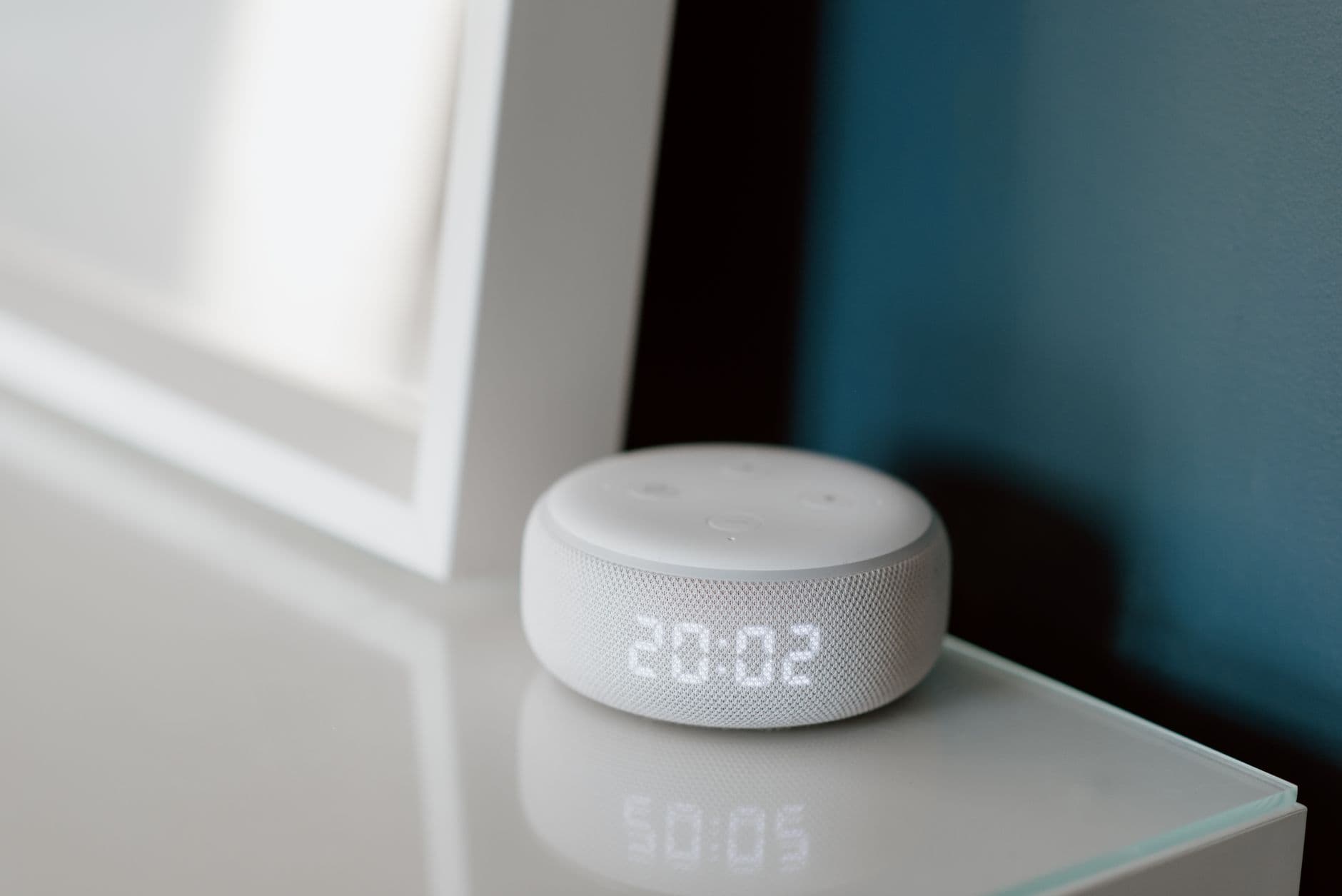
Mistral AI, a French AI startup, has announced a new model family called "Voxtral 3" for real-time voice agents. The system integrates voice recognition, understanding, and response generation, supporting more than 50 languages.
As the accuracy of text-based AI has improved in recent years, the competitive landscape is shifting toward "AI that works with voice." Demand is growing for AI applications in scenarios where people interact by voice, such as customer support and voice assistants, and multiple major AI services are enhancing their voice capabilities. Voxtral 3 can be seen as Mistral AI's distinctive answer to this trend.
Voxtral 3 is provided as a system combining three components: "speech-to-text" (STT) that converts voice to text, "text-to-speech" (TTS) that converts text to voice, and an SDK (software development kit) for building agents. It also includes the ability to call external tools or services during conversations, enabling applications that not only exchange words but also perform information retrieval and processing in parallel.
There are two deployment options available: on-premises deployment on the company's own infrastructure and API-based usage hosted in the EU. The ability to manage data within the EU provides a practical option for enterprises that must comply with European AI regulations and data protection rules (GDPR). The fact that Mistral AI is a European company based in Paris is not unrelated to this design approach.
In building voice agents, when recognition, reasoning, and response processes are handled by separate services, the accumulation of latency and increased management costs can become challenges. By offering these components as a unified stack, Voxtral 3 allows developers to avoid the complexity of integrating multiple systems and achieve highly responsive applications with shorter development cycles.
Support for over 50 languages is noteworthy for enterprises considering global expansion. In an environment where English-centric services dominate, the ability to build multilingual voice agents with a single system could become a differentiation factor. As evaluations accumulate regarding actual accuracy, response speed, and cost effectiveness, the practical value of this offering is expected to become increasingly clear.
The arrival of Voxtral 3 can be viewed as a catalyst for the adoption of voice AI, which remains in a development stage compared to text-based AI. Mistral AI appears intent on expanding the technological foundation developed through text-based models into the voice domain, thereby strengthening its position in the enterprise market.
This article is an original work independently written and edited by the AI issue editorial team based on factual reporting. © AI issue. Unauthorized reproduction, redistribution, or use for AI training is prohibited.