United States to Regulate Chinese-Made Humanoid Robots
The United States is showing signs of implementing import restrictions on Chinese-made humanoid robots. While analysts point out the potential to promote supply chain diversification, they also suggest that given the market's still-developing scale, the impact on the entire industry in the near term will be limited.
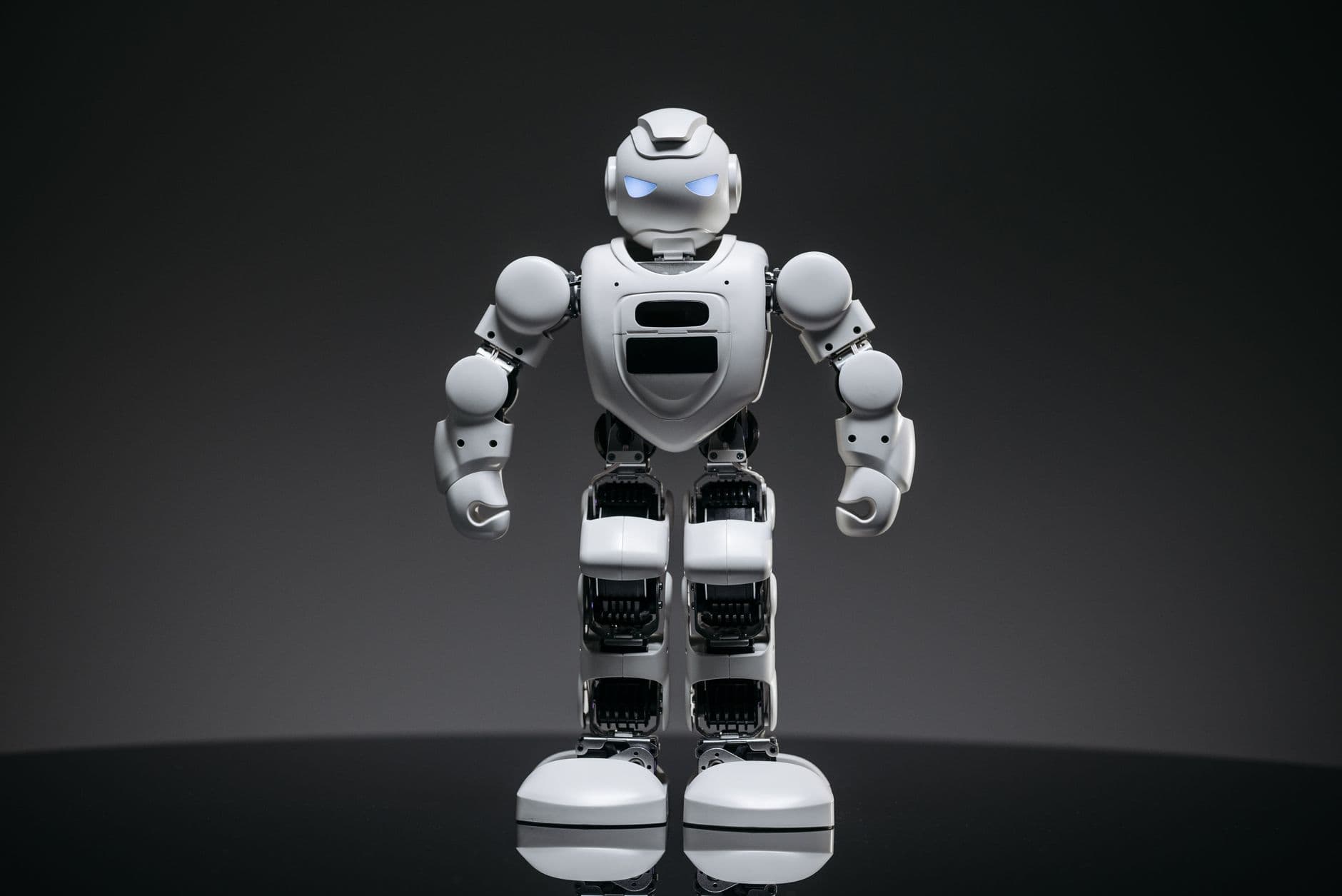
The United States is showing signs of implementing import restrictions on Chinese-made humanoid robots. While this regulation has the potential to accelerate supply chain restructuring, analysts have also expressed the view that the near-term impact will be limited. Given the nature of the still-developing humanoid robot market, it is likely that short-term impact will not be severe enough to significantly shake the entire industry.
Humanoid robots refer to robots that have shapes and movements close to humans and are expected to be applied in a wide range of fields including manufacturing, logistics warehouses, and elderly care. China has been rapidly advancing cost-competitive parts manufacturing and technology development in this field, and was expanding its entry into the U.S. market. Against this backdrop, the U.S. government's move to advance regulatory review can be understood in the context of national security and supply chain stability concerns.
What analysts focus on as a specific impact of the regulation is the acceleration of supply chain diversification. The move to reduce dependence on Chinese parts and finished products will prompt manufacturers to seek alternative suppliers. However, at present, the humanoid robot market size is still limited, and many companies do not have mass production capabilities in place. Therefore, it is the general view of analysts that the full impact of the regulation will emerge at a medium to long-term stage as the market matures.
One reason the short-term impact is expected to be limited is that the market itself is still in an "early stage". While humanoid robots are transitioning from research and pilot operation to commercial deployment, there is still some distance before mass adoption. Because of this, the transaction volume subject to regulation is currently small, and the regulation has limited immediate ripple effects to change the industry's trajectory.
On the other hand, the acceleration of supply chain diversification has the potential to bring structural changes to the industry in the medium to long term. Specifically, increased orders to parts manufacturers in Southeast Asia, Europe, and the United States, or progress in establishing manufacturing bases within the U.S. could be considered. However, such transitions require time and cost, so companies may face situations where they need to revise their product development plans.
This regulatory move can be positioned as part of a larger context of technology and industry competition between the U.S. and China over AI and autonomous robots. Humanoid robots are expected to play an important role in addressing labor shortages and automating manufacturing in the future, and which country will gain technological dominance in this field is becoming a priority in each nation's industrial policy. The actual magnitude of impact on the industry will be determined by how regulatory details and implementation are finalized going forward.
The introduction of regulations at this stage when the market is still developing has the potential to reshape the competitive landscape of the industry early on. Although near-term impact will be limited, the fact that it serves as an impetus for companies to review procurement strategies and development partnerships means it could become a catalyst for long-term industrial structural change. Attention should be paid to the pace of expansion in the humanoid robot market and the direction of regulatory implementation going forward.
This article is an original work independently written and edited by the AI issue editorial team based on factual reporting. © AI issue. Unauthorized reproduction, redistribution, or use for AI training is prohibited.