 DeepseekJun 22, 2026 21:24 UTC
DeepSeek Releases Technical Paper on Low-Cost Large-Scale Model Training
The development team of DeepSeek-V3 has released a 14-page technical paper on the collaborative optimization of hardware and AI model design. CEO Liang Wenfeng also participates as a co-author, exploring approaches to achieving large-scale model training at low cost.
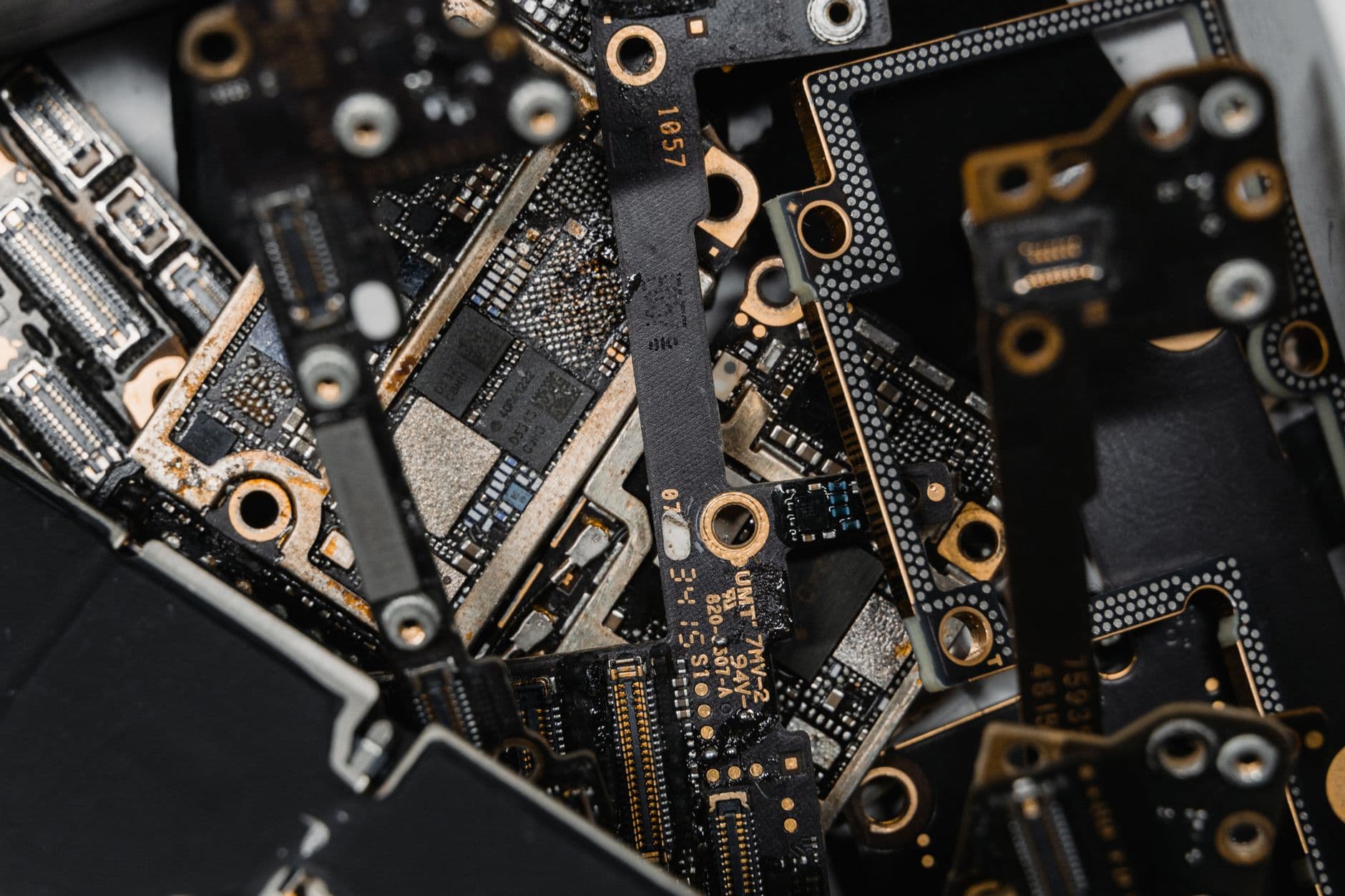
The development team of DeepSeek-V3 has released a new technical paper on collaborative design between hardware and AI model architecture. This 14-page paper includes DeepSeek CEO Liang Wenfeng as a co-author, presenting content that directly addresses the challenge of how to train large-scale models at low cost.
DeepSeek has garnered global attention for developing high-performance models with significantly lower computational costs compared to major AI labs in Europe and the United States from late 2024 to early 2025. In particular, DeepSeek-V3 has attracted attention for its high training efficiency and has been repeatedly referenced in the context of 'cost competition' within the AI industry. This paper can be positioned as an attempt to externally explain the philosophy and technical decisions underlying such development approaches.
The paper is titled 'Scaling Challenges and Reflections on Hardware for AI Architectures,' and centers on the concept of 'hardware-aware co-design'—optimizing model design and training methods while being mindful of hardware characteristics. This approach enables more efficient computation on the same hardware by incorporating constraints of AI chips and memory into the design phase from the outset.
Training large language models (LLMs) requires vast GPU resources, and the cost represents a significant barrier to AI development. As many research institutions and companies seek more efficient training methods, the approach of optimizing hardware and software as an integrated system is increasingly recognized as a promising direction for cost reduction. DeepSeek's publication of insights in this field through a technical paper can be seen as a contribution to the broader technical community.
Having a CEO participate as a co-author is an uncommon format, suggesting that this release represents an intentional and organizational message from DeepSeek. Beyond merely reporting research findings, it can be understood as also conveying the company's development philosophy and technical stance to the industry.
Going forward, the key question is how far the methods presented in the paper can be reproduced and applied. Hardware co-design depends significantly on specific chip environments, and whether other developers can adopt similar approaches depends on available infrastructure. How the detailed content of the paper is received by researchers and developers requires further discussion in the future.
This article is an original work independently written and edited by the AI issue editorial team based on factual reporting. © AI issue. Unauthorized reproduction, redistribution, or use for AI training is prohibited.